What matters when choosing?
Decide where the narrator will stand or move before choosing a connection type: microphone placement affects speech capture, while the recording device determines which outputs you can use.
Close wired microphone
Choose when: The presenter can stay near a microphone on a stand or boom.
Trade-off: Close placement helps limit the effect of room reflections, but the stand and cable need a safe position around the cooking area.
Wearable wireless microphone
Choose when: The presenter needs both hands free while moving between stations.
Trade-off: Attachment, charging and radio interference need attention; onboard backup recording is available only on systems that specify it.
Boom or camera shotgun microphone
Choose when: The microphone must stay out of shot and can remain relatively close and aimed at the narrator.
Trade-off: Directionality does not make a distant microphone able to separate speech from hall reverberation, as Shure’s placement guidance explains.
| Concern |
What to check |
Who this matters to |
| Speech clarity in the hall |
Whether the microphone can stay close to the narrator, and where its directional pattern faces. |
If I speak from one table, I need recipe instructions to remain understandable despite nearby activity and reflections. Around 30% of consumers put close, clear speech capture first. |
| Hands-free movement |
Secure microphone placement while cooking, plus wireless monitoring and backup recording if needed. |
Moving between ingredients and serving means I cannot keep returning to a stand to speak. Roughly 40% of consumers prioritise narration that follows the moving presenter. |
| Device connection and monitoring |
The recorder’s actual input, the microphone’s output and a compatible headphone-monitoring path. |
If I switch between a laptop and event equipment, I need a connection I can use and a way to hear the recorded signal. Around 20% of consumers make compatibility and monitoring their primary concern. |
| Repeatable setup |
What stands and cables are needed, and whether they can be routed safely around the work area. |
When volunteers set up at the same table each time, I want a layout they can reproduce without managing a wireless link. About 10% of consumers put straightforward setup first. |
Joybuy microphones for narration setups
The two FIFINE microphones suit a narrator who can stay close to a worktop microphone and use USB or XLR recording equipment. The REMAX wireless model offers a USB-C receiver to assess for a moving presenter, provided its attachment and recording features meet the event’s needs.
 No image available
FIFINE K688CT USB/XLR dynamic microphone kit with boom arm
Consider this kit if the narrator can remain near a boom-mounted microphone at the worktop.
The product name specifies USB and XLR connections, a headphone jack, mute button and gain knob. For XLR recording, arrange a compatible cable and check that the clamp fits a surface where the arm will not obstruct food preparation.
View on Joybuy
 No image available
FIFINE AM8 USB/XLR dynamic microphone with desktop stand
Consider the desktop-stand arrangement when the presenter can stay at one table and speak close to the microphone.
The product name specifies USB and XLR connections, a headphone jack, mute button and RGB light. Plan for a separate XLR cable if using that connection, and check whether the stand can sit safely away from the cooking area.
View on Joybuy
 No image available
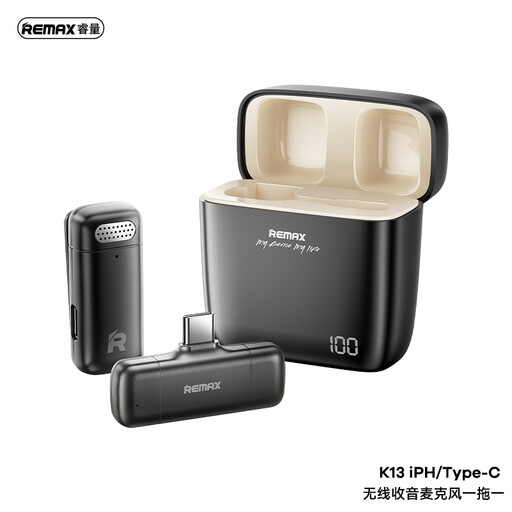
REMAX K13 1-to-1 USB-C wireless microphone, black
Assess this wireless model if a USB-C recording setup could let the presenter move without a cable back to the device.
Confirm that its receiver works with the exact device and recording app, that the microphone can be attached securely for cooking, and whether onboard backup recording is available. Test the wireless connection at the venue before relying on it.
View on Joybuy
Common questions
What microphone should I consider if I narrate from one recipe table?
Start by assessing a cardioid dynamic microphone that you can keep close to your mouth. Shure’s guidance on the SM58 and microphone placement supports checking both its directional pattern and its position; a stable stand must also fit safely beside the preparation area.
Will a shotgun microphone remove echo from a community hall?
No: a shotgun’s directional pickup does not remove reverberation that reaches it with the narration. Shure’s placement guidance makes distance important, so use a shotgun only where it can remain relatively close and aimed at the presenter.
Does a wireless microphone need a licence for a UK event?
Whether a licence is needed depends on the system’s operating frequency and the conditions of use. Check the exact equipment against Ofcom’s current wireless-microphone requirements; Ofcom also warns that ranges shared with other low-power equipment can experience interference.
Can I use the same microphone with a laptop and an event sound system?
You can if the specific microphone provides outputs compatible with both setups. Audio-Technica specifies USB and XLR outputs for the ATR2100x-USB; before buying any model, check the laptop connection, the sound system’s microphone input and any required cable.
What should I test before recording the demonstration?
Record a short passage at the presenter’s normal speaking position while typical hall activity is taking place. Listen on headphones if the setup permits it, then adjust microphone distance, aim or placement before the full recording begins.


