Mobile language tutors
If you move between learners, close microphone placement keeps your instructions and corrections the focus of the recording. A wireless option allows movement, but test its connection in the hall.


Put a microphone close to the person whose speech listeners need to understand: consider a wireless microphone for a tutor who moves, or a wired cardioid microphone for one who teaches from a fixed position. If learner discussion matters too, plan separate coverage near those speakers rather than relying on a recorder across the hall. Check recording-device connections, any power requirements and the setup in the actual room before buying.
If you move between learners, close microphone placement keeps your instructions and corrections the focus of the recording. A wireless option allows movement, but test its connection in the hall.
If learner questions and conversation practice must be audible, plan microphones near the relevant seats or tables as well as coverage for the tutor. One microphone worn by the tutor will not provide the same close pickup for distant learners.
A portable recorder can provide a quick room recording or backup. If speakers are spread across a reverberant hall, its built-in microphones should not be expected to capture each voice as clearly as a microphone placed nearby.
Decide whose speech must be clear, then map where those people will speak. Choose the microphone positions before checking connections, power and recording controls.
| Concern | What to check | Who this matters to |
|---|---|---|
| Clear tutor speech | Can the tutor keep a microphone close while teaching? For a fixed position, consider a correctly aimed cardioid microphone; for movement, check a wearable option. | If I am recording pronunciation and corrections, I need the tutor's voice to remain understandable despite hall reflections. Around 46% of consumers put clear tutor speech first. |
| Learner discussion | Identify the seats or tables that need coverage, then check microphone positions and whether the recorder has enough suitable inputs. | When learners practise speaking, I need their answers on the recording as well as the tutor's. Capturing learner discussion is the primary concern for around 36% of consumers. |
| Portable recording | Check power and recording media for the lesson, available microphone inputs and whether you can listen to a short test. | If I set up and pack away for each class, I need a manageable recording workflow without mistaking a room track for close speech capture. Around 18% of consumers prioritise a portable setup. |
In a reverberant hall, a microphone also captures reflected sound when it is far from the speaker. Shure advises that a microphone cannot separate wanted speech from reverberation simply by changing the microphone.
Prioritise close capture of the tutor. Treat a room recording as an overview or backup unless speakers remain close in a small, quiet space.
If the speech is unusable, recreating a lesson segment or adding close microphones later takes further time and equipment.
A microphone placed close to the tutor is positioned for that voice, not for conversation across the room.
Mark the learner positions that must be audible and plan separate microphones or channels near those discussion areas.
That plan may require additional microphones, inputs, cables or a recorder or mixer.
Ofcom notes that the UK's licence-exempt 2400–2483.5 MHz range is shared with other low-power equipment and can experience interference.
Test the chosen wireless system in the hall and arrange a wired fallback or onboard recording where the equipment and workflow allow it.
The Shure Microflex MX391 and Audio-Technica ES947 are installed-style microphone options; the cited condenser boundary designs require compatible connections and power.
Compare the exact microphone's XLR and phantom-power requirements with the intended recorder or mixer before ordering.
The setup may also need an XLR cable or a suitable powered input.
Its Wireless PRO system is relevant when a moving tutor and a second close-miked speaker need separate transmitters.
Its cited models cover a fixed-position speech microphone and boundary microphones for defined tables or lecterns.
Its portable recorders are relevant when you need a standalone room track or a recorder for external microphones.
Its ES947 is relevant to a planned boundary-microphone position for seated discussion.
These options focus on compact microphones for recording the tutor's speech. Check the connection to your intended device and plan separate microphones if learner discussion must also be clear.
 No image available
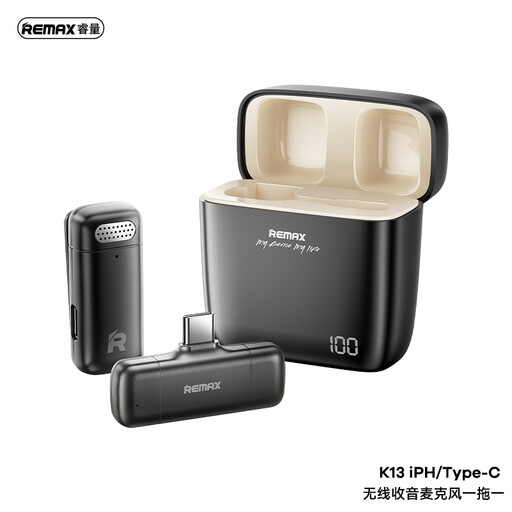
Consider this for a tutor who needs to move while recording to a compatible USB-C device. Confirm that your device accepts its audio connection and that the battery will last through the lesson; check your backup-recording plan separately.
 No image available
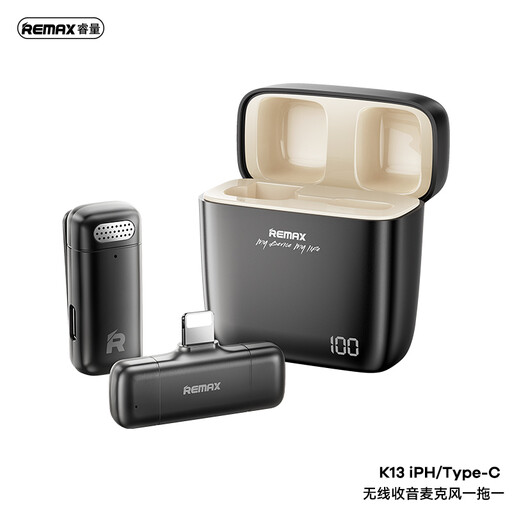
Consider this Lightning version for tutor-focused recording if your intended device accepts its receiver. Check device compatibility, lesson-length battery runtime and how you will retain a backup if one is needed.
 No image available
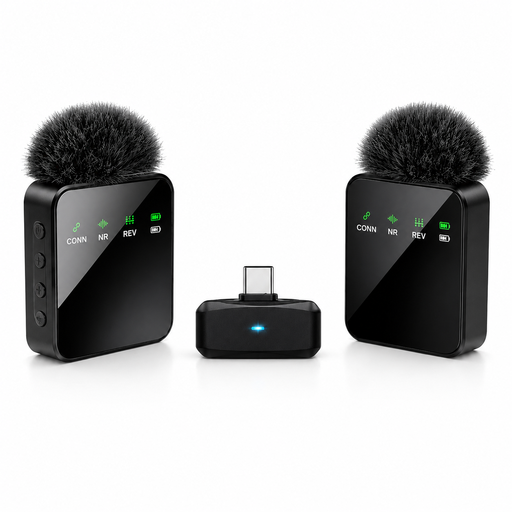
Consider the lapel-style format for close tutor speech, subject to compatibility with your recording device. Confirm the actual connection method before relying on it for movement, and check whether the two microphones can be recorded separately if that matters for your lesson.
 No image available
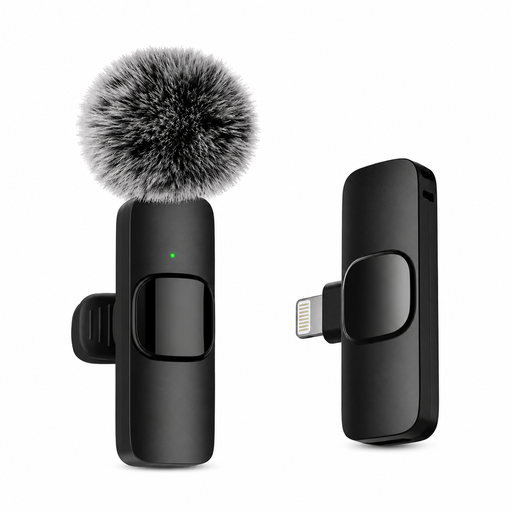
Consider this single-microphone option for close tutor speech. Confirm that its interface works with your intended iOS device and check the actual connection method before depending on wireless movement; plan separate coverage for learner discussion.
Do not rely on it for clear speech from people spread around a reverberant hall. Shure explains that a microphone cannot separate direct speech from room reverberation; put the main microphone close to the tutor and add coverage near learners whose voices matter.
No. Where the device and editing workflow support it, 32-bit float can help with recording-level mistakes, but it cannot remove hall reflections or capture a distant learner as though they were close to the microphone. Listen to a short test from the positions you intend to record.
The answer depends on the equipment and radio band. Ofcom lists 2400–2483.5 MHz as a range that can be used without a licence for wireless microphones, subject to the applicable requirements, and notes that shared use can cause interference. Check the exact model's UK radio documentation and test it at the venue.
If the recording identifies participants, the organiser should establish an appropriate lawful basis for processing their information; the Information Commissioner's Office explains that lawful bases are set out in Article 6 of the UK GDPR. Before recording, also check the organisation's arrangements for informing participants and for storing, accessing and sharing the files.
Do not assume that it can. The cited Shure Microflex MX391 and Audio-Technica ES947 boundary-microphone setups use XLR connections and require suitable power, so compare the exact microphone with your phone interface, recorder or mixer before buying.