What matters when choosing?
Choose where the microphone can stay during the story, then check how its signal reaches a recorder and how you will listen for problems.
Wired cardioid dynamic microphone
Choose it when: One storyteller can speak close to a stand microphone or hold it consistently.
Trade-off: Movement is limited, and recording requires an XLR-capable chain.
Wireless lavalier system
Choose it when: The storyteller needs to move or is being filmed away from a stand.
Trade-off: Charging, clothing placement and the venue’s radio environment need attention.
XLR condenser microphone
Choose it when: The storyteller has a stable close position and the recording equipment can power the chosen microphone.
Trade-off: The Audio-Technica AT2020, for example, needs 48 V phantom power; careful placement still matters in a lively hall.
| Concern |
What to check |
Who this matters to |
| Speech clarity |
Check whether the storyteller can stay close to a directional microphone and keep it aimed at their voice. |
With listeners and reflective surfaces nearby, I want the words to remain clearer than the surrounding hall sound; around 36% of consumers put speech clarity first. |
| Connection and power |
Match the microphone connection to the recorder or device; for an AT2020, check for an XLR input and 48 V phantom power. |
I need the microphone and recording equipment to work together when the session begins. Connection and power are the main concern for around 29% of consumers. |
| Movement and recording |
For a wireless setup, check device compatibility, battery plans, monitoring and whether the chosen model records onboard. |
If the storyteller moves or is filmed, I need a microphone that stays close without a stand; roughly 21% of consumers prioritise that freedom and the recording workflow. |
| Separate sources |
Count the microphones that need their own tracks and check the recorder’s input count. |
When a host or another voice needs a separate track, I would rather plan the inputs before the event; around 14% of consumers make expansion their primary concern. |
Wireless microphone options on Joybuy
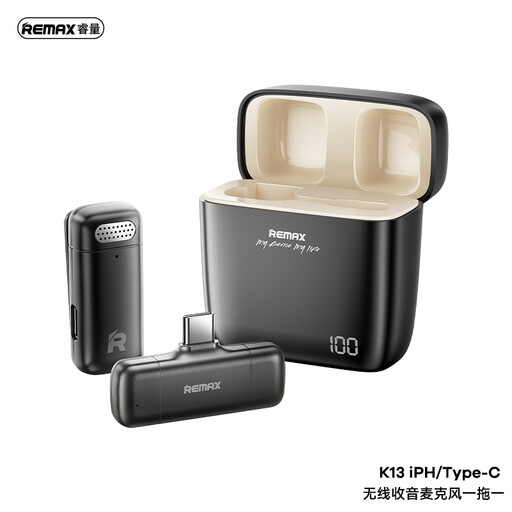
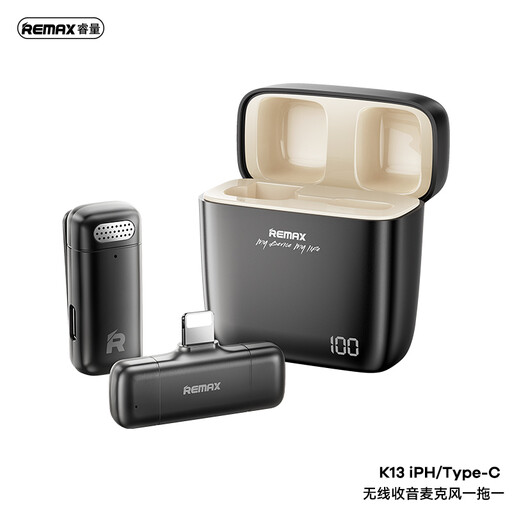
These REMAX wireless variants are options to examine if the storyteller needs to move and the recording device uses the corresponding USB-C or Lightning connection. Check device compatibility and the recording plan before choosing between them.
 No image available
REMAX K13 1-to-1 USB-C Wireless Microphone – Black
Consider this wireless USB-C variant when the storyteller needs to move; confirm that the intended recording device works with its connection.
If an independent recording or a particular session duration matters, check the onboard-recording function and battery runtime before buying.
View on Joybuy
 No image available
REMAX K13 1-to-1 Lightning Wireless Microphone – Black
Consider this wireless Lightning variant for a moving storyteller recording to a compatible device; confirm the connection with the intended phone and recording app.
Check onboard recording and battery runtime if the session requires a separate recording path or must run for a set duration.
View on Joybuy
Common questions
Can one microphone at the back of the hall capture the storyteller clearly?
For a recording focused on the storyteller’s words, place a directional microphone close to the speaker instead. Shure advises aiming at the desired source and keeping microphones as close as practical and away from reflective surfaces.
Does an XLR microphone need phantom power?
It depends on the microphone: Audio-Technica specifies 48 V DC phantom power for the AT2020 condenser, while the Shure SM58 is a dynamic model. Check the exact microphone and the power available from your recorder or interface.
What should I listen for in a test recording?
Listen from the storyteller’s real position for audience noise, clothing rustle on a lavalier, hum and unexpectedly low levels. Use headphones on the recording equipment where possible, and make the test before the session starts.
Are wireless microphones always licence-free in the UK?
No. Ofcom sets conditions for licence-exempt bands and provides programme-making and special events licensing for certain wireless-microphone uses. Check the equipment’s frequency band and the venue’s other wireless systems before the event.
What if identifiable attendees can be heard on the recording?
The organiser should decide how the recording will be used and what information people need before recording begins. Where UK GDPR applies to the organiser’s processing of personal data, the Information Commissioner’s Office says individuals must receive specified privacy information, including the purpose and lawful basis.


