What matters when choosing?
Choose where the microphone will sit while you speak, then check how it connects to the device that will record your diary.
USB desk microphone
Choose when: You narrate seated at a computer or compatible tablet and can keep the microphone in one position.
Trade-off: A desk setup is awkward for walking footage, and a matching USB plug alone does not establish mobile-device compatibility.
Close-address USB/XLR microphone
Choose when: You can speak close to a fixed microphone and want the option of connecting through an XLR audio interface later.
Trade-off: It remains a fixed setup; processing offered through a model's USB workflow should not be assumed to work through XLR.
Camera-mounted shotgun microphone
Choose when: Your diary is mainly filmed and the microphone needs to stay on a camera or mobile rig.
Trade-off: Directional pickup does not replace speaking close to the microphone or dealing with a reflective booth.
Wireless clip-on system
Choose when: You film yourself while moving or sometimes need a second person on mic.
Trade-off: Charging, pairing, possible interference and checks on the operating band add steps that a wired desk setup avoids.
| Concern |
What to check |
Who this matters to |
| Clear booth narration |
Check the pickup pattern, speaking position and pop protection. If processing is advertised, check which connection and app it requires. |
I want spoken entries to stay intelligible despite fan noise or reflections in my small booth. Around 42% of consumers put clear, close-recorded narration first. |
| Connection and monitoring |
Match the microphone's output to your device and recording app; check required cables or adapters and how you will hear the input. |
I need to know that my microphone will connect and let me catch a recording problem before I finish an entry. For around 33% of consumers, dependable setup and monitoring are the primary concern. |
| Portable self-filming |
Decide between a microphone aimed from the camera and one worn on the body; for wireless kits, check the transmitter count and operating band. |
When I record myself away from the desk, I need the microphone to travel with me or my filming rig. Portability comes first for around 25% of consumers. |
Joybuy product choices
These choices cover a fixed USB/XLR desk microphone and wireless kits for travel recording. Choose by where you will speak and what you will record into, rather than treating a mobile kit as a direct substitute for a desk setup.
 No image available
FIFINE AM8 USB/XLR Dynamic Microphone
Consider this for seated diary narration when you can keep a microphone on the desk and want the option of USB or XLR connection.
The named configuration includes a desktop stand, headphone jack and mute button. Confirm that your recording device and app support the connection you plan to use, and check which controls and monitoring options work in that mode.
Joybuy
 No image available
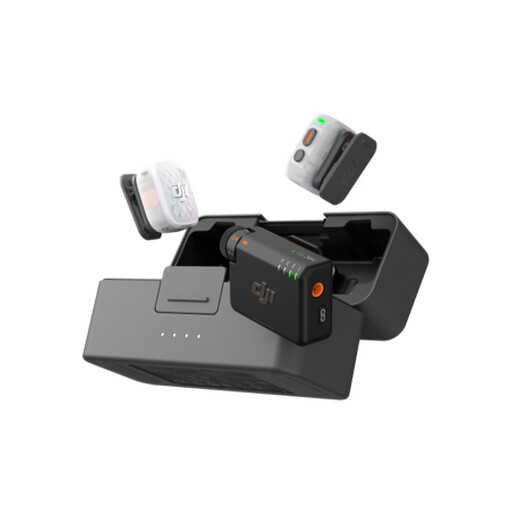
DJI Mic Mini 2S (2 TX + 1 RX + Charging Case)
Consider this wireless kit if your travel diary includes moving or self-filming and you may record with a second person.
The named bundle has two transmitters, one receiver and a charging case. Check the receiver connection and monitoring method for your device and app, along with the kit's operating band and applicable use requirements.
Joybuy
 No image available
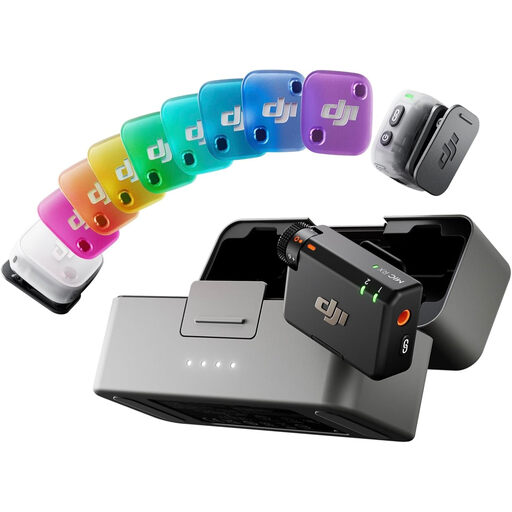
DJI Mic Mini 2 (2 TX + 1 RX + Charging Case)
Consider this separate wireless model for mobile narration or entries involving two speakers.
The named bundle has two transmitters, one receiver and a charging case. Confirm compatibility with your recording device and app, how you will monitor the audio, and the operating band and applicable use requirements.
Joybuy
 No image available
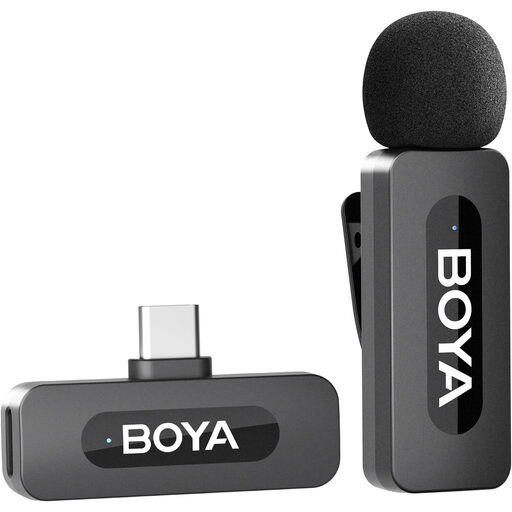
BOYA BY-V10 V2.0 USB-C Wireless Microphone (1 TX + 1 RX)
Consider this one-transmitter wireless kit for solo mobile narration if your recording device can use its USB-C connection.
The product name specifies one transmitter and one receiver. Check support for your exact device and recording app rather than relying on the connector shape, and confirm the operating band and applicable use requirements.
Joybuy
 No image available
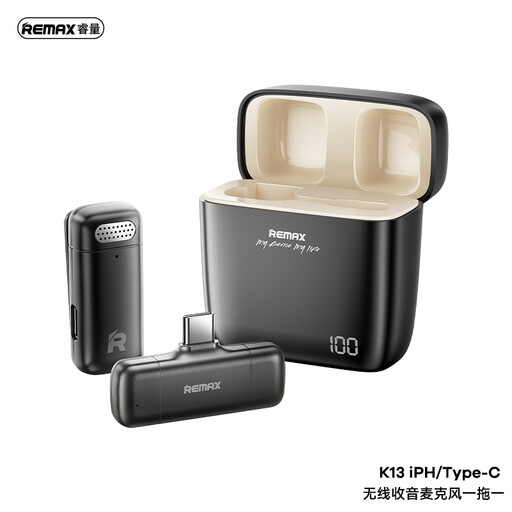
REMAX K13 1-to-1 USB-C Wireless Microphone, Black
Consider this wireless format when you need to record a solo diary away from a fixed desk and intend to connect through USB-C.
Check that your device and recording app accept the microphone, how you will monitor the recording, and which operating-band requirements apply before use.
Joybuy
Frequently asked questions
What microphone is simplest for a seated diary in a small booth?
A directional USB desk microphone with headphone monitoring is a straightforward starting point if you record into a compatible computer or tablet. Confirm that the device and recording app accept it as an audio input before choosing a model.
Will a directional microphone or noise cancellation fix a boomy booth?
Neither guarantees that a reflective booth will sound controlled. Speak close to the microphone, reduce avoidable background noise and listen to a short test recording; treat any processing as an additional feature rather than a replacement for placement.
Do I need an adapter to record on an iPhone?
That depends on the phone port and microphone: RØDE says its NT-USB Mini requires an Apple Lightning to USB Camera Adaptor with Lightning iOS devices, while its VideoMic GO II uses connection-specific cables. Check the exact phone, microphone kit and recording app before ordering.
Can I use a wireless microphone in the UK without a licence?
Some use is licence-exempt, but not every wireless setup qualifies. Ofcom lists 173.8–175 MHz, 863–865 MHz and 2400–2483.5 MHz as ranges that can be used without a licence subject to requirements; shared use can also bring interference. Check the microphone's actual band against Ofcom's conditions before use.
What should I check for a wireless microphone supplied in Great Britain?
Check the documentation and manufacturer or importer information for the actual model, as well as its operating band. The Office for Product Safety and Standards states that the Radio Equipment Regulations 2017 set requirements before radio equipment is placed on the Great Britain market; Northern Ireland has separate modified provisions.


