Stew reheaters with limited worktop space
If you mainly heat a bowl or plate of stew, measure the space available for the appliance and check that your dish fits its turntable. Extra cooking modes may matter less to you than those two measurements.


For reheating beef stew, start with a solo microwave that fits your worktop and lets your usual bowl rotate freely. A 17–20L model is a useful starting point for modest portions, but check the turntable and exterior measurements rather than relying on capacity alone; choose a grill model only if you will use its browning function for other food. Stir stew during heating and check that it is steaming hot throughout.
If you mainly heat a bowl or plate of stew, measure the space available for the appliance and check that your dish fits its turntable. Extra cooking modes may matter less to you than those two measurements.
If chilled or frozen home-cooked portions are a routine meal, selectable power levels and a defrost setting may be useful. Check how the turntable and cavity are cleaned if sauce often splashes.
If you also want to brown or crisp other foods, a microwave with a grill may be worth considering. The grill is a separate reason to choose it, not a requirement for reheating stew.
Check where the microwave will sit and which dish you will put in it before comparing controls or extra cooking functions.
| Concern | What to check | Who this matters to |
|---|---|---|
| Worktop and dish fit | Measure the available width, depth and height; compare your dish with the turntable diameter and cavity clearance. | I have little room beside the preparation area, and my usual stew bowl still needs to fit and rotate. Around 36% of consumers would put worktop and dish fit first. |
| Reheating thick stew | Check the available power settings and whether defrost is useful for your portions; stir during heating and check the food throughout. | When I heat a thick portion, I want enough control to pause and stir rather than trust a preset to heat every part. For around 29% of consumers, controlled reheating would be the primary concern. |
| Controls and cleaning | Choose between dials and digital controls, and check the model’s turntable and cavity-cleaning instructions. | I reheat leftovers often, so setting the time and wiping up gravy should feel manageable in my routine. Straightforward controls and cleaning would come first for around 21% of consumers. |
| Grilling other foods | Check whether you will use a grill or combination mode, and review its accessories and cleaning instructions. | I need to reheat stew, but I also want the same appliance to brown or crisp other food. Around 14% of consumers would make those extra functions their first priority. |
A stated 17L or 20L capacity does not establish that your wide stew bowl will fit, rotate or clear the cavity walls.
Measure the dish and its base, then compare them with the turntable and internal clearance. Check the microwave’s exterior dimensions against its intended worktop position as well.
Microwave-heated food can have hot and cold areas. NHS guidance advises stirring food heated in a microwave and checking that it is steaming hot all the way through.
Stir the stew part-way through heating, follow any applicable standing-time instructions and check it throughout before eating.
A grill provides browning functions for other foods; it is not needed for the central task of reheating stew.
Compare solo microwaves first if reheating is all you intend to do. Consider a grill only if you will use its additional functions and are comfortable with their cleaning and accessory requirements.
Electrical Safety First warns that a countertop microwave used on an extension lead alongside other high-power appliances can overload the lead.
Use a suitable wall socket where possible, follow the manufacturer’s installation instructions and check the plug and socket for damage.
Panasonic’s NN-ST23QMBPQ solo and NN-GT23QMBPQ grill models illustrate two approaches to a compact 20L microwave.
The RHMM701C-N is a manual solo option for buyers who prefer physical dials and usually heat modest portions.
The MV-AM20T is a 20L solo model for buyers interested in digital presets and a cavity Toshiba describes as easy to clean.
These solo microwaves offer different stated capacities and controls for reheating stew. The larger 23L and 25L models are worth considering when dish space matters, provided their worktop footprint fits; compare every model with your own bowl and available space.
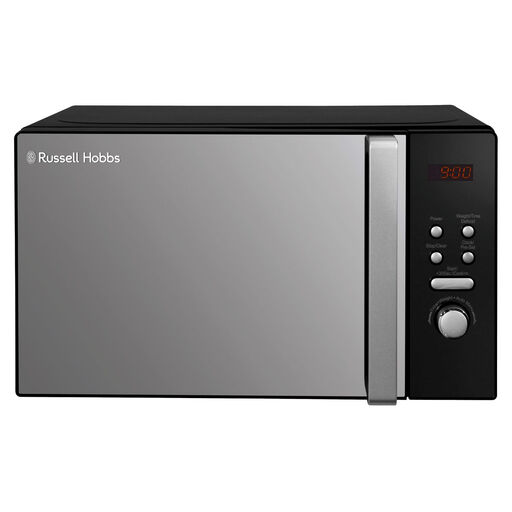 No image available
Consider this model if you want a 20L digital microwave for routine portions and prefer selectable power settings.
The product name states 800W output and five power levels. Check your bowl’s fit and the appliance’s exterior dimensions before ordering.
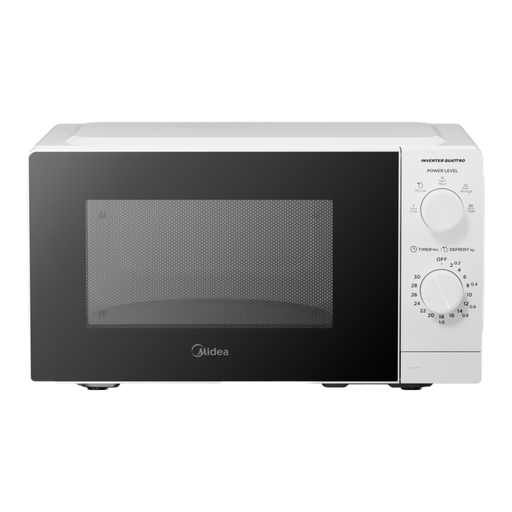 No image available
Consider this model if you prefer manual controls for reheating and want a 20L solo microwave.
The product name states 700W output. Check the turntable diameter against your stew bowl and confirm the exterior measurements and installation clearances for your worktop.
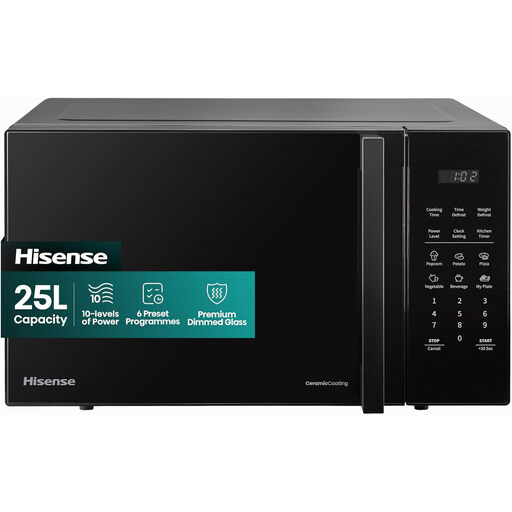 No image available
Consider this larger-capacity option if your usual dish needs more room and you can accommodate a bigger appliance.
The product name states 900W output and auto defrost. Its 25L capacity does not establish that a particular bowl will fit, so check dish clearance and worktop dimensions.
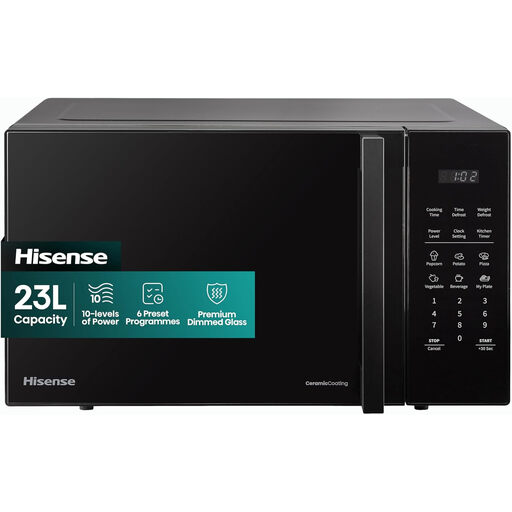 No image available
Consider this model if a 23L solo microwave suits your cookware and the available worktop space.
The product name states 800W output and auto defrost. Check its turntable and cavity clearance for your bowl rather than assuming capacity alone establishes fit.
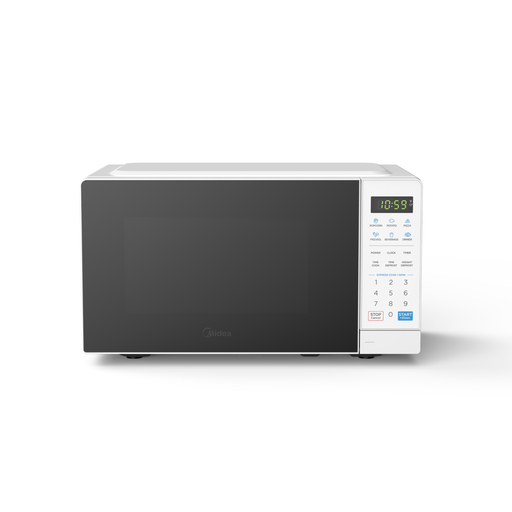 No image available
Consider this 20L solo model if you want digital controls and can check its fit against your own worktop and bowl.
The product name states a 245mm turntable. Confirm exterior dimensions before ordering, and check the model’s defrost and turntable-cleaning details if those features matter to you.
Either capacity can be a starting point for a modest portion, but your particular bowl must fit inside and rotate freely. Russell Hobbs lists a 24.5cm turntable for its 17L RHMM701C-N, while Panasonic lists a 255mm turntable for its 20L NN-ST23QMBPQ; compare those measurements with your dish rather than choosing by litres alone.
No particular wattage removes the need to stir and check thick stew during reheating. The Panasonic NN-ST23QMBPQ has a stated maximum output of 800W and the Russell Hobbs RHMM701C-N is rated at 700W, so follow the relevant food and appliance instructions rather than transferring a heating time unchanged between them.
Stir the stew during heating and check that it is steaming hot throughout before eating. NHS guidance notes that stirring microwave-heated food helps address hot and cold areas; follow any applicable food-packaging and appliance instructions too.
Avoid overloading an extension lead with a microwave and other high-power appliances. Electrical Safety First warns that this combination can overload the lead; use a suitable wall socket where possible and follow the microwave manufacturer’s installation instructions.