Single-bowl compote warmers
If you usually warm one bowl or another small portion, straightforward power controls and room for your usual container matter more than additional cooking modes.


For a shared kitchen that mainly needs to warm bowls of fruit compote, start with a freestanding solo microwave: its heating and reheating functions address the task without requiring grill or convection modes. A 15–20 litre model may suit small portions where worktop space is limited; consider a larger cavity if the appliance will regularly take wider bowls or shared meals. Check container fit, controls, cleaning access and the manufacturer’s placement instructions before choosing.
If you usually warm one bowl or another small portion, straightforward power controls and room for your usual container matter more than additional cooking modes.
Where several people use a crowded counter, consider external dimensions, accessible controls, cleaning and a position that follows the manufacturer’s ventilation instructions.
If the microwave will also take larger bowls, plates or shared meals, measure those containers before settling on a compact cavity. Extra capacity does not, by itself, mean you need grill or convection cooking.
Start with the food and containers the kitchen will heat most often, then check whether the appliance fits the counter with the required ventilation and door space.
| Concern | What to check | Who it matters to |
|---|---|---|
| Single-bowl warming | Look for adjustable power levels and a timer suited to checking a small portion in short intervals. | If I usually warm one bowl of compote, I want to pause, stir and check it rather than commit to one long cycle. Around 50% of consumers would put controlled single-portion warming first. |
| Shared-kitchen practicality | Measure the counter, allow for the manufacturer’s ventilation requirements and check cleaning access and the plug arrangement. Electrical Safety First advises using a wall socket rather than an extension lead. | On a communal counter, I need an appliance people can position safely and wipe down after use. Roughly 38% of consumers would prioritise that shared-space practicality. |
| Room for larger dishes | Compare the widest intended container with the turntable and usable cavity dimensions; allow space for the door to open. | If the same microwave must take serving bowls and meals, I need to know those dishes will fit. About 12% of consumers would make larger-container capacity their primary concern. |
A solo microwave handles straightforward heating and reheating. As Which? explains, combination models add grill and convection functions for other cooking tasks.
Consider those extra modes if the household will regularly use them, not solely because it warms compote.
A smaller appliance may fit the counter yet leave too little room for a wide serving dish. A larger one still needs space around it for its door and the manufacturer’s required ventilation.
Measure the largest intended bowl and the available counter; compare turntable, cavity and external dimensions before choosing.
Electrical Safety First advises against powering a microwave through an extension lead and warns that unsuitable containers can melt or spark.
Use a suitable wall socket and a container clearly marked microwave-safe. Keep metal cutlery and foil out unless the appliance instructions specifically permit their use.
Splatters can accumulate when several people use the same cavity and turntable.
Check how the cavity and turntable are cleaned, agree on wiping up after use and follow the manufacturer’s cleaning instructions.
The Quest 35850 is listed as a 20 litre, 700 W solo microwave with six settings and reheating and defrost functions.
The compact Logik LMB24 is listed with a 15 litre cavity, 700 W output, six power levels and a 245 mm turntable.
The Kenwood K25MS24 is listed as a 25 litre, 900 W solo microwave with a 315 mm turntable and five power levels.
These solo microwaves cover 20 litre bowls-and-small-meals use alongside larger 23 and 25 litre options. Choose by the containers and counter space in your shared kitchen, rather than treating cavity size alone as a measure of fit.
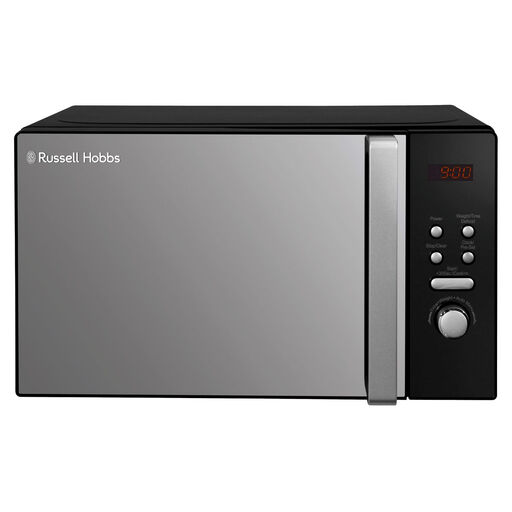 No image available
A solo option for a shared kitchen that mainly reheats bowls and modest portions. The product name specifies 800 W and five power levels; check that your largest bowl fits and allow for the required ventilation space.
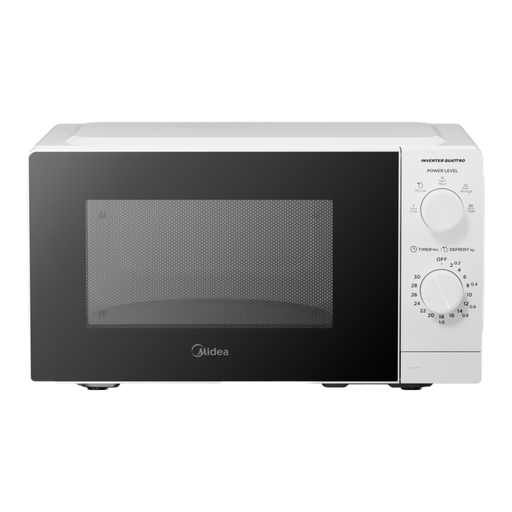 No image available
A 700 W solo model to consider for straightforward bowl reheating. Confirm that the intended bowl fits inside, and check the plug arrangement and ventilation instructions for the planned position.
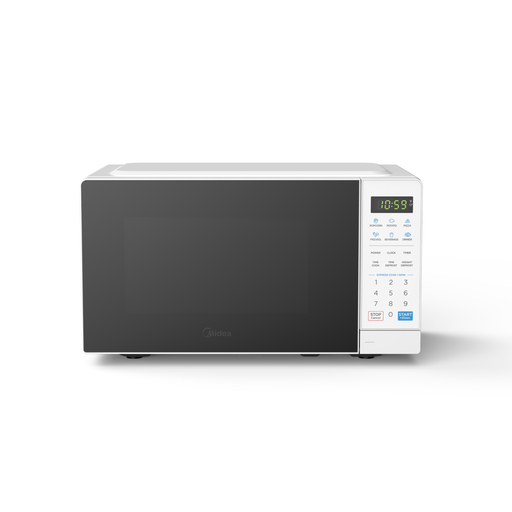 No image available
A digital-control option for warming smaller portions on a shared counter. The product name specifies a 245 mm turntable; compare that diameter with your bowl, and check the plug and ventilation requirements.
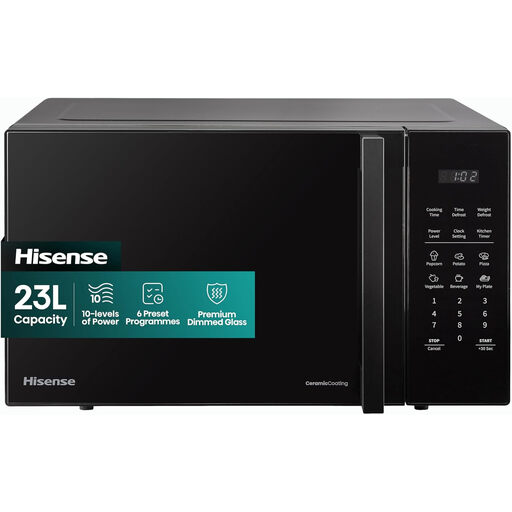 No image available
Consider this capacity if the kitchen heats more than one-bowl portions. Confirm the exact variant’s controls and timer before choosing it, then check container fit, plug arrangement and ventilation space.
 No image available
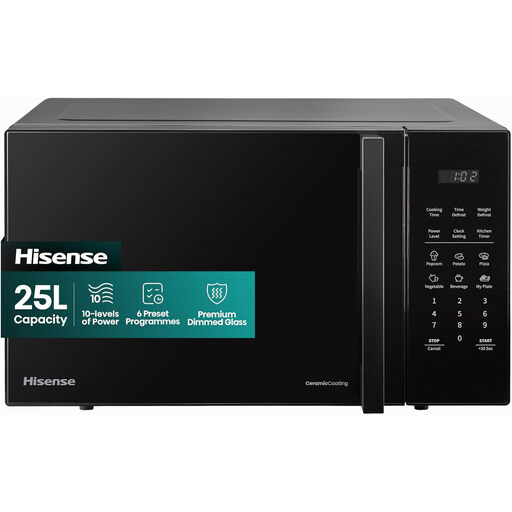
This larger solo model is worth considering if the shared kitchen regularly heats wider dishes as well as compote. Measure the counter and intended containers, and confirm the timer controls, plug and ventilation requirements.
A solo microwave is sufficient for the straightforward heating and reheating task. Choose a combination model if the household also intends to use its grill or convection functions for other cooking, as described by Which?.
Use a clearly microwave-safe container and heat in short intervals, stirring and checking the temperature before serving. Follow any heating directions supplied with the compote or its recipe, and do not leave the microwave unattended.
Electrical Safety First advises against powering a microwave from an extension lead. Plan a position that reaches a suitable wall socket, and check the appliance’s plug and the manufacturer’s placement instructions.
The answer depends on the property and the requirements that apply to its shared cooking facilities; a microwave should not be assumed to satisfy them on its own. Arun District Council’s HMO guidance, for example, calls for sufficient cooking equipment for the people sharing a kitchen. Check the relevant council and property requirements before relying on a microwave as the kitchen’s cooking provision.