Family-batch reheaters
You usually warm sauce or leftovers in a serving bowl rather than a small plate. The useful size is the one that accommodates your actual dish, not simply the largest litre figure on the label.


For a family bowl of tomato sauce, start with a solo microwave and check that your covered serving dish fits inside and can rotate if the model has a turntable. Consider inverter or flatbed features if they address a particular heating or dish-fit need; choose a combination microwave only if you will also use its other cooking functions. Whatever the model, stir the sauce during reheating and make sure it is steaming hot throughout before serving, as NHS guidance advises.
You usually warm sauce or leftovers in a serving bowl rather than a small plate. The useful size is the one that accommodates your actual dish, not simply the largest litre figure on the label.
You want to reduce the chance of cooler areas in a thick portion of sauce. Inverter features may be worth comparing on named models, but NHS guidance to stir reheated food still applies.
You need the same appliance for sauce reheating and tasks such as grilling or convection cooking. That wider requirement, rather than sauce alone, is the reason to consider a combination model.
Check the bowl against the usable cavity first, then decide how much control you want during reheating. Treat grill and convection functions as a separate choice for meals beyond sauce.
| Concern | What to check | Who this matters to |
|---|---|---|
| Serving-dish fit | Compare your covered bowl’s width and height with the usable cavity; on turntable models, check that it can rotate. | I need to warm the sauce in our usual family serving bowl, so fitting that dish comes before extra features. Around 33% of consumers put dish fit first. |
| Even heating and safe serving | Look for controls that let you pause and stir; check that the sauce is steaming hot throughout before serving, as NHS guidance advises. | With a thick portion, I want to stir and check for cooler areas rather than trust an automatic programme alone. Around 33% of consumers make even heating and safe serving their primary concern. |
| Everyday reheating | Compare controls and power settings you would actually use, alongside how easily the cooking surface can be cleaned after splashes. | When sauce and leftovers are the main jobs, I would rather have straightforward controls than cooking modes I rarely use. Around 20% of consumers put simple everyday reheating first. |
| Other cooking functions | Confirm which grill or convection modes you need and check dish fit separately; those modes are not required to reheat sauce. | I also want this appliance to handle cooking beyond reheating, so its additional modes matter to me. Around 14% of consumers put those functions first. |
A 23L or 25L label does not tell you whether a particular covered bowl will fit or rotate.
Measure the dish you use for sauce and compare it with the usable internal dimensions and, where applicable, the turntable diameter. Consider a flatbed layout if its floor shape better accommodates that dish.
Reheated sauce can have hotter and cooler areas. NHS guidance says to stir microwave-reheated food and ensure it is steaming hot throughout.
Pause to stir the whole portion, then check it before serving rather than relying on the programme label.
Grill and convection functions serve cooking needs beyond straightforward microwave reheating; they do not resolve a bowl-fit problem.
Start with a suitable solo model if sauce and leftovers are your main tasks. Consider a combination model if you will also use its other cooking modes.
Electrical Safety First warns that microwaves used with other high-power appliances can overload an extension lead and create a fire risk.
Use a suitable wall socket, follow the appliance instructions and check the plug and socket for signs of heat damage.
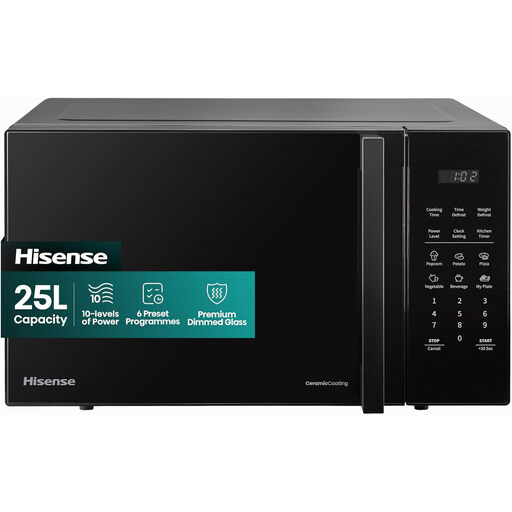
The H25MOBS7HUK is a solo option for comparing a 25L cavity and 900W output with your family serving dish.
The NN-SD25HBBPQ provides a named inverter solo model to compare: Panasonic specifies 23L capacity and 1000W inverter power.
The MW2-AC25T is a 25L combination model for households that need grilling or convection cooking as well as reheating.
These models include solo microwaves for straightforward reheating and models with additional cooking functions. Compare each one with your usual covered bowl; capacity alone cannot establish whether it will fit.
 No image available
A solo format to consider when reheating sauce and leftovers is the main task.
The named model has a 25L capacity and 900W output; Joybuy also lists a removable glass turntable. Check that your covered bowl fits and can rotate.
 No image available
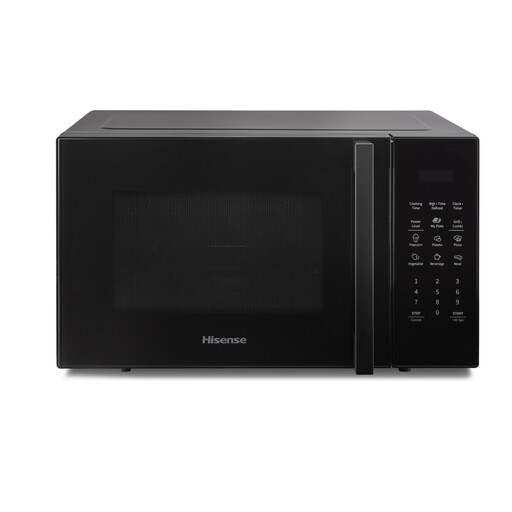
Consider this model if you want a grill function as well as microwave reheating.
Its title specifies 29L capacity and 900W microwave output. Check the grill functions you intend to use, and compare your covered bowl with the usable cavity.
 No image available
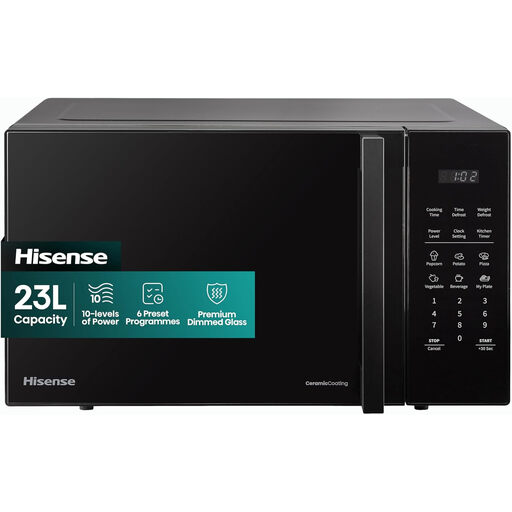
A solo option if you want microwave reheating without choosing a grill or convection model.
The title specifies 23L capacity and 800W output. Check the usable space against your family serving bowl before choosing it.
 No image available
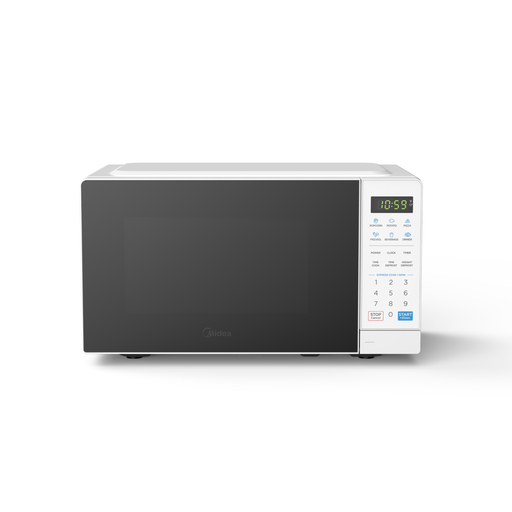
Consider this solo model if you are comparing inverter features and your serving bowl suits a smaller cavity.
Its title specifies 20L capacity, 700W output and a 245mm turntable. Measure the bowl before choosing it; an inverter label does not remove the need to stir sauce during reheating.
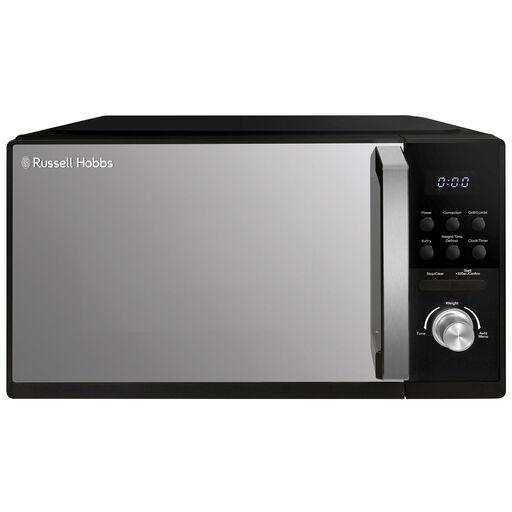 No image available
A combination model to consider if your appliance needs to do more than reheat sauce.
Its title specifies a 25L, 4-in-1 format. Confirm which additional modes you would use and whether your covered serving dish fits the usable cavity.
Use a microwave-safe container, heat the sauce in intervals and stir it thoroughly before checking that it is steaming hot throughout, in line with NHS guidance. If serving a baby or young child, let the food cool and check its temperature before feeding.
No: a solo microwave provides the heating and reheating function needed for sauce. Consider a combination model if you will also use functions such as grilling or convection cooking.
A 23–25L model is a useful starting point based on the named Panasonic and Hisense examples, but litres do not establish dish fit. Compare your bowl’s dimensions with the usable cavity and check that it can rotate if the model has a turntable.
Follow the appliance instructions and use a suitable wall socket. Electrical Safety First warns that running a microwave alongside other high-power appliances on an extension lead can overload it; also check the plug and socket for signs of heat damage.