Single-portion custard reheaters
You usually warm one bowl or jug at a time and want to control short heating intervals rather than buy around family-sized portions.


For one serving of custard, start with a compact solo microwave that lets you select the power and set short heating intervals. A 17–20 litre model is a sensible size to consider, but check that your bowl fits, the controls suit you and the appliance fits your worktop; stir the custard between intervals rather than relying on maximum power or an automatic programme.
You usually warm one bowl or jug at a time and want to control short heating intervals rather than buy around family-sized portions.
You need room for a microwave on a limited worktop, so its external dimensions matter as much as its stated capacity.
You want to select a power setting and set short timings, particularly for thick food that needs stirring and a temperature check.
Choose controls you can use for brief, stirred heating intervals, then check the bowl and worktop fit before deciding whether simpler or digital controls suit you.
| Concern | What to check | Who this matters to |
|---|---|---|
| Gentle heating control | Check the exact model’s selectable power settings and whether you can set short intervals. | If custard heats unevenly, I want to pause, stir and check it before continuing. Gentle heating control would come first for around 42% of consumers. |
| Worktop fit | Compare external dimensions and the manufacturer’s clearance instructions; check that the turntable holds your bowl. | With little worktop space, I need the appliance to fit without giving up room for my usual bowl. Around 33% of consumers would make footprint their primary concern. |
| Simple operation | Check whether the timer and manual controls are straightforward for the intervals you expect to use. | If I mainly warm custard and occasional leftovers, I would rather use uncomplicated controls than choose extra cooking modes. Straightforward reheating would lead the choice for around 25% of consumers. |
Maximum output does not tell you which lower settings you can select for short, stirred intervals.
Check the exact model’s manual settings. Panasonic UK & Ireland lists settings from 100 W to 800 W for the NN-ST22QBBPQ; other models with adjustable levels do not necessarily offer those same steps.
A cavity measured in litres does not tell you the appliance’s external depth or how much clearance its installation instructions require.
Measure the intended position and compare the exact model’s height, width and depth, then follow its manual’s clearance instructions.
Microwave-heated food can contain hot pockets. The NHS advises stirring and checking the temperature of microwave-reheated baby food; those checks are also useful when warming thick custard.
Use a microwave-safe bowl or jug, heat in short intervals, stir thoroughly and check the temperature before eating.
A photo or short marketplace title may not give you the precise model details needed to check the appliance you intend to order.
Confirm the seller, model number and applicable product-marking information before purchase, and keep the order details.
Compact solo models to consider when a 17 litre cavity and straightforward reheating controls meet your needs.
The NN-ST22QBBPQ is worth comparing if a stated low-power setting matters to you.
Compact solo models with different control arrangements for everyday small-portion reheating.
The FFL023MW0B offers a 20 litre freestanding solo option with automatic programmes.
These solo microwaves offer options for warming one serving, from 20 litre models to a larger 25 litre model if you also need room for other dishes. Check the controls and the space each appliance needs before choosing.
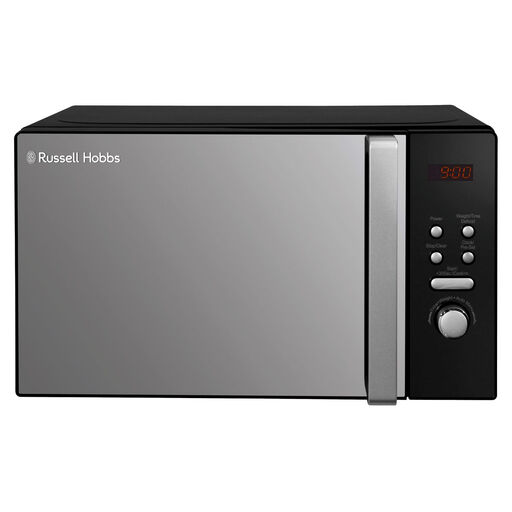 No image available
Consider this digital model if you want selectable settings for heating a single portion in stages.
The product name specifies five power levels. If you need a particular low wattage, confirm what each level delivers before buying.
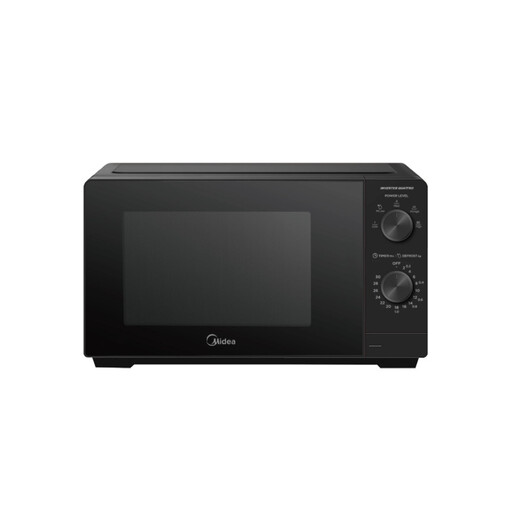 No image available
Consider this solo model if you want manual control for a single portion.
Its product name identifies MET inverter technology. Confirm the power settings and intended installation for this exact model before buying.
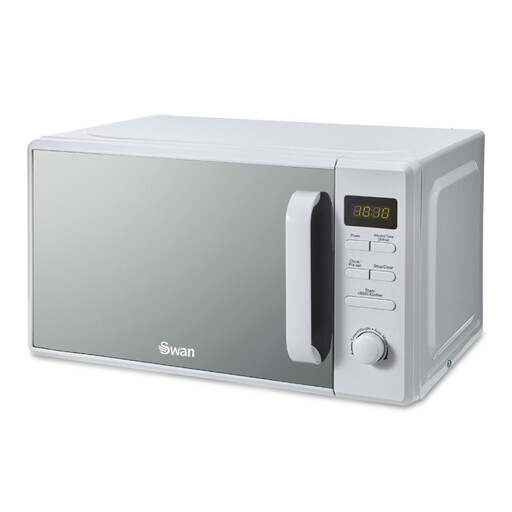 No image available
Consider this digital model if you want to set timed intervals while reheating a bowl of custard.
The product name specifies a 95-minute timer and five power levels. Check the individual levels if a particular low setting is important to you.
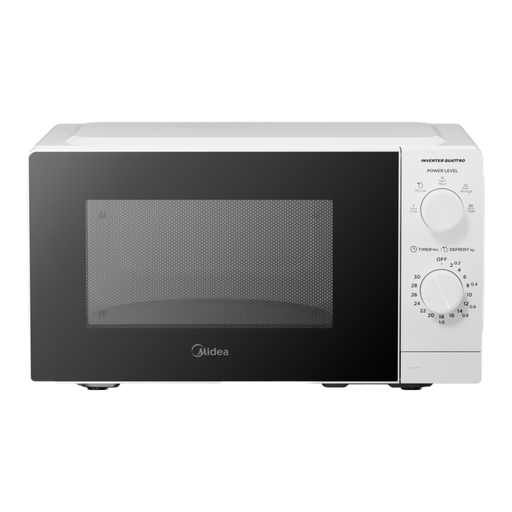 No image available
Consider this solo model if you want a 20 litre appliance for one-person portions and prefer manual controls.
Its product name identifies MET inverter technology. Confirm the control type and available low-power settings for this exact model before buying.
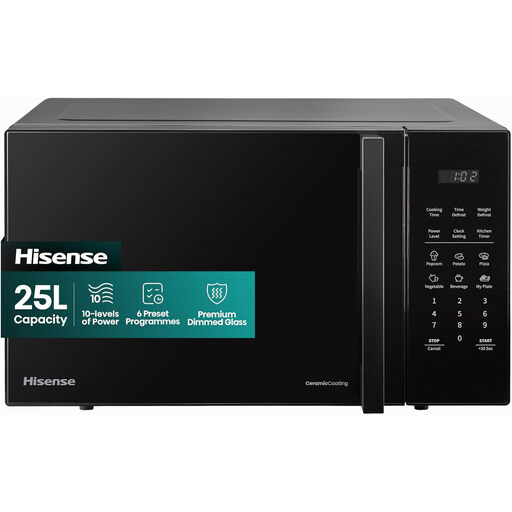 No image available
Consider this larger solo model if your microwave will also serve dishes beyond a single portion of custard.
The product name specifies auto defrost. Check the available low-power settings and measure your intended position before choosing its 25 litre size.
A compact solo microwave with selectable power and a timer is a sensible starting point for reheating one serving. Compare the fit of your bowl and worktop before choosing a capacity; grill or convection functions are not needed solely for this task.
Use short intervals and stir between them, selecting a lower power setting if your microwave offers one. The NHS advises stirring and checking the temperature of microwave-reheated baby food to address hot pockets; check your custard’s temperature before eating too.
Use it only if the container is clearly marked microwave-safe. Electrical Safety First advises microwaving items that clearly state they are microwave-safe, so transfer custard to a suitable bowl or jug if you cannot confirm the original container.
A child lock does not replace selecting the power, stirring or checking the temperature. It is a feature to consider if children may access the controls; check the exact model rather than assuming all digital microwaves include one.
Confirm the seller and exact microwave model, then check the applicable product-marking information rather than relying on a listing image. GOV.UK provides guidance on UKCA and CE marking routes for products placed on the Great Britain market.