Small-kitchen, single-portion warmer
You usually heat one bowl at a time and want to keep the appliance’s worktop footprint in proportion to that task. Check the bowl and turntable as well as the stated cavity capacity.


For one small bowl of fruit compote, start with a compact solo microwave: grill and convection modes serve different cooking tasks. A 17L or 20L model may be enough, but check your bowl against the turntable, allow the manufacturer’s required ventilation clearance and choose controls that let you warm the portion in short intervals.
You usually heat one bowl at a time and want to keep the appliance’s worktop footprint in proportion to that task. Check the bowl and turntable as well as the stated cavity capacity.
You would rather warm compote gradually than commit to one long cycle. Power settings and a timer you can set for short intervals matter more to you than extra cooking modes.
You also expect to defrost or reheat other food occasionally. Straightforward controls and a cavity you can clean after splashes matter alongside single-bowl use.
Start with bowl fit and the space available on your worktop. Then decide how much control you want over short warming cycles and whether the microwave will handle other everyday tasks.
| Concern | What to check | Who this matters to |
|---|---|---|
| Bowl fit and footprint | Compare your usual bowl with the turntable diameter, then check the exterior dimensions and required ventilation clearance. | If I only warm one bowl, I want it to fit without giving up more worktop space than necessary. Around 50% of consumers put bowl fit and footprint first. |
| Short-interval control | Look at the available power levels and how precisely you can set or add heating time. | When warming a small serving, I want to pause, stir and decide whether it needs longer. Around 25% of consumers prioritise control over short warming intervals. |
| Everyday ease | Choose controls you can use accurately; consider defrost settings and cleaning instructions if you will use them. | If the microwave will also handle other food, I want reheating, defrosting and cleaning to feel straightforward. Around 25% of consumers make everyday ease their primary concern. |
Electrical Safety First distinguishes solo microwaves, used for heating and reheating, from grill and convection models, which add other cooking functions.
Start with a solo model for compote. Consider the additional modes only if you expect to use them for other meals.
A capacity figure does not tell you whether your bowl fits the turntable or whether the appliance fits its intended spot.
Measure the bowl and available space. Compare turntable and exterior dimensions, and follow the manufacturer’s ventilation-clearance instructions.
The documented models include 700W, 800W and 850W outputs. The Microwave Technologies Association explains that microwave wattage affects heating time, so instructions for one output should not be copied without checking.
Check your appliance’s stated output and any applicable food instructions. For a small portion, start with a short interval, stir carefully and reassess before adding time.
Electrical Safety First warns that thin metal can spark and that containers not designed for microwave use may melt.
Use a clearly microwave-safe bowl, remove metal utensils and foil, and stay nearby while the microwave operates.
These examples show how specific solo-microwave models differ; their features should not be assumed to apply to every appliance from the same brand.
A compact manual-control option illustrated by a 17L, 700W model.
The RHMM715 Honeycomb illustrates a 17L, 700W solo microwave with two physical control dials.
The NN-ST23QMBPQ illustrates a 20L solo microwave with touch controls and a stated range of power settings.
Toshiba Lifestyle UK documents distinct 20L solo models for reheating and other everyday tasks.
These solo microwaves offer different approaches to the same one-bowl task: digital controls, manual controls and, in some cases, more cavity space for other uses. Compare each model with your bowl and available worktop space before choosing.
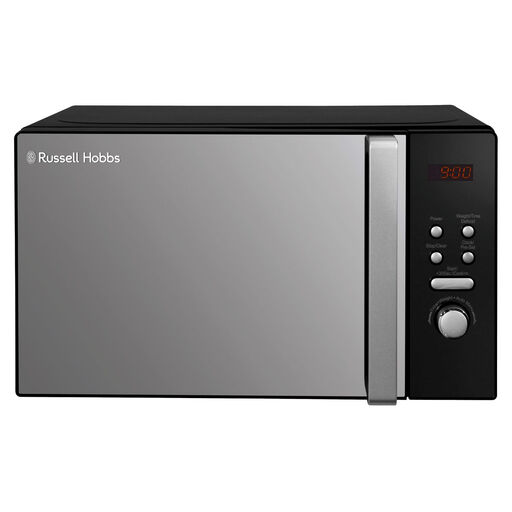 No image available
Consider this solo model if you prefer digital controls for warming one bowl. Its name specifies five power levels; check that your bowl and the appliance’s required clearances suit the intended space.
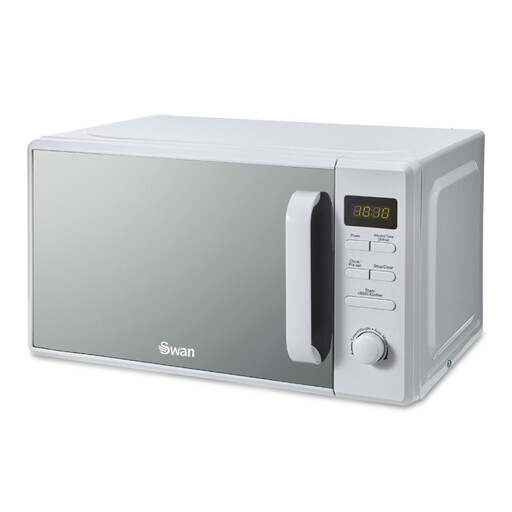 No image available
This is an option if you want digital controls and may also use the microwave for occasional defrosting. The product name specifies five power levels and a 95-minute timer; check how finely that timer can be set if very short bursts matter to you.
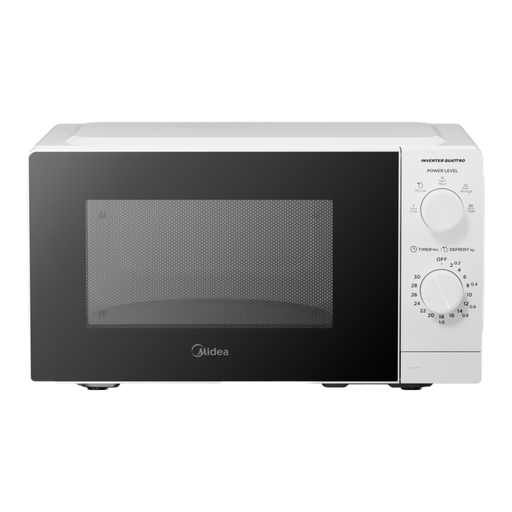 No image available
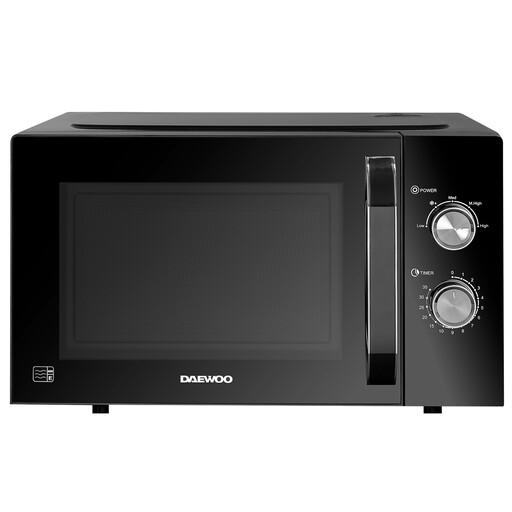
Consider this model if you prefer manual controls for a one-bowl warming task. It is identified as a 20L, 700W solo microwave; check the turntable size against your bowl and how precisely you can set short intervals.
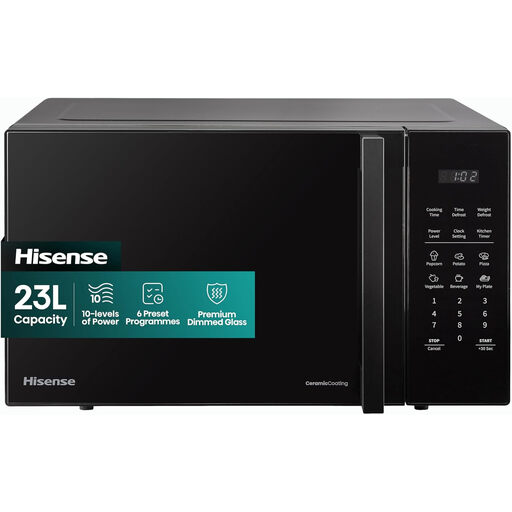 No image available
This larger-capacity option may suit a bowl that needs more turntable space or other reheating tasks. Confirm the bowl fit, exterior space and control type before buying, particularly if you have a firm preference for touch controls or dials.
 No image available
Consider this model if you prefer manual controls for reheating and occasional defrosting. Confirm its cavity capacity, turntable fit and number of power settings before choosing it for your usual bowl.
Yes, if warming a bowl is the task and the bowl fits. Electrical Safety First describes solo microwaves as appliances for heating and reheating; consider grill or convection functions if you will use those additional cooking modes for other food.
Use a clearly microwave-safe bowl and warm the compote in short intervals, stirring carefully and checking it before eating. Remove metal utensils and foil, stay nearby during heating, and follow the appliance’s cleaning instructions after splashes.
Yes, wattage matters when interpreting heating instructions: the Microwave Technologies Association explains that lower-output microwaves heat more slowly than higher-output ones. Check your appliance’s stated output and adjust applicable instructions cautiously for a small portion rather than copying another microwave’s time unchanged.
Check that the appliance has a suitable UK plug and follow its installation instructions, including ventilation requirements. Electrical Safety First also advises buying from a reputable retailer and registering the appliance so you can be contacted about a safety recall.