Small-batch compote warmers
If you usually warm one bowl, straightforward controls and enough room for that dish may matter more than extra cooking modes. Check the bowl against the turntable, not just the stated cavity capacity.


For warming fruit compote, start with a solo microwave that fits your usual bowl and gives you control over power and time. Consider an inverter solo model if adjustable warming is a priority, but treat even-heating claims as model-specific; choose a combination model only if you will also use its oven-style functions. Stir and check the food rather than relying on a feature claim alone.
If you usually warm one bowl, straightforward controls and enough room for that dish may matter more than extra cooking modes. Check the bowl against the turntable, not just the stated cavity capacity.
If you warm compote regularly, adjustable power and short heating intervals give you ways to manage the process before stirring and checking it. Panasonic makes an even-heating claim for its NN-SD35 inverter model, but that claim does not replace checking the food.
If you use a larger serving bowl or want the appliance for other meals, usable dish space becomes important. Compare the bowl’s shape with the cavity or flatbed as well as the microwave’s counter footprint.
Choose the functions you will use, then check your bowl, counter space and controls against a specific model. Which? describes solo microwaves as appliances for basic heating and defrosting; grill and combination functions address additional cooking tasks.
| Concern | What to check | Who this matters to |
|---|---|---|
| Warming control | Look for selectable power levels and a timer you can use in short intervals. Assess inverter claims for the particular model. | When I warm a small serving, I want to adjust the heating and pause to stir rather than leave it on one setting. Around 42% of consumers put that control first. |
| Simple use and compact fit | Compare your bowl with the turntable and usable cavity; check the appliance footprint and required ventilation space. | If compote is an occasional one-bowl task, I want an uncomplicated microwave that fits my counter. Compact, straightforward use comes first for around 33% of consumers. |
| Larger dishes and other meals | Check whether your serving dish fits and can rotate, or sits properly on a flatbed. Consider a grill or convection mode only for cooking you plan to do. | When I prepare compote for several people, the larger bowl needs to fit; I may also use the appliance for other meals. Around 25% of consumers prioritise dish space or broader cooking use. |
A combination microwave adds functions such as convection and grilling, but those functions are not needed simply to warm a bowl of compote.
Start with a solo model unless you can identify other meals for which you will use the additional modes.
Stated capacity does not tell you whether a wide bowl, including its handles, will fit and rotate. External size also affects where the appliance can sit.
Measure your usual bowl and counter space, then check the model’s turntable or flatbed, usable cavity and required ventilation clearance.
Panasonic’s even-heating statement concerns its named inverter model, not every microwave or every portion. For reheating cooked food, GOV.UK food hygiene guidance says it should be steaming hot throughout and reheated only once.
Heat in manageable intervals, stir when appropriate and check the centre before serving. Follow any instructions supplied with the food.
Relevant if you are considering an inverter solo microwave or a combination model for cooking beyond compote.
Relevant to shoppers considering a compact solo microwave for small servings.
Relevant if you want to compare a larger solo model with digital controls.
Relevant when limited counter space makes a compact solo model worth considering.
These solo microwaves are options for warming compote without choosing a grill or combination model. Compare their controls and stated size with the bowl you use; check usable cavity space and ventilation requirements for the model you select.
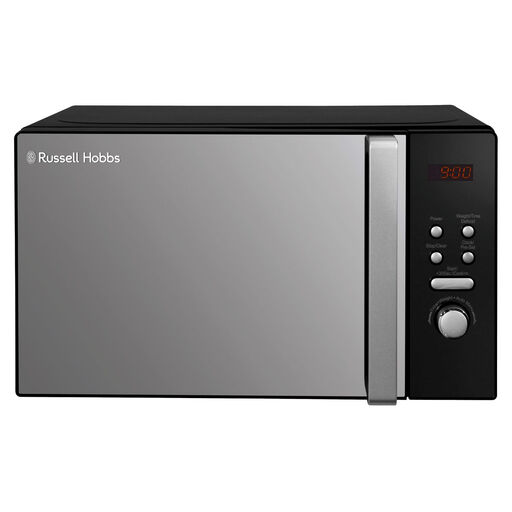 No image available
A solo option if you want to choose a power setting when warming one bowl. The product name specifies 800 W and five power levels; check that your serving dish fits the usable cavity.
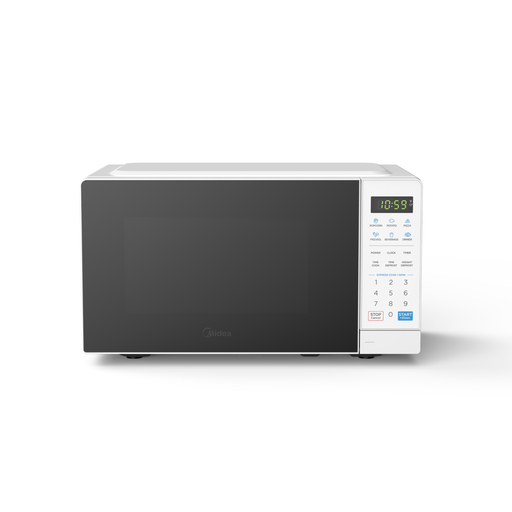 No image available
Consider this model if you want an inverter solo microwave for controlled warming, without assuming a particular even-heating result. Its product name specifies 700 W and a 245 mm turntable; compare that size with your bowl.
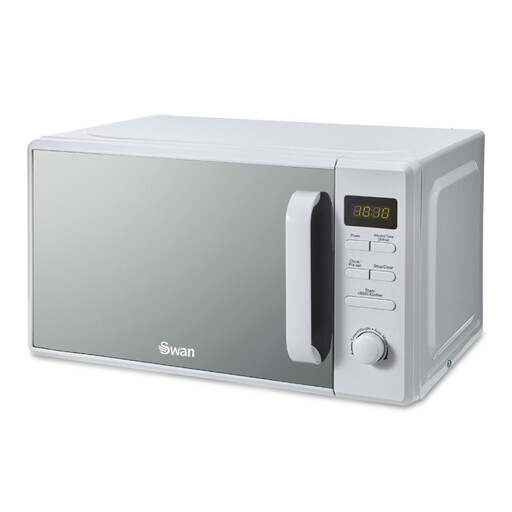 No image available
A solo option if you prefer a digital timer for warming. The product name specifies 800 W, five power levels and a 95-minute timer; confirm that the usable cavity accommodates your bowl.
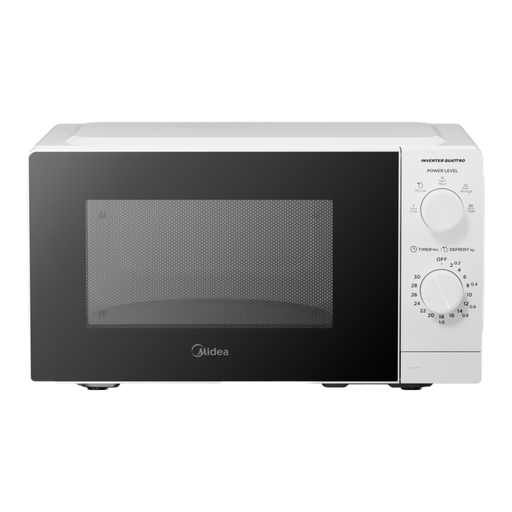 No image available
Consider this manual-control model if you want to adjust the warming setting yourself. Its product name specifies 700 W and MET inverter technology; check bowl fit and timer operation against your routine.
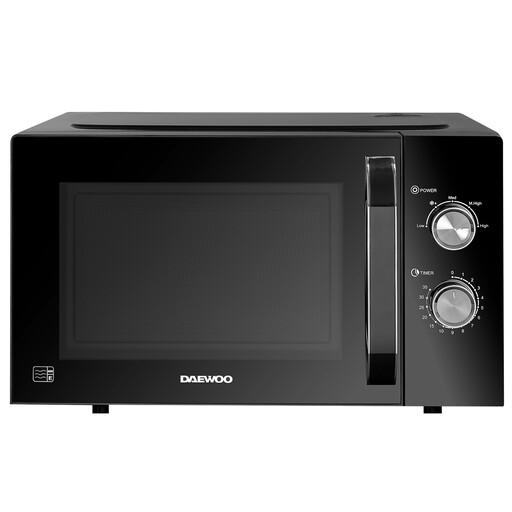 No image available
A manual-control option to consider if you use a larger serving bowl. The product name specifies 800 W and five power settings; measure the bowl and confirm the appliance dimensions and ventilation space before choosing it.
Usually, yes: a solo microwave handles straightforward heating, provided your bowl fits and the controls suit the portions you warm. Which? distinguishes basic solo heating and defrosting from the additional cooking functions offered by other microwave types.
Reheat previously cooked, chilled compote until it is steaming hot throughout, and do not reheat the same food more than once, in line with GOV.UK food hygiene guidance. Use manageable intervals so you can stir where appropriate and check the centre before serving.
No: a wattage figure alone cannot establish how evenly a particular microwave warms compote. Compare the usable controls and bowl fit, and look for credible testing of the specific model if even heating is important to you.
Check the identified model, supplier and applicable product information for where the microwave will be delivered. GOV.UK guidance on the Electrical Equipment (Safety) Regulations 2016 addresses Great Britain and notes that some provisions apply differently in Northern Ireland, so do not assume the same regulatory conclusion covers both areas.