What matters when choosing?
Decide how you will pause and stir the gravy, then check how easily the next user can clean up; consider extra capacity or cooking modes only for meals you expect to prepare.
| Concern |
What to check |
Who this matters to |
| Heating gravy throughout |
Look for accessible time and power controls so you can pause and stir. Check any stirring or standing directions on the gravy packaging. |
If I am reheating a small jug of gravy, I want to catch cooler areas before serving it. Around 42% of consumers put thorough reheating first. |
| Cleaning between users |
Check whether the turntable lifts out and how the cavity should be cleaned; confirm dishwasher suitability for the specific turntable. |
After several people have used the kitchen, I do not want the next person to face my splashes or lingering smells. Keeping the shared microwave easy to clean comes first for around 33% of consumers. |
| Space and other cooking tasks |
Check that your dishes fit the cavity and that the appliance fits the worktop. Choose grill or convection modes only if they will be used. |
When one appliance also needs to handle larger dishes or oven-style cooking, I need more than basic gravy reheating. Around 25% of consumers prioritise that broader cooking role. |
Joybuy microwave choices
These solo microwaves suit a shared kitchen where reheating gravy is the main job. The larger-capacity options are worth checking if the same appliance will also hold bigger bowls or plates; all still require stirring and a check that the gravy is hot throughout.
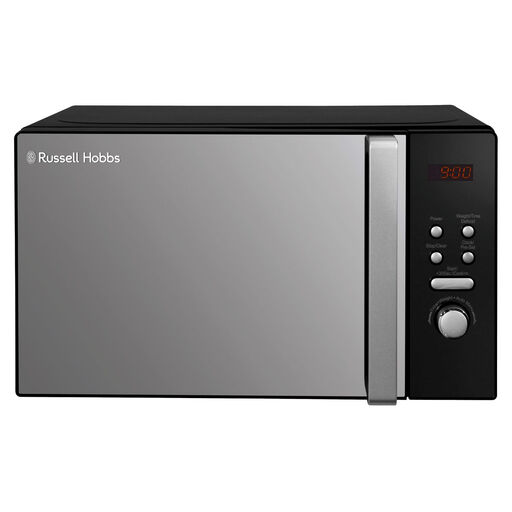 Image unavailable
Russell Hobbs RHM2063-AH Digital Microwave, Black
For shared users who want to adjust heating in stages, this digital solo model offers five power levels. It is listed with a 20L cavity and 800W output; check that your microwave-safe gravy jug fits and can be stirred without overfilling.
Joybuy
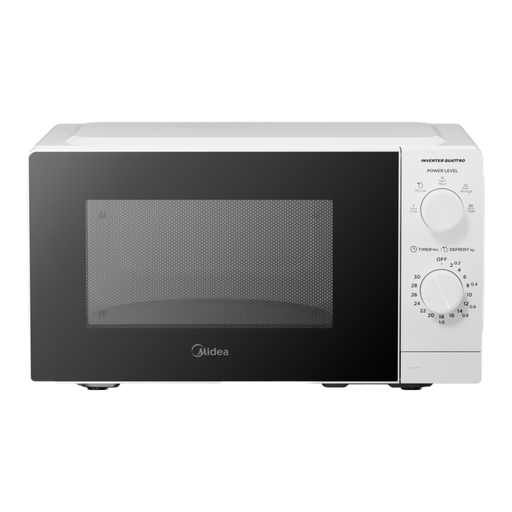 Image unavailable
Midea MMOP01MZ-WH Manual Solo Microwave, White
For users considering manual controls for short reheating stages, this 20L, 700W solo model is worth comparing with digital alternatives. Its name lists MET Inverter Technology and an energy-saving mode, but neither establishes how evenly it will heat gravy; check the turntable cleaning instructions if shared clean-up is a priority.
Joybuy
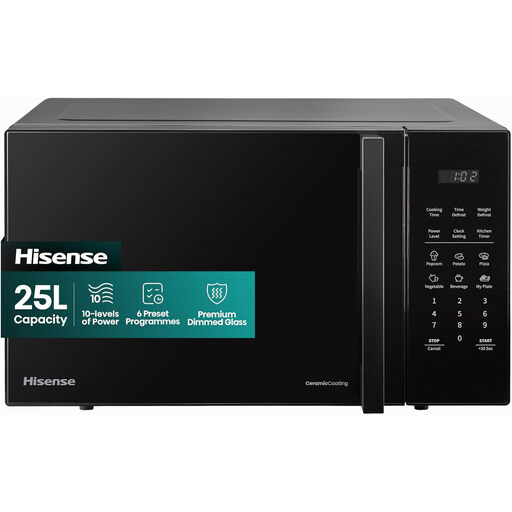 Image unavailable
Hisense H25MOBS7HUK Digital Solo Microwave, Black
Consider this model if the shared microwave must accommodate dishes beyond a small gravy jug. Its listed capacity is 25L and its output is 900W; check the external dimensions and timing controls against the available worktop and your reheating routine.
Joybuy
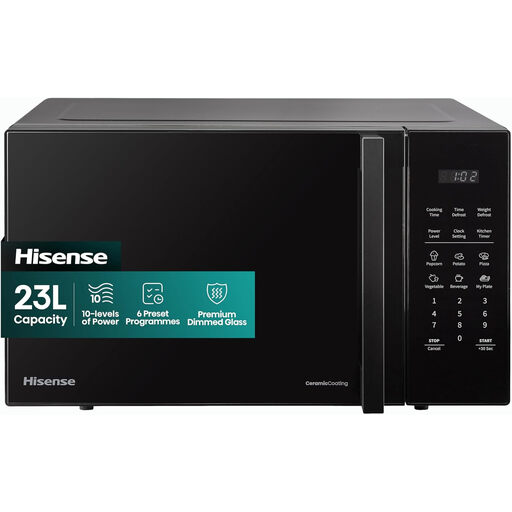 Image unavailable
Hisense H23MOBS5HUK Solo Microwave, Black
This 23L, 800W solo model is another option where several people may use the microwave for bowls or plates as well as gravy. Confirm the controls on the exact variant before buying: the product information describes the control type inconsistently. Check the timer range if you plan to heat in timed stages.
Joybuy
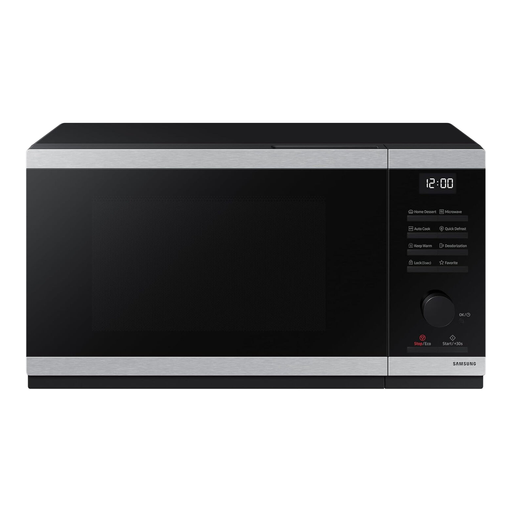 Image unavailable
Samsung MS23DG4504ATE3 Solo Microwave, Black with Stainless Steel Trim
For a shared kitchen where food smells and wiping down the appliance matter, consider the cleaning features alongside the heating controls. This is a 23L, 800W solo model with a named Triple Distribution System; that name does not establish even heating of gravy. Confirm the available power and timer controls if staged reheating is important.
Joybuy
Frequently asked questions
How should I reheat onion gravy in a microwave?
Heat it until it is hot throughout, stirring during reheating and following any stirring or standing directions on the packaging. The Food Standards Agency warns that microwaved food may be hot at the edges but cold in the centre, so check more than one area before serving.
Do I need a grill or convection microwave for gravy?
No: a solo microwave provides the basic reheating function needed for gravy. Consider grill or convection modes if shared users also intend to use those cooking functions regularly.
Can I plug the microwave into an extension lead?
Electrical Safety First advises against powering a microwave from an extension lead. Arrange a suitable wall socket for the appliance, and do not use a damaged plug or cable.
What should I use to hold gravy while reheating it?
Use a container marked as microwave-safe, with enough room to stir the gravy safely. Check any container instructions, including limits on microwave use, and avoid metal or packaging not intended for microwave heating.
How should a shared microwave be kept clean?
Wipe up gravy splashes after use and clean the cavity and turntable regularly according to the manufacturer's instructions. A removable turntable or odour-control setting may make upkeep more convenient, but it does not replace cleaning.


