Quick single-portion reheaters
If you usually heat one plate or a small bowl of cooked carrots, straightforward controls and enough room for your usual dish matter more than extra cooking modes.


For a small bowl of cooked carrots, a solo microwave with adjustable power and room for your usual dish is generally enough. If you regularly reheat larger portions, consider a larger turntable and whether inverter or sensor-reheat controls would be useful; choose a grill model only if you also want to brown other foods. Whichever type you choose, stir the carrots where suitable and check that they are steaming hot throughout.
If you usually heat one plate or a small bowl of cooked carrots, straightforward controls and enough room for your usual dish matter more than extra cooking modes.
Larger bowls, several servings or mixed leftovers make dish fit especially important. Inverter or sensor-reheat features may also be worth considering, though you still need to stir and check the food.
A grill microwave is relevant if you also want to brown or crisp other dishes. That function is not needed simply to warm cooked carrots.
Start with the portion and dish you normally use, then decide whether easier control of repeated reheating or a separate browning function justifies a different type of microwave.
| Concern | What to check | Who this matters to |
|---|---|---|
| Simple, compact reheating | Check that your covered bowl or plate fits the turntable, and choose controls and power settings you can use comfortably. | If I usually heat one small serving, I want to set the microwave without paying attention to cooking modes I will rarely use. Around 45% of consumers put straightforward small-portion reheating first. |
| Larger or repeated portions | Compare turntable and cavity dimensions; check whether an inverter or sensor-reheat programme is included and what foods it covers. | When I reheat a family bowl or mixed leftovers, fitting the dish and checking the middle for cold spots are my main concerns. Larger-portion reheating is the primary need for around 33% of consumers. |
| Browning other dishes | Check for a grill and suitable combination settings only if you plan to use them for foods that need surface browning. | If I also prepare dishes that I want to brown or crisp, I may use a grill beyond ordinary vegetable reheating. Around 22% of consumers place that broader cooking need first. |
A compact cavity can hold a portion of carrots while still being too small for your usual covered bowl or square dish to rotate freely.
Measure the dish you actually use and compare its shape and base with the manufacturer's turntable and cavity dimensions.
Food Standards Agency guidance warns that microwaved food can be hot at the edges but cold in the centre. An inverter or sensor-reheat feature does not remove that risk.
Stir where suitable, follow any standing instructions and check that the carrots are steaming hot throughout before serving.
A grill supplies surface browning, which is a different task from warming already-cooked carrots.
Consider a grill or combination microwave if you will use browning for other dishes; otherwise, compare solo models against your dish size and control needs.
A bowl of leftovers may feel hot at the edges while food in the middle remains cooler. Food Standards Agency guidance calls for food to be steaming hot when reheated.
Stir the carrots where suitable and check the middle as well as the edges before serving.
Panasonic has solo inverter and grill models relevant to larger-portion reheating or cooking tasks that need browning.
The RHM2027 is a manual solo-microwave example for shoppers who prefer straightforward controls and a compact cavity.
Samsung has solo-microwave models with differing features and installation formats, including the freestanding MS23T5018AC and built-in MS22M8254AK.
These solo microwaves offer choices for reheating cooked carrots and other leftovers, from compact 20L models to larger-capacity options. Compare the dish space and controls of the individual model rather than assuming that capacity alone determines fit.
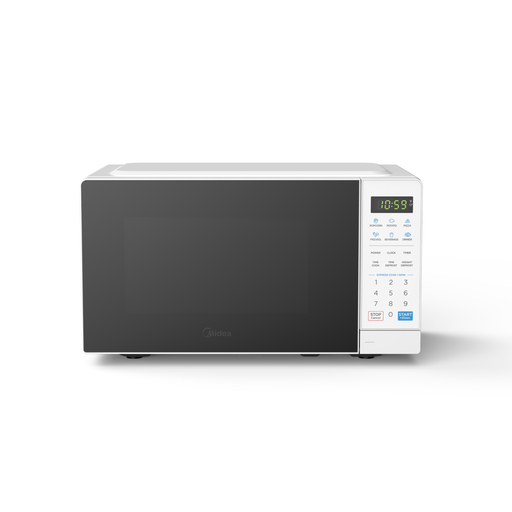 No image available
A compact solo option for reheating a small serving when your usual dish fits.
The product name lists digital controls and a 245mm turntable. Measure a covered bowl or plate against that diameter before choosing it.
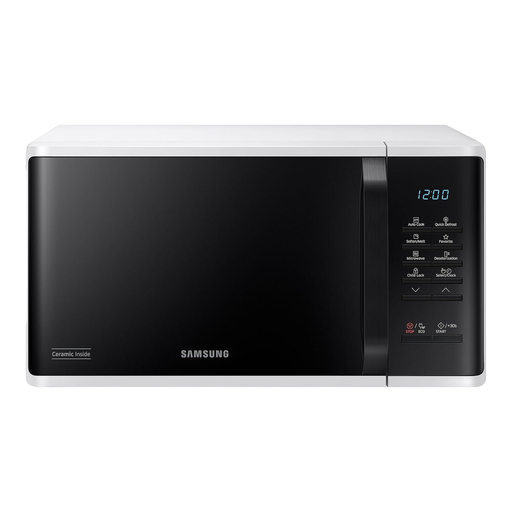 No image available
A solo model to consider for everyday reheating without a grill function.
The product name lists a Triple Distribution System; that feature does not replace stirring and checking the food. Confirm that your usual dish fits before buying.
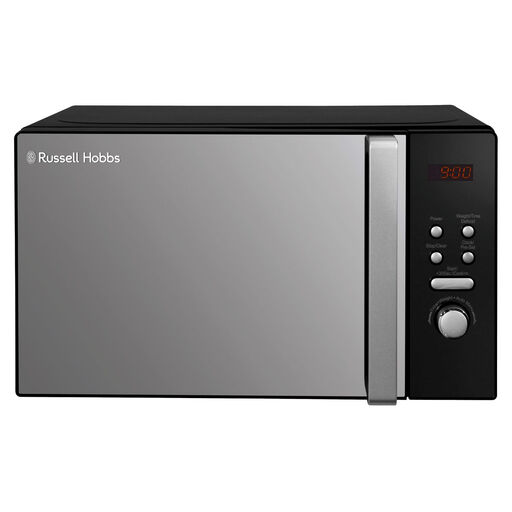 No image available
A compact choice for small portions when you want to adjust reheating power yourself.
The product name specifies five power levels. Check that the dish you normally use fits before choosing a 20L model.
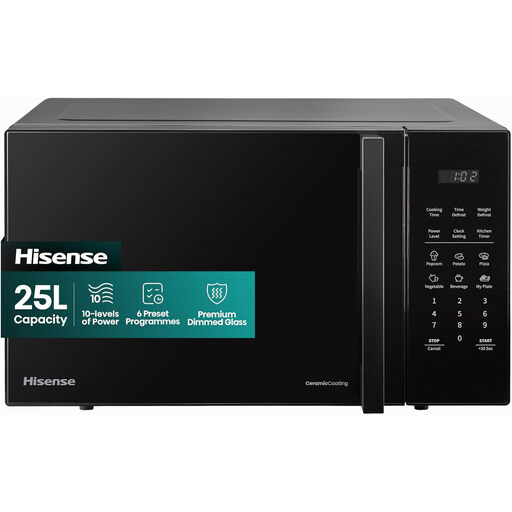 No image available
Consider this 25L solo model if you regularly reheat a larger bowl or plate, provided the dish fits.
The product name also lists Auto Defrost and Smart Cook. Check the turntable and external dimensions against your dish and available counter space.
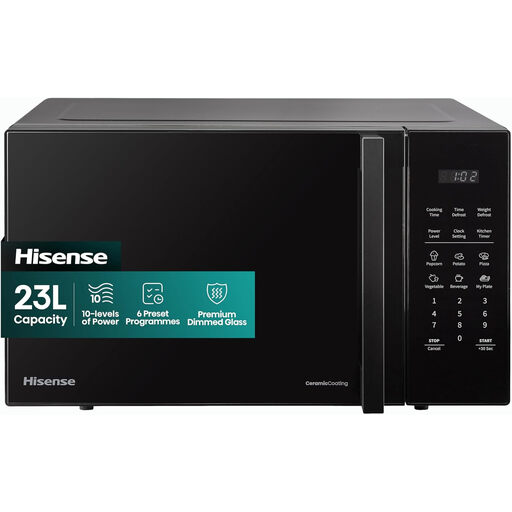 No image available
A mid-sized solo option for reheating cooked carrots without choosing a grill model.
The product name lists Auto Defrost and Smart Cook. If the way the microwave is operated matters to you, confirm the controls on this specific model before buying.
Use a microwave-safe dish, cover it loosely where appropriate and stir the carrots part-way through when suitable. Follow any standing instructions, then check that the food is steaming hot throughout, including in the middle, as advised by the Food Standards Agency.
No: a solo microwave with room for your dish and adjustable power can reheat cooked carrots. An inverter or sensor-reheat model is worth considering if you frequently heat larger portions or mixed leftovers, but you should still stir and check that the food is hot throughout.
A grill is not needed for ordinary reheating. Start with microwave-only heating unless you deliberately want surface browning, and consider a grill model mainly if you will use that function for other dishes.
Follow NHS baby-food guidance: heat the food until it is steaming hot throughout, stir microwave-heated food to remove hot pockets, then let it cool and check its temperature before feeding. The NHS also advises reheating already-cooked food for a child only once.