Quick leftover reheaters
If you mainly warm single portions of cooked vegetables or other leftovers, a solo microwave is a starting point. The Food Standards Agency advises reheating food thoroughly so it is hot at the centre.


For a shared kitchen where the main task is reheating a bowl of cooked peas, start with a freestanding solo microwave rather than choosing grill or combination functions you do not plan to use. Check that your usual dish fits, that the appliance can be placed on the available worktop with the required clearance, and that its controls suit short heating intervals. Stir the peas and make sure they are steaming hot throughout before eating, in line with Food Standards Agency reheating guidance.
If you mainly warm single portions of cooked vegetables or other leftovers, a solo microwave is a starting point. The Food Standards Agency advises reheating food thoroughly so it is hot at the centre.
If the microwave will occupy a communal worktop, compare its external dimensions and interior space with the allocated spot and the bowls or plates people actually use. Panasonic’s NN-E28JM specifications illustrate why capacity, footprint and turntable diameter are separate measurements to check.
If the shared appliance must also grill, bake or roast, consider those functions separately from the peas-reheating task. Samsung UK’s buying guide distinguishes solo, grill and combination formats.
Decide whether reheating is the appliance’s main job, then check dish fit and worktop placement before considering extra cooking modes. A solo microwave covers the straightforward reheating use described in Samsung UK’s buying guide; grill and combination functions matter when people sharing it will use them for other cooking.
| Concern | What to check | Who this matters to |
|---|---|---|
| Single-portion reheating | Look for controls that let you set short heating intervals. Plan to stir the peas and check that they are steaming hot throughout, as Food Standards Agency guidance calls for thorough reheating. | When I usually heat one bowl, I want straightforward controls and a chance to check the food between intervals; around 50% of consumers put simple reheating first. |
| Worktop and dish fit | Compare external dimensions and the model’s placement instructions with the available space. Measure your usual dish against the cavity or turntable, allowing room to rotate where applicable. | With several people using a limited worktop, I need an appliance that fits the allocated spot and holds our usual dishes; around 33% of consumers make fit their primary concern. |
| Cooking functions | Ask whether anyone will regularly grill, bake or roast, rather than only reheat or defrost. Check the controls and cleaning involved in any added modes. | If the microwave must also cover other cooking tasks, I would consider a grill or combination model; around 17% of consumers put that versatility first. |
Samsung UK and Which? describe solo microwaves as suitable for basic heating, while grill and combination models add other cooking functions. Those functions do not help decide whether a bowl of peas has been reheated thoroughly.
Start with a solo model unless the people sharing the kitchen also expect to use the added modes regularly.
A capacity in litres does not tell you whether your widest plate can rotate inside a particular microwave.
Measure the dish and compare it with the model’s turntable diameter or internal dimensions. Check the external footprint separately.
The Food Standards Agency advises reheating food thoroughly so it reaches a safe temperature at the centre. A warm bowl or surface alone is not the check to rely on.
Use a microwave-safe container, stir the peas during heating and check that they are steaming hot throughout before eating.
External dimensions do not include the space a particular model may require for placement and ventilation.
Measure the allocated worktop and follow the exact model’s installation and clearance instructions.
A reference point for comparing the stated measurements of a compact solo microwave.
Useful to consider when comparing solo, grill and combination formats.
A brand to consider when comparing freestanding microwaves for straightforward shared-kitchen reheating.
A brand to consider when comparing microwave formats and model-specific features.
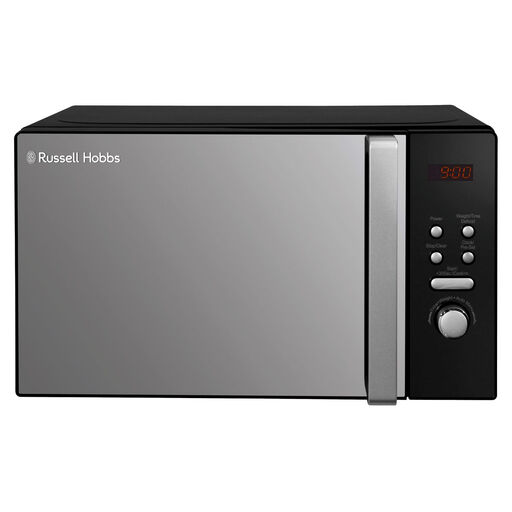
These Joybuy solo microwaves are relevant when reheating a portion of cooked peas is the main task. Compare each model’s stated capacity and output, then check your dish measurements and the placement instructions for your shared worktop.
 No image available
A solo option for reheating single portions on a shared worktop. The product name states 20 L capacity and 800 W output; check your dish against the model’s interior measurements and follow its placement instructions.
 No image available
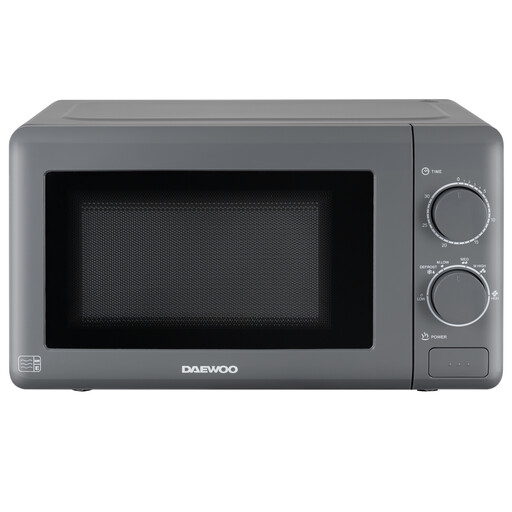
A manual-control solo model to consider for straightforward reheating. The product name states 20 L capacity and 800 W output; confirm the exact power settings before buying, and check that your dish and allocated worktop suit the model.
 No image available
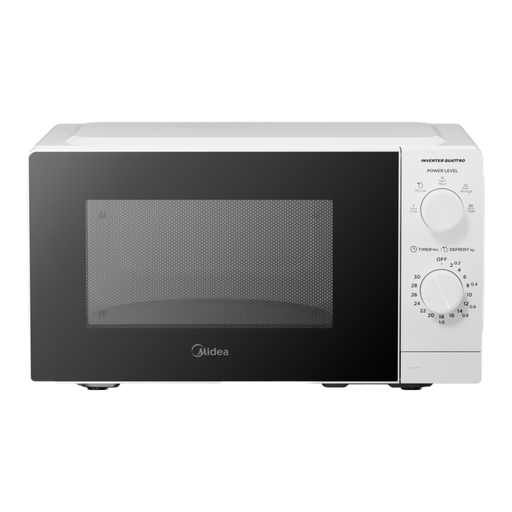
A manual solo option for heating a small portion without choosing grill or oven functions. Its product name states 20 L capacity and 700 W output; measure your usual bowl and confirm the turntable size and placement clearances for this model.
 No image available
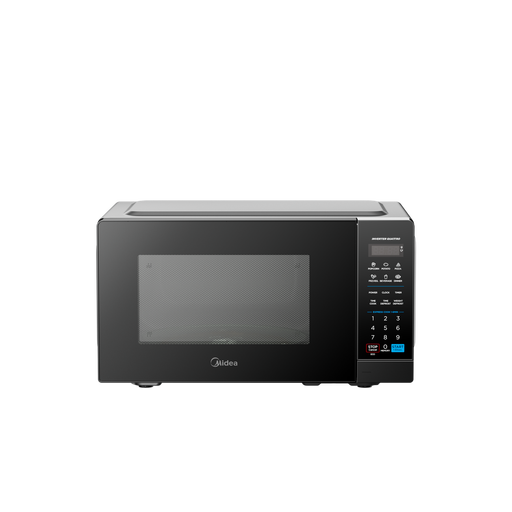
A solo model to consider when the shared appliance is mainly for reheating and defrosting. The product name states 20 L capacity and 700 W output; confirm its control settings and compare your dish and worktop measurements with the exact model.
 No image available
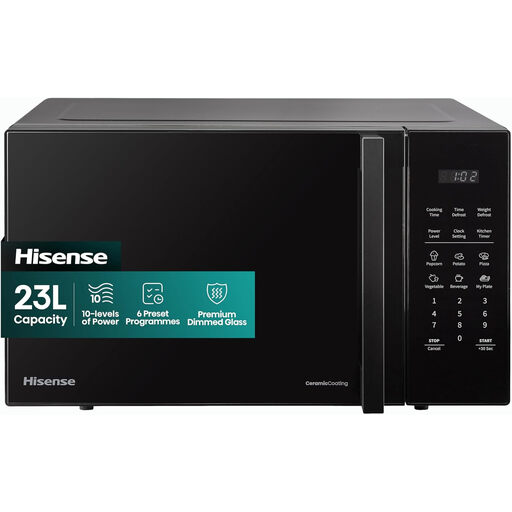
A solo option to assess if your usual dishes need more room than a smaller cavity provides. Its product name states 23 L capacity and 800 W output; verify the supplied model’s control type, dish fit and required worktop clearance.
Yes, a freestanding solo microwave is a suitable starting point when reheating is the main job. Samsung UK and Which? describe solo models as suited to basic heating; consider grill or combination functions only if the shared kitchen will use those other cooking modes.
Heat them in a microwave-safe container, stir during heating and check that they are steaming hot throughout before eating. The Food Standards Agency advises reheating food thoroughly, including at the centre, rather than merely warming it.
Measure its widest point and compare it with the microwave’s stated internal dimensions or turntable diameter. If the model has a turntable, the container also needs room to rotate freely; compare external dimensions with the available worktop separately.
Not necessarily: choose by the dishes and portions people will actually use, not capacity in litres alone. Panasonic specifies a 20 L cavity and 255 mm turntable for its NN-E28JM, but those model-specific figures cannot establish whether your own bowl fits without measuring it.