Owner with a small cottage kitchen
If the main jobs are reheating individual bowls of soup, drinks and leftovers, a compact solo microwave is a sensible starting point. Check the worktop and the crockery before settling on a capacity.


For reheating vegetable soup in a holiday cottage, start with a freestanding solo microwave rather than adding grill or combination functions. A 20L model may be enough for individual bowls if the crockery and appliance fit; consider a larger cavity for regular group servings. In a paying holiday let, straightforward guest instructions and the property’s fire-safety arrangements matter alongside capacity.
If the main jobs are reheating individual bowls of soup, drinks and leftovers, a compact solo microwave is a sensible starting point. Check the worktop and the crockery before settling on a capacity.
When different guests use the appliance, clear controls, cleaning instructions and a routine for checking reheated food become important. For paying guest accommodation, consider the microwave within the property’s wider fire-safety arrangements.
If guests use large bowls or serving dishes, compare cavity and turntable measurements rather than choosing by litre capacity alone. The appliance also needs to fit its intended worktop position.
For soup reheating, check the bowl and installation space first, then decide how simple the controls and cleaning need to be for guests.
| Concern | What to check | Who this matters to |
|---|---|---|
| Compact solo reheating | Check exterior dimensions, ventilation clearance, cavity space and turntable diameter against the intended position and bowl. | If I usually heat one bowl of soup, I want a solo microwave that fits the kitchen without adding cooking functions I will not use. Around 42% of consumers put compact basic reheating first. |
| Simple guest use | Look for understandable time and power controls, accessible cleaning instructions and a practical way to clean the cavity. | With different guests using the kitchen, I need controls they can understand and a cleaning routine I can manage between stays. Simple shared-kitchen use comes first for around 33% of consumers. |
| Larger servings | Measure the largest microwave-safe dish and compare it with the cavity, turntable and available worktop space. | When several portions need reheating, I need room for the serving dish more than the smallest possible appliance. Around 25% of consumers prioritise larger-serving capacity. |
Grilling, browning and oven-style cooking do not address the basic need to reheat soup. The product information describes solo microwaves as suitable for reheating food and drinks.
Choose a grill or combination model only if the cottage will also use those additional cooking functions.
Capacity alone does not tell you the turntable diameter, usable cavity shape or space the appliance occupies on the worktop.
Measure the dishes guests will use and compare them with the exact model’s cavity, turntable and exterior dimensions.
Microwave heating can be uneven. GOV.UK food-hygiene guidance for businesses says reheated food should be steaming hot all the way through and reheated only once.
Follow any applicable food instructions, stir the soup carefully where suitable and check that it is steaming hot throughout before serving.
For small paying guest accommodation, the Home Office’s fire-safety guidance addresses the responsible person’s wider arrangements; choosing an appliance is only part of the task.
Include the microwave in the property-specific fire-risk assessment, guest instructions and maintenance arrangements.
Panasonic offers named solo models spanning compact reheating and larger-dish use.
Samsung’s MS23K3513AK is a 23L solo option for buyers considering a mid-size cavity.
The RHMT2004B is a straightforward freestanding model for basic reheating.
These solo microwaves include 20L choices for basic reheating and 23L choices to consider when larger dishes are a regular need. Check bowl fit and installation space for each model.
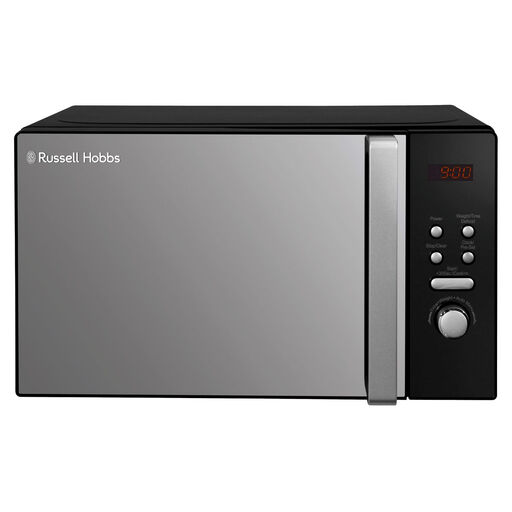 No image available
A 20L solo choice to consider for individual bowls of soup in a cottage kitchen.
800W output and five power levels are stated in the product name. Check the bowl against the turntable and cavity, and allow the required installation clearance.
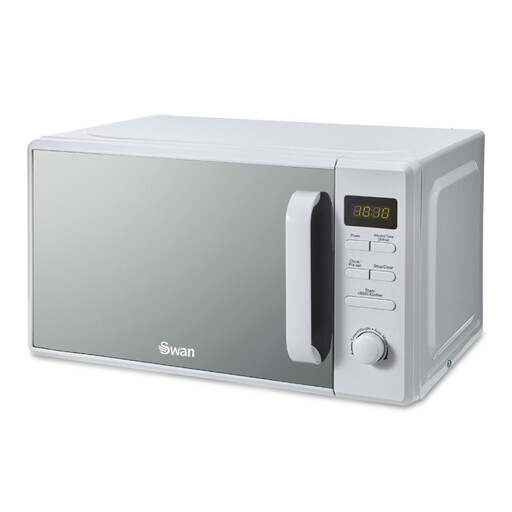 No image available
Consider this 20L solo model when the cottage mainly needs basic soup reheating.
Its product name states 800W output, five power levels and a 95-minute timer. Compare your soup bowl with the cavity and turntable dimensions before choosing it.
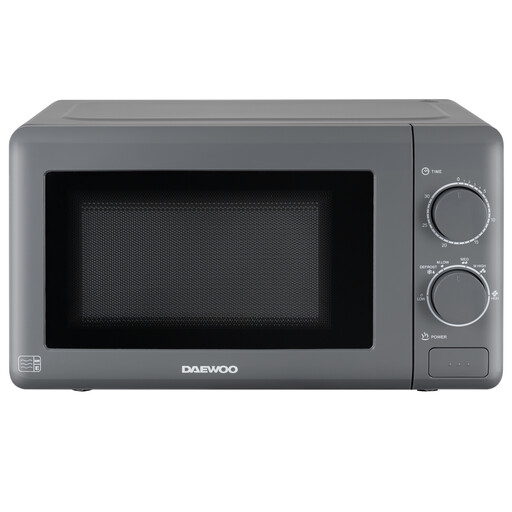 No image available
Manual controls may suit a cottage where guests need a straightforward way to reheat a serving.
The product name specifies 20L capacity, 800W output, five power settings and defrost. Check bowl clearance and the appliance’s installation requirements.
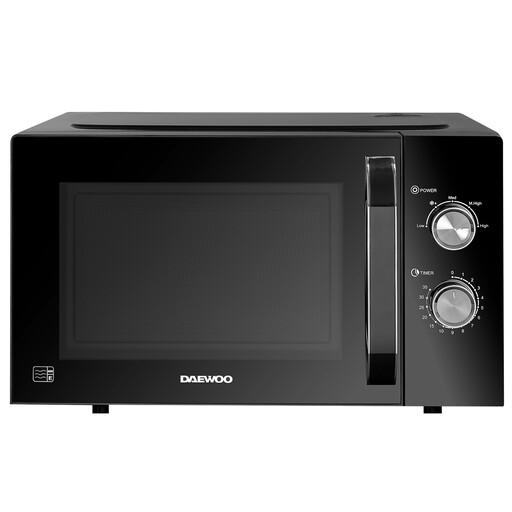 No image available
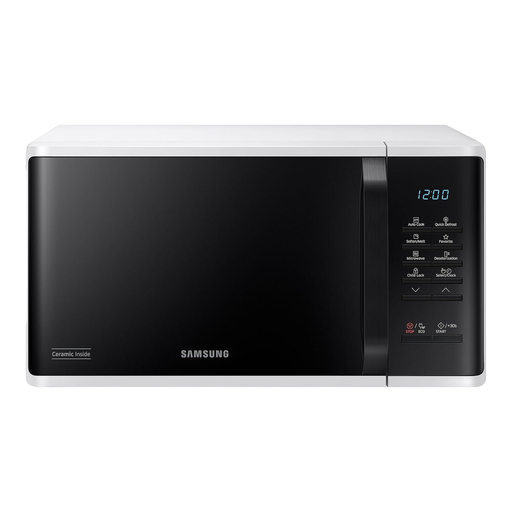
Its 23L capacity makes this a model to consider when guests regularly use larger bowls or dishes, provided they fit.
The product name specifies 800W output, manual controls, five power settings and auto defrost. Confirm the exact dish fit and exterior dimensions for the intended worktop position.
 No image available
This 23L solo model is another option to assess for cottages that regularly use larger soup bowls.
Its product name specifies 800W output and a Triple Distribution System. Confirm the intended bowl’s fit and the appliance’s worktop clearance rather than relying on capacity alone.
Yes, a solo microwave suits a cottage whose main jobs are reheating soup, drinks and leftovers. The product information describes solo models as suitable for reheating; consider grill or combination functions only if guests also need browning or oven-style cooking.
Choose by the dishes and worktop space rather than capacity alone. Panasonic specifies a 255mm turntable and 440 × 324 × 258mm exterior dimensions for its 20L NN-ST21QWBPQ; consider a 23L model if larger dishes are regularly needed, and check that the exact model fits.
Check that the soup is steaming hot all the way through, not merely warm on the surface. GOV.UK food-hygiene guidance for businesses also says food should be reheated only once; follow applicable food instructions and stir carefully where suitable to help address uneven heating.
Yes. The Home Office’s guidance for small paying guest accommodation places appliance use within the property’s wider fire-safety arrangements. The responsible person should consider the microwave in the property-specific fire-risk assessment, guest instructions and maintenance arrangements.