Everyday leftover reheaters
If you usually warm one cooked sweet potato or a plate of leftovers and do not need a browned skin, a solo microwave addresses the main task. Samsung describes solo models as suitable for reheating.


A solo microwave is sufficient for reheating cooked sweet potato if your usual dish fits and you check that the centre is steaming hot. Consider a larger solo model when you need space for wider cookware or want its particular controls; choose a grill or combi microwave if you will also use its browning or other cooking functions.
If you usually warm one cooked sweet potato or a plate of leftovers and do not need a browned skin, a solo microwave addresses the main task. Samsung describes solo models as suitable for reheating.
If you reheat larger portions or use wider cookware, check usable cavity space and the turntable diameter, not just the stated capacity. Panasonic’s NN-ST65QBBPQ illustrates a larger solo format with a 34 cm turntable.
If you also plan to grill or use convection cooking, those functions may justify looking beyond a solo microwave. Sharp’s YC-QC254AU-B is an example with microwave, grill and convection functions.
Choose when: You mainly want to heat a single sweet potato or plate of leftovers, without browning the skin.
Trade-off: A solo model lacks grill and convection functions; check that your usual dish fits its turntable or cavity.
Choose when: Wider cookware and the selected model’s reheating controls matter more to you than browning.
Trade-off: Check its external dimensions. Panasonic’s even-heating description for the NN-ST65QBBPQ is a manufacturer claim, not a guarantee for every inverter model.
Choose when: You expect to use browning, grilling or convection cooking as well as microwave reheating.
Trade-off: The additional modes and controls are unnecessary if you only want sweet potato heated through.
| Concern | What to check | Who this matters to |
|---|---|---|
| Heating through | Look for adjustable power and controls that let you pause and continue heating. Check the thickest part before serving. | If the outside feels hot before the middle does, I need a way to keep heating and check the centre. Around 44% of consumers would put hot-through reheating first. |
| Dish fit and controls | Compare your usual plate with the turntable or flatbed cavity, and check the appliance’s external dimensions and controls. | For an everyday single portion, I want my usual dish to fit without making the controls a chore; around 33% of consumers would prioritise simple fit and use. |
| Browning | Check for a grill if browning matters, or convection if you also intend to use that cooking mode. | I want more than a hot sweet potato and expect to use a browned finish or other cooking modes. Browning and extra functions would come first for around 23% of consumers. |
Samsung describes solo microwaves as suitable for reheating. A grill or combi model adds functions for browning or other cooking tasks, rather than making those functions necessary for heating cooked sweet potato.
Decide whether you will actually use a browned finish, grilling or convection cooking before choosing those modes.
A stated capacity does not tell you whether a particular plate or lidded container will fit on the turntable or within the usable cavity.
Measure your usual microwave-safe dish and compare it with the model’s turntable or flatbed dimensions. Check the external dimensions and required ventilation clearance too.
Microwave heating can be uneven. GOV.UK advises checking that food is steaming hot before serving, while Food Standards Agency guidance notes that standing and stirring, where applicable, help food heat evenly.
Check the thickest part of the sweet potato. Turn it during reheating where practical, follow any standing-time instructions and continue heating if the centre is not steaming hot.
Reheating does not replace appropriate storage. GOV.UK guidance for England, Northern Ireland and Wales advises cooling cooked food and placing it in the fridge within one to two hours.
Refrigerate cooked sweet potato promptly and follow any applicable storage instructions before reheating it.
A reference point for larger solo microwaves with model-specific reheating controls.
A reference point for comparing a compact microwave with grill against a larger flatbed combi model.
Samsung’s buying guidance can help distinguish solo, grill and combi formats before you compare individual appliances.
These solo microwaves are options for heating cooked sweet potato without a grill or convection mode. Compare the stated capacity and controls with your usual dish, and check each appliance’s worktop and ventilation requirements.
 No image available
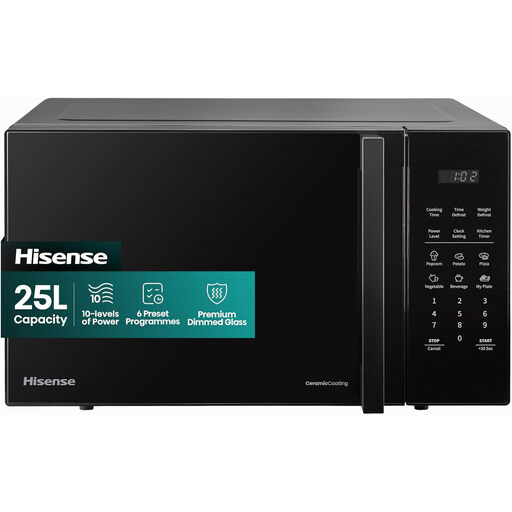
Consider this solo model if you reheat larger portions or use a wider dish. Its stated capacity is 25 L and microwave output is 900 W; compare your dish with the turntable and check the required ventilation clearance.
 No image available
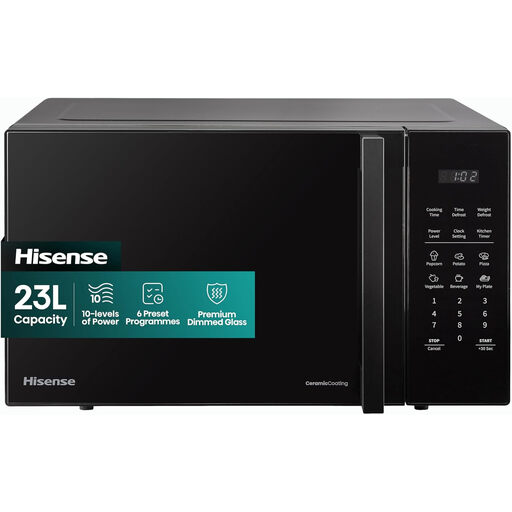
This solo model is an option for routine reheating when a 23 L cavity suits your dish. Its stated microwave output is 800 W. Confirm the control type for this variant and check the dish fit and ventilation requirements before buying.
 No image available
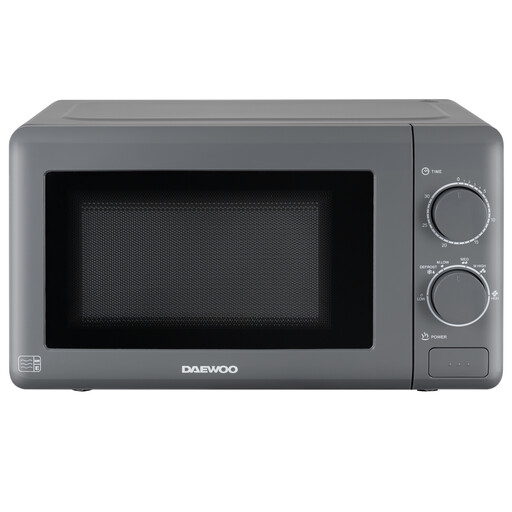
Consider the manual controls if you want a straightforward routine for reheating one portion. This model is listed at 20 L and 800 W, with a defrost function. Confirm its power settings and check that your dish fits before choosing it.
 No image available
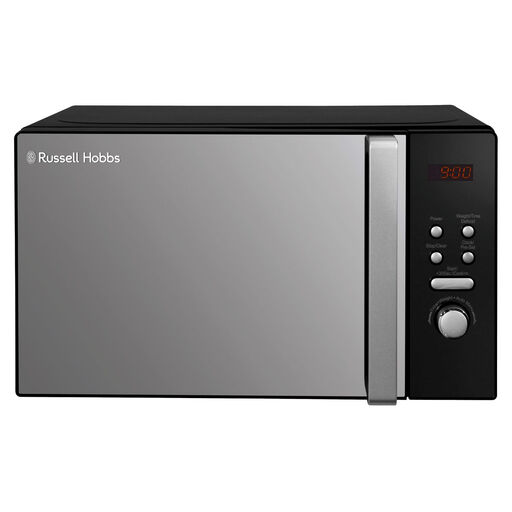
This is an option for a single portion if you prefer digital controls. The title specifies 20 L, 800 W and five power levels; compare your usual plate with the usable space and check ventilation requirements.
 No image available
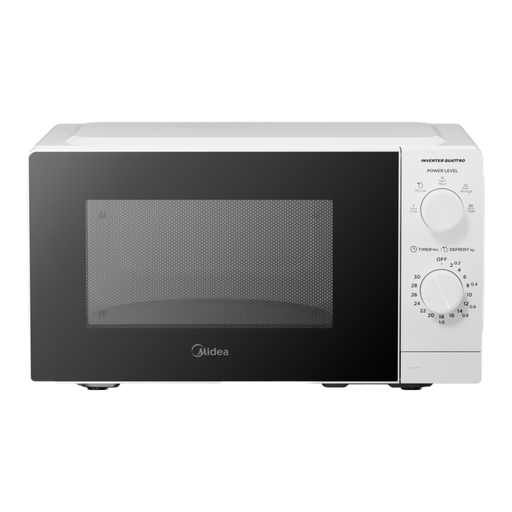
This manual solo model is an option for everyday reheating without additional cooking modes. Its title specifies a 20 L capacity, 700 W output and MET Inverter Technology; do not rely on the technology name alone to judge heating results. Check dish fit and ventilation requirements.
Yes, if the sweet potato is heated until steaming hot throughout rather than judged by its surface alone. Check the thickest part for cold spots and follow any applicable food-packaging instructions; a grill is not required for this reheating task.
Choose a grill or combi microwave if browning is a regular priority or you will use its other cooking functions. A solo microwave addresses hot-through reheating, but does not provide a grill function for browning.
Wattage alone does not tell you whether the centre of a cooked sweet potato has heated through. Choose controls that let you adjust and continue heating, then check that the thickest part is steaming hot before serving.
Cool it and refrigerate it promptly. GOV.UK guidance for England, Northern Ireland and Wales advises placing cooked food in the fridge within one to two hours; follow any stricter instructions that apply to the food.