
24/7 Customer Support

Free returns

Same-day & Next-day Delivery

Quality Guaranteed

Unlock Your Welcome Offers: FREE Delivery | Up to 80% OFF | Free 30-day JoyPlus trial
Download the APP
Microwave rice can turn a rushed weekday lunch or student dinner into a practical meal in minutes. However, not every ready-to-eat rice product suits every dish, appetite or dietary requirement. The pack size, rice variety, preparation method and ingredient list can make a noticeable difference to value and convenience.
This guide from the Joybuy Product Recommendation Officer explains the common buying pitfalls, the specifications worth checking and which options may fit different UK households.
A rice pouch may be ready in 90 seconds or two minutes, but that does not necessarily mean it provides a full meal. Many packs contain around 210–250g, while rice pots may be divided into two 125g or 130g portions. Check the net quantity and number of servings before comparing prices.
For one person, a single pouch can work as a main carbohydrate base. For a family dinner, several packs may be required, so multipacks can be more practical.
Long-grain basmati rice is generally suited to curries, grilled foods and classic side dishes. Jasmine rice offers a fragrant option for Thai-inspired meals, while short-grain or glutinous rice has a softer, stickier texture that works with Korean dishes, sushi-style bowls and some stir-fries.
A flavoured rice pouch can save preparation time, but it may not pair well with every sauce. Plain cooked rice gives you more flexibility if you regularly change between cuisines.
Flavoured rice may include ingredients such as butter, egg, sesame, soy or wheat. Always check the current packaging, particularly if you are vegetarian, vegan or managing an allergy. Product recipes and labelling can change.
Also look for the correct microwave wattage, film-piercing or pouch-opening instructions and post-heating guidance. A product designed for 800W may require a different time in a 1,000W microwave. Food should be heated according to the pack instructions and served piping hot where stated.
Choose the grain according to how you plan to use it:
Rice pouches are convenient for one larger serving and can be emptied directly into a bowl or pan. Rice pots often provide individual portions and can be useful for office lunches, packed cupboards or households where people eat at different times.
For portion control, look at the serving weight rather than relying on the product name. A two-pot pack may be more flexible than one large pouch because you can heat only what you need.
A plain cooked rice product may have a short ingredient list, such as rice, water and rice bran extract. Flavoured varieties often include oil, sugar, salt, vegetables, herbs or sauces. Compare the per-100g figures for energy, fat, saturates, carbohydrate, fibre and salt rather than comparing packs of different sizes.
If you follow a vegan or vegetarian diet, check for milk, egg, fish and other animal-derived ingredients. Gluten-free suitability should also be confirmed from the current label, even where a product description indicates that gluten is absent.
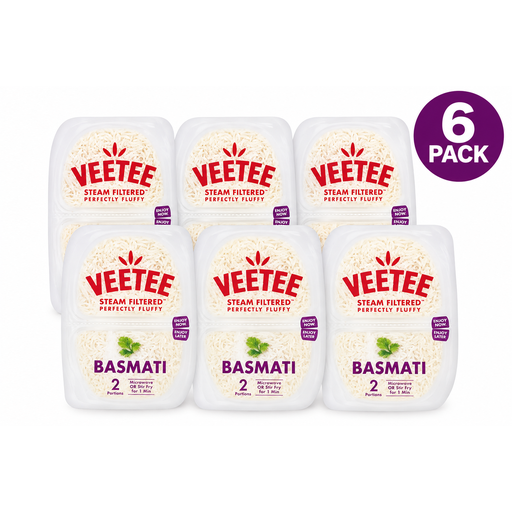
Why This Fits Their Persona: The multipack format gives students, new renters and small households several ambient portions to keep in the cupboard for quick curries, stir-fries and weekday sides.
The pack clearly states two 125g pots per pack and uses a straightforward cooked basmati rice recipe, making serving size and intended use easier to judge.
Basmati rice contains 97% cooked rice; the pots can be stored in a cool, dry place and refrigerated after opening.
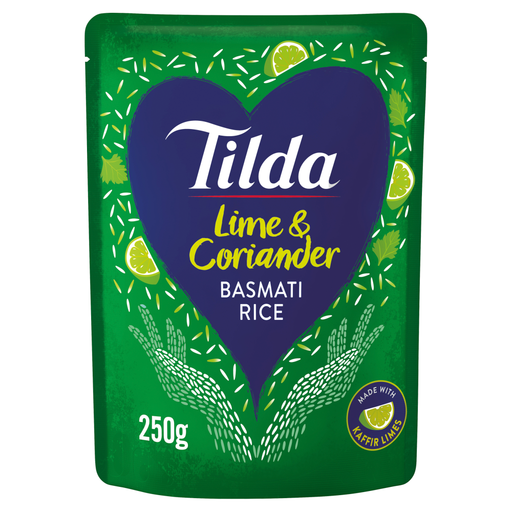
Why This Fits Their Persona: This suits shoppers who want a flavoured rice side without measuring spices, particularly alongside grilled vegetables, curry or plant-based dishes.
The ingredient list identifies the flavour components, including kaffir lime and coriander, while the 250g pack size makes the portion easier to assess.
Made with 90% natural basmati rice and listed as gluten-free, vegetarian and vegan; preparation takes two minutes according to the product information.
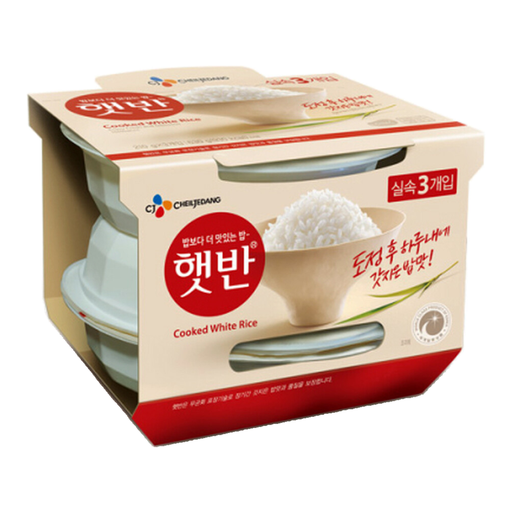
Why This Fits Their Persona: A practical choice for regular Korean-style meals, office lunches or family dinners where plain sticky rice is needed repeatedly.
The pack contains three individual 210g servings, reducing the need to open a large pack when only one portion is required.
The product information specifies 99.9% rice and a 90-second preparation time at 700W, with alternative instructions for higher-wattage microwaves.
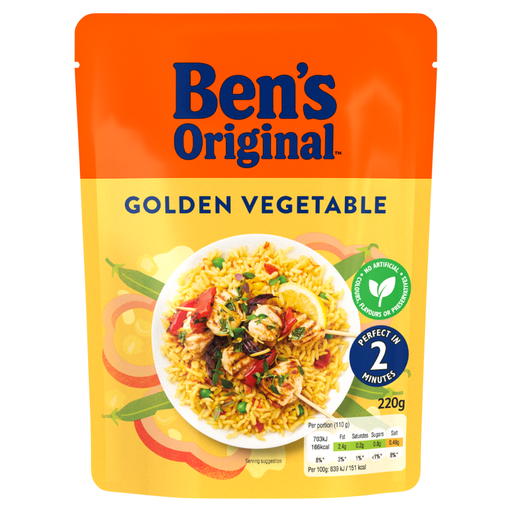
Why This Fits Their Persona: It offers a seasoned side with vegetables already included, helping busy workers and families assemble a meal with less chopping or cooking.
The product is a defined 220g pouch with named vegetables and clear microwave guidance, rather than an unspecified flavoured rice mix.
Contains steamed parboiled long-grain rice with peppers, carrots, sweetcorn and peas; the pouch is designed for two-minute microwave preparation.
We have compiled a complete, real-time list of products that fully satisfy these strict selection criteria and UK safety regulations.
Keep ambient microwaveable rice in a cool, dry place and follow the pack’s storage instructions. Once opened, refrigerate unused rice within the stated timeframe and consume it as directed. Some products specify immediate consumption after opening, while others allow refrigeration for up to 48 hours or three days.
Do not assume that every pouch can be heated in the same way. Some products require the film to be pierced, some need the pouch opened part-way and others must be heated only in their supplied container. Handle the pack carefully after heating because steam can escape and the packaging may be hot.
Most ready-to-eat rice, instant rice and microwaveable rice products are cooked before packaging. They need reheating rather than conventional cooking, but preparation and storage instructions differ by product. Check the label before heating.
Common preparation times range from around 60 seconds to two minutes, depending on the format and microwave power. For example, some rice pots specify 60 seconds at 800W, while other pouches require two minutes. Use the instructions on the specific product rather than applying a standard time.
The cost per serving is often higher than dry rice because you are paying for cooking, packaging and convenience. It can still offer practical value when you need a quick meal side, have limited kitchen equipment or want to avoid cooking a large batch. Compare the pack price, serving weight and storage life to find a suitable option.