
24/7 Customer Support

Free returns

Same-day & Next-day Delivery

Quality Guaranteed

Unlock Your Welcome Offers: FREE Delivery | Up to 80% OFF | Free 30-day JoyPlus trial
Download the APP
Microwave rice can turn a rushed lunch or weeknight dinner into a practical meal in minutes. However, not every pouch, pot or self-heating rice bowl suits the same situation. Portion size, preparation method, flavour, storage and allergen information can make a noticeable difference to value and convenience.
As the Joybuy Product Recommendation Officer, I focus on separating useful product details from broad marketing language. Here are the main pitfalls to avoid before choosing microwave rice, instant rice or other ready-to-eat rice products.
“Cooked rice” does not always mean “ready to microwave”. Some products require boiling or pan cooking, while others are designed for a microwave, self-heating container or direct serving. For example, Onisi Alpha Rice with Seaweed is a seasoned rice product but its listed instructions require water, a pan and simmering. It should not be treated as a microwave rice pouch without checking the packaging.
Look for clear preparation instructions stating the microwave wattage, heating time and whether the packaging should be opened or pierced.
A large bag of dry rice may have a lower cost per serving, but it requires water, cooking time, a hob or rice cooker and washing up. Microwave rice pots and pouches generally cost more per portion in exchange for speed and convenience.
Check the net weight per serving, not only the total pack size. A 250g pot, a 210g Korean rice bowl and a 125g rice pot serve different needs.
Flavoured rice can be a convenient side dish, but it may still need vegetables or protein to make a more substantial meal. Also, flavour names can hide ingredients that matter to your diet, such as milk, egg, fish, sesame, soya or wheat.
Always read the ingredient list and allergen statement. The information on product packaging should take priority if it differs from an online listing.
Microwave rice products commonly heat in around 60 to 120 seconds, depending on the product and appliance. Tilda Pots Butter and Sea Salt Jasmine Rice lists 60 seconds at 800W, while several pouch-style products list approximately two minutes.
Microwave power varies between UK appliances, so use the stated wattage as a starting point and adjust only as directed. Open hot packaging carefully because steam can cause burns. Some products must be emptied into a bowl, while others can be eaten from the pot after heating.
Self-heating rice bowls work differently. They use a separate heating pack and water rather than mains electricity, a hob or microwave. Zi Hai Guo bowls are listed at about 15 minutes using cold water. This is useful when a microwave is unavailable, but the heating container can become very hot and should be handled according to the instructions.
If you regularly cook for a family, a dry rice bag such as African Finest Jollof Rice may offer more servings per purchase, but it is not ready to eat and requires cooking.
Check whether the rice contains added oil, butter, salt, sauces or flavour enhancers. Tilda Butter and Sea Salt Jasmine Rice contains milk, while Ben’s Original Egg Fried Style Microwave Rice contains egg, milk and sesame. CJ white rice products list simple ingredients and no declared allergens, although packaging should still be checked for possible traces.
After opening, follow the storage window carefully. Depending on the product, unused rice may need refrigeration and consumption within 24–48 hours or a few days. Self-heating bowls should generally be consumed immediately after heating and not reheated. Never rely on an online shelf-life statement instead of the date and instructions printed on the pack.

Why This Fits Their Persona: Two individual pots provide simple portioning for students, couples or office lunches without opening a large pouch.
The two-pot format makes the serving size clear, while the product is specifically described as heat-and-eat rice rather than dry rice requiring a saucepan.
Cooked basmati rice; two 125g portions; no declared allergens in the supplied product information.
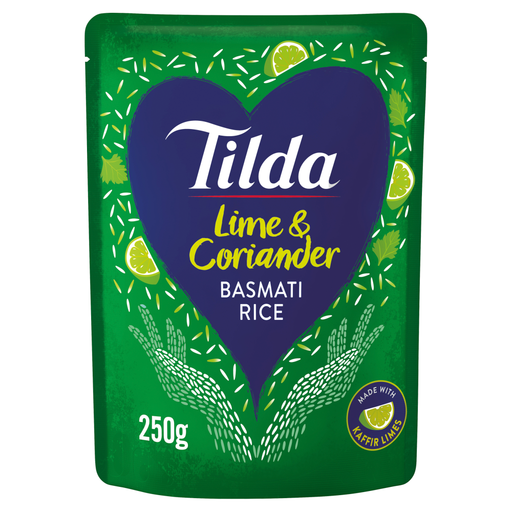
Why This Fits Their Persona: A flavoured basmati option for shoppers who want a ready-made rice side dish with less additional seasoning.
The listing identifies the rice variety, flavour ingredients and preparation time, helping you compare it with plain rice before buying.
250g pack; listed as gluten-free, vegetarian and vegan; includes lime, coriander and coconut cream.
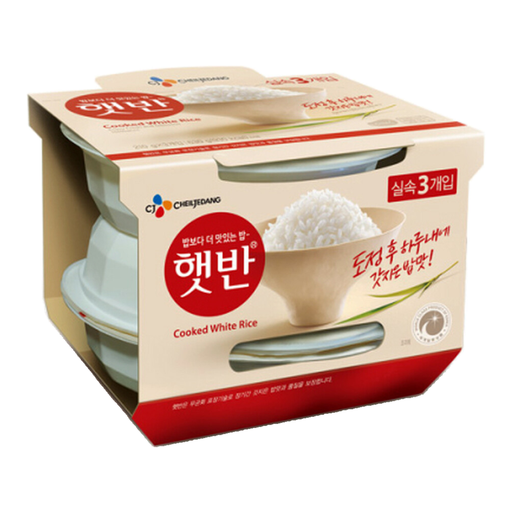
Why This Fits Their Persona: A practical multi-pack for families, shared households and Asian food enthusiasts who want plain Korean-style rice available at home.
The pack contains three separately portioned 210g servings and states microwave timings for different power levels.
Three individual servings; 90-second preparation is listed for some microwave settings; suitable for bibimbap, curry or soups.
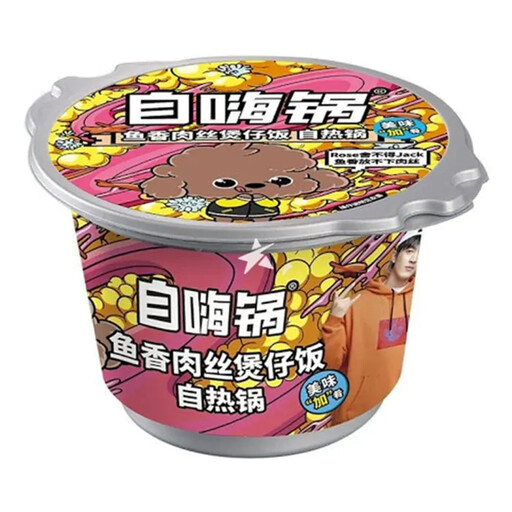
Why This Fits Their Persona: Designed for travel, overtime work or locations where a microwave, hob and cookware are not available.
It clearly uses a separate self-heating system and cold water, so it is not mistaken for an ordinary microwave pouch.
260g single serving; listed preparation time of about 15 minutes; includes rice, seasoning and vegetable components.
We have compiled a complete, real-time list of products that fully satisfy these strict selection criteria and UK safety regulations.
Some products state that they can be eaten cold, but this depends on the specific packaging and storage instructions. If you open a pouch or pot, refrigerate the unused portion where required and consume it within the stated time. Do not assume all cooked rice products have the same storage guidance.
Dry rice is often lower in cost per serving, particularly in large bags such as 10kg packs. Microwave rice can still offer practical value when you factor in preparation time, energy, portion control and reduced washing up. Compare price per 100g or per serving rather than pack price alone.