
24/7 Customer Support

Free returns

Same-day & Next-day Delivery

Quality Guaranteed

Unlock Your Welcome Offers: FREE Delivery | Up to 80% OFF | Free 30-day JoyPlus trial
Download the APP
Microwave rice can turn a rushed lunch or weeknight dinner into a practical meal in around one to two minutes. However, convenience products vary considerably in portion size, rice variety, ingredients and preparation instructions. The right choice for a student living alone may not suit a family, curry night or Korean-inspired meal.
Before adding a multipack to your basket, look beyond phrases such as “restaurant-style”, “freshly cooked” or “perfect texture”. These descriptions can distract from the details that affect value and usability.
A rice pot or pouch may look substantial, but the net weight and number of servings determine how much food you receive. Single-serve pots are convenient for work lunches, while 300g packs can be more suitable when you want a generous base for a stir-fry or shared meal. Always compare the total weight rather than the pack’s physical size.
Not every ready-to-eat rice product is designed for the same dish. Basmati rice is generally associated with separate, aromatic grains for curries, while short-grain or Korean rice tends to be softer and stickier. A product labelled “sticky” may work well with sushi-style dishes or Korean meals but feel unsuitable alongside a light curry.
Plain cooked rice can have a short ingredient list, but flavoured microwaveable rice may include oil, salt, dairy, egg, sesame, coconut or other ingredients. For example, butter and sea salt jasmine rice contains milk, while egg-fried style rice contains egg, milk and sesame. Check the latest packaging, particularly if you have an allergy.
Storage also matters. Ambient products should remain in a cool, dry place before opening. Once opened, follow the stated refrigeration and consumption period, and do not assume that every pouch or pot can be reheated in the same way.
Match the grain to your meal:
The ingredient list can help confirm what you are buying. CJ Microwavable Cooked Rice (White), for instance, lists cooked white rice and rice bran extract, while Otoki Delicious Rice 300g lists rice and rice bran extract.
Preparation times are usually based on a particular microwave power. A product may require 60 seconds at 800W, while another may specify two minutes at 700W. Follow the instructions on the pack and adjust carefully if your microwave has a different wattage.
Pots can be useful when you want a defined serving and less mess. Pouches are often practical for sharing into bowls or adding to a pan. Tear-and-share packaging, such as two 130g portions, allows one serving to be heated while the other remains unopened.
Compare salt, fat, calories and added ingredients when choosing between plain cooked rice and seasoned options. Plain rice gives you more control over sauces and toppings. Flavoured products can save preparation time but may contain oil, salt, spices or other allergens.
Check the packaging for the current allergen declaration and use-by or best-before information. Product details can change, so online descriptions should support—not replace—the label supplied with your order.
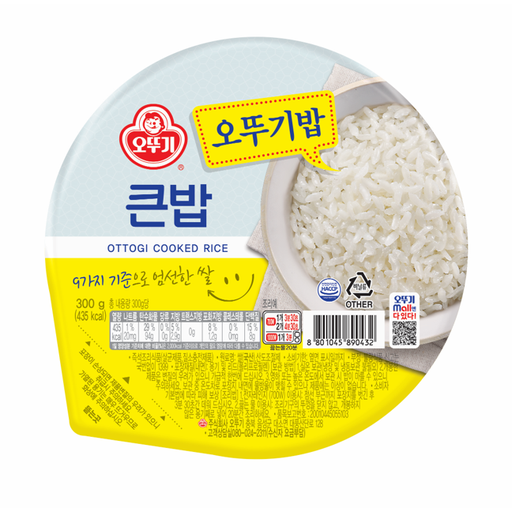
Why This Fits Their Persona: A single 300g pack gives students and first-time buyers a straightforward way to try Korean-style cooked rice without committing to a larger multipack.
The 300g net quantity is clearly stated, helping you judge value without relying on the outer packaging.
Rice and rice bran extract are listed ingredients; the country of origin is South Korea.
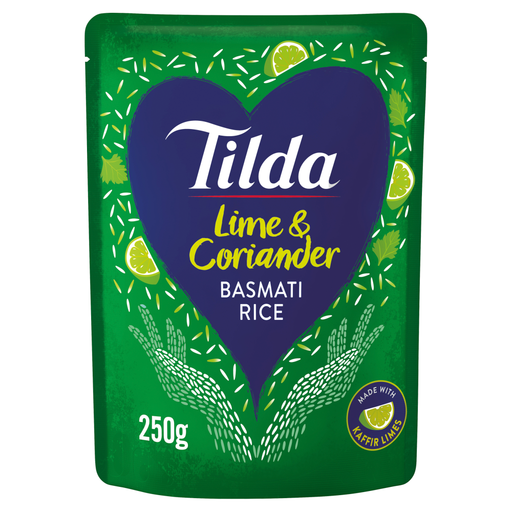
Why This Fits Their Persona: Suitable for shoppers who want a seasoned basmati accompaniment with less preparation for curry nights, packed lunches or quick vegetarian meals.
The product specifies a 250g quantity, a two-minute preparation time and clear storage guidance.
Made with steamed basmati rice, lime and coriander; the listing identifies it as gluten-free and suitable for vegetarians and vegans.
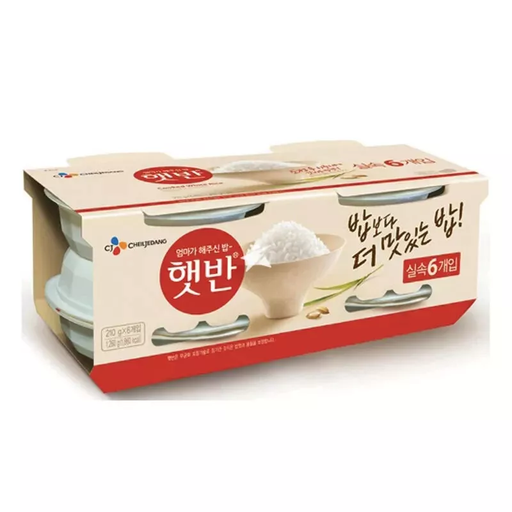
Why This Fits Their Persona: Six individual Korean rice bowls suit families, regular meal planners and Asian-food enthusiasts who want a repeatable staple for several meals.
Individual 210g servings make portion planning easier than opening a large bag of dry rice for every meal.
The pack contains six 210g portions and provides microwave and boiling-water preparation options.
We have compiled a complete, real-time list of products that fully satisfy these strict selection criteria and UK safety regulations.
Some products can be eaten cold, but this depends on the packaging instructions. If you want rice for a lunchbox or salad, check the label first. Otherwise, heat it thoroughly and serve promptly.
Unopened ambient microwave rice should be stored according to the stated best-before information. After opening, storage times vary: some products advise refrigeration and consumption within 24 or 48 hours, while others should be consumed immediately. Always use the product label as the final guide.
Dry rice is often more economical per serving, particularly for larger households with time to cook. Ready-made rice costs more for the convenience of pre-cooking, portioning and rapid preparation. Compare the price per 100g or per serving, then consider whether the saved preparation time justifies the difference for your routine.