Shared-kitchen leftover reheaters
If you mainly heat one portion of cooked vegetables or leftovers, a solo microwave offers the straightforward reheating function you need. Check that your usual microwave-safe bowl or plate fits.


For reheating cooked broccoli in a shared kitchen, start with a compact solo microwave if your usual microwave-safe dish fits and can rotate freely. Check worktop and ventilation space, straightforward controls and cleaning access; consider a flatbed if larger shared dishes regularly cannot rotate, rather than adding a grill just for broccoli.
If you mainly heat one portion of cooked vegetables or leftovers, a solo microwave offers the straightforward reheating function you need. Check that your usual microwave-safe bowl or plate fits.
In a communal kitchen, measure the space for the appliance and the clearance its instructions require. Compare those measurements with the microwave’s exterior dimensions, not just its stated capacity.
When several people use the microwave, consider how easily you can wipe the cavity and clean a removable turntable. A flatbed removes the turntable from that routine, but dish fit still needs checking.
Start with the dish and available worktop space, then compare controls and cleaning arrangements. A flatbed becomes relevant when a regularly used dish cannot rotate on a turntable.
| Concern | What to check | Who this matters to |
|---|---|---|
| Reheating controls | Look for a timer and power settings that housemates can use for short heating cycles. | When different people heat different portions, I want controls that make it easy to pause and stir the food. Around 31% of consumers put straightforward reheating controls first. |
| Worktop and dish fit | Measure the appliance space and required ventilation clearance; check that your usual dish can rotate freely. | If counter space is tight, a microwave that fits the worktop is little use if my usual plate catches inside it. Dish and worktop fit is the main concern for around 31% of consumers. |
| Shared cleaning | Check whether the turntable can be removed and how accessible the cavity is for wiping. | I do not want yesterday’s splashes left in an appliance everyone uses. Around 23% of consumers make cleaning and shared upkeep their primary concern. |
| Larger dishes | For a wide or rectangular dish, compare its dimensions with the usable cooking area; consider a flatbed if it cannot rotate. | If we regularly reheat a casserole-style dish, I need room for that dish rather than extra cooking modes. Larger-dish flexibility comes first for around 15% of consumers. |
A solo microwave handles straightforward reheating; a grill or combination model adds other cooking functions that are not needed to heat cooked broccoli.
Start with dish fit and reheating controls. Consider extra modes only if people sharing the kitchen will actually use them.
A stated capacity does not tell you whether your usual plate can rotate without catching the cavity wall.
Measure the widest microwave-safe dish you use and compare it with the turntable diameter or usable internal dimensions before choosing.
Food splashes are harder on everyone who shares an appliance, while blocked vents create a safety concern. Electrical Safety First advises keeping microwaves clean and ventilation openings clear.
Wipe spills promptly, clean the turntable or cavity regularly, keep vents unobstructed and use microwave-safe containers.
A manual-control solo option for straightforward reheating.
A compact solo option with timed controls and defrost capability.
A solo option for shoppers who want a stated turntable diameter to compare with their dishes.
A flatbed alternative to examine if larger shared dishes are a regular requirement.
These solo microwaves are options for reheating in a shared kitchen. Compare the size of your usual dish, available worktop space and preferred controls before choosing.
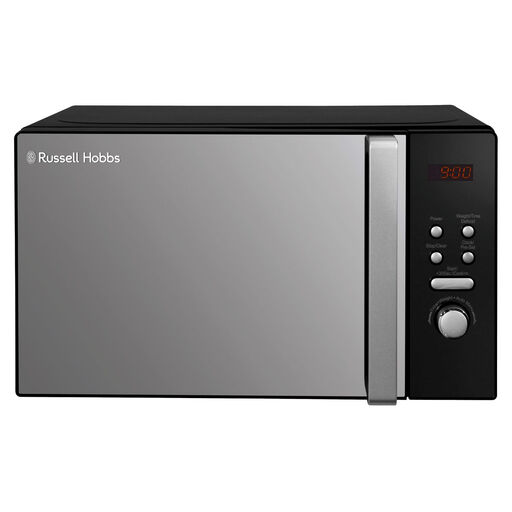 No image available
For shared reheating where digital controls appeal, this solo model has five power levels. Check that your usual dish fits and rotates freely.
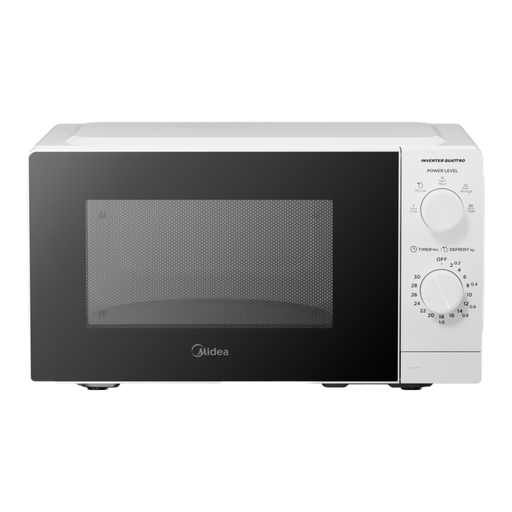 No image available
For consumers who prefer manual operation, this 20-litre solo model has 700 W output and is named with MET Inverter Technology. Check dish clearance and plug compatibility before buying.
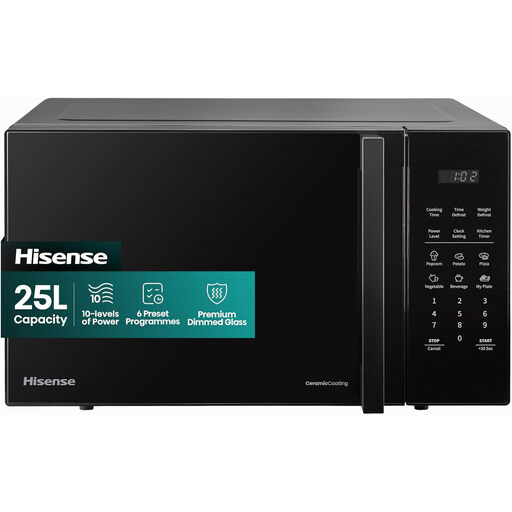 No image available
Consider this 25-litre model if a larger dish is part of your shared-kitchen routine. Its title specifies 900 W output and auto defrost; measure the worktop and check that your dish can rotate.
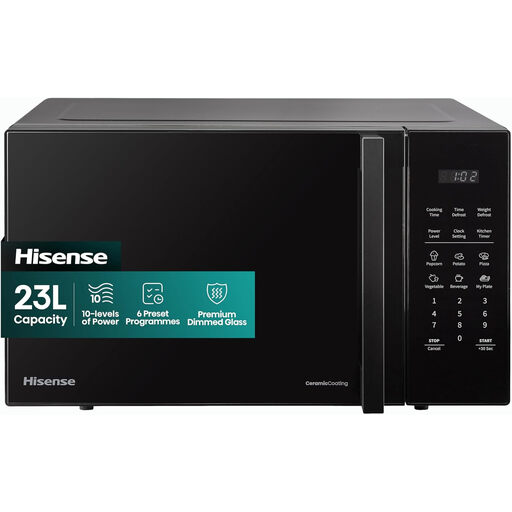 No image available
This 23-litre solo model is an option when a larger cavity matters for shared reheating. Confirm whether the supplied variant has touch controls or rotary dials, as the product information describes both.
 No image available
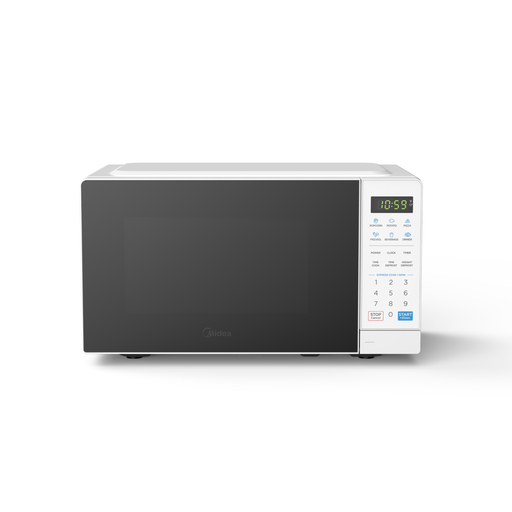
For a usual dish that can rotate on a 245 mm turntable, this model offers digital controls. Check its exterior dimensions, cleaning arrangements and plug compatibility against your shared-kitchen setup.
No: a solo microwave provides the heating function needed for cooked broccoli. Consider a grill only if the people sharing the kitchen also want its separate cooking function.
Use a microwave-safe container, pause to stir the broccoli and continue heating until it is steaming hot throughout. The NHS advises stirring microwave-reheated food and checking that it is steaming hot all the way through in its guidance on reheating baby food.
No: use a container marked microwave safe and follow the microwave’s instructions. Check that the bowl also fits with enough room to rotate if the appliance has a turntable.
Plan for a suitable nearby socket rather than relying on an extension lead. Electrical Safety First cautions that an extension lead can be overloaded when heating appliances are used alongside other high-power devices.