Single-portion reheaters
If you usually heat one plated serving, a compact solo microwave may be enough. Check that your everyday plate fits on its turntable and that the appliance fits the shared counter.


For one or two portions of cauliflower cheese, start with a solo microwave that fits your usual dish and the available worktop space: a compact 20L turntable model can suit a standard dinner plate, while a flatbed is worth considering for a broad or awkwardly shaped casserole dish. Larger models with sensor or inverter controls may appeal if you frequently reheat bigger portions, but those controls do not replace checking that the food is steaming hot throughout.
If you usually heat one plated serving, a compact solo microwave may be enough. Check that your everyday plate fits on its turntable and that the appliance fits the shared counter.
A wide or rectangular cauliflower-cheese dish may be awkward on a turntable. Compare the dish with the usable cavity dimensions; a flatbed removes the need for the dish to rotate.
If you regularly heat larger portions or share the appliance with several people, a larger cavity and additional controls may be useful, provided there is room for the appliance and its required clearances.
Check your dish and allocated counter space before comparing programmes. Whatever controls you choose, reheating and electrical safety still depend on how the microwave is used.
| Concern | What to check | Who this matters to |
|---|---|---|
| Dish and worktop fit | Measure your usual microwave-safe dish against the turntable or usable flatbed cavity, then check external dimensions, door access and installation clearances. | If my casserole dish cannot rotate freely, capacity in litres will not solve the problem; around 40% of consumers put dish and worktop fit first. |
| Thorough reheating | Check that the food is steaming hot through the centre, not just at the surface; follow pack instructions where applicable. | For a thick, chilled portion, I want to avoid a cool centre even when the edges look hot. Roughly 30% of consumers prioritise thorough reheating. |
| Shared-use upkeep and electrical setup | Consider how readily spills can be cleaned, and use a suitable wall socket rather than an extension lead. | When several people use the same microwave, I need spills dealt with promptly and a safe place to plug it in; about 30% of consumers make shared-use upkeep and electrical setup their primary concern. |
A compact turntable model may take a standard plate but not a broad casserole dish, even when its stated capacity sounds sufficient.
Measure the base of your usual microwave-safe dish and check that it will fit and rotate, or compare its dimensions with a flatbed cavity.
Sensor and inverter settings do not establish that cauliflower cheese is hot at the centre. GOV.UK food-hygiene guidance for businesses says reheated food should be steaming hot all the way through and reheated only once.
Check the middle before eating, and follow any applicable pack instructions.
Electrical Safety First advises against using an extension lead for a microwave; an overloaded lead can pose a fire risk.
Plan a suitable wall-socket position before buying, and check the shared kitchen’s rules for adding an appliance.
Spills make a shared cavity and turntable harder to keep clean.
Consider an easy-clean interior, cover the food with microwave-safe equipment where appropriate, and clean spills after use.
These brands illustrate different cavity sizes and layouts; compare the individual model with your dish and counter rather than treating a brand name as a measure of reheating performance.
Relevant if you are considering a flatbed cavity or a larger solo microwave with additional controls.
Relevant when comparing a compact turntable microwave with a larger flatbed layout.
Relevant for a compact solo format where straightforward cleaning matters.
Relevant if you mainly reheat one standard dinner plate in a compact solo microwave.
These solo microwaves offer compact and larger turntable options for reheating cauliflower cheese. Compare each one with your dish, the available counter space and the controls you want to use.
 No image available
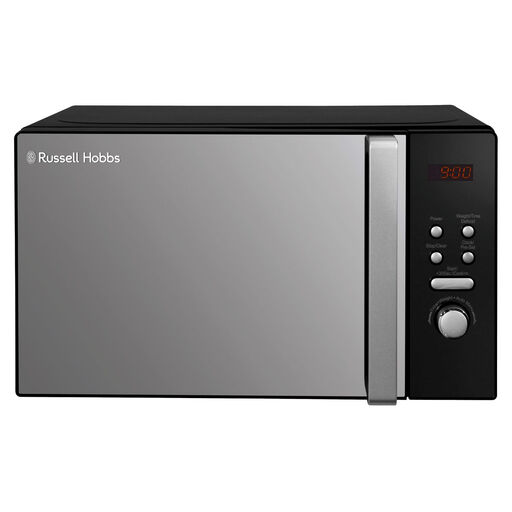
A compact option to consider when you usually reheat one standard dinner plate.
The Joybuy listing identifies a 20L capacity, 800W output and five power levels. Check that your cauliflower-cheese dish fits and rotates if you use something other than a standard plate.
 No image available
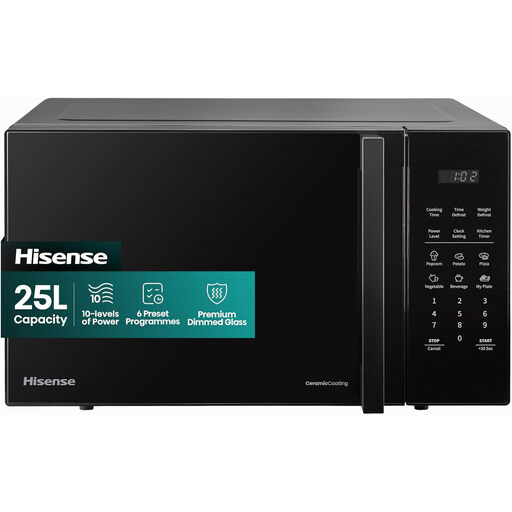
Consider this larger-capacity turntable option if you need room for a bigger round dish and have space on the shared counter.
The product name specifies 25L, 900W, auto defrost and easy-clean features. Check that your dish can rotate, and confirm the supplied appliance’s plug and electrical requirements before buying.
 No image available
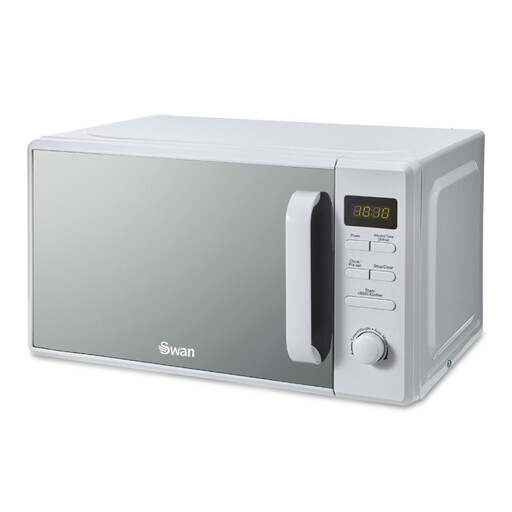
This 20L option is worth comparing if you mainly reheat a plated portion and want selectable power settings.
The product name specifies five power levels and a 95-minute timer. Check that your usual dish fits, confirm the turntable’s care instructions before washing it, and check the supplied appliance’s plug and electrical requirements.
 No image available
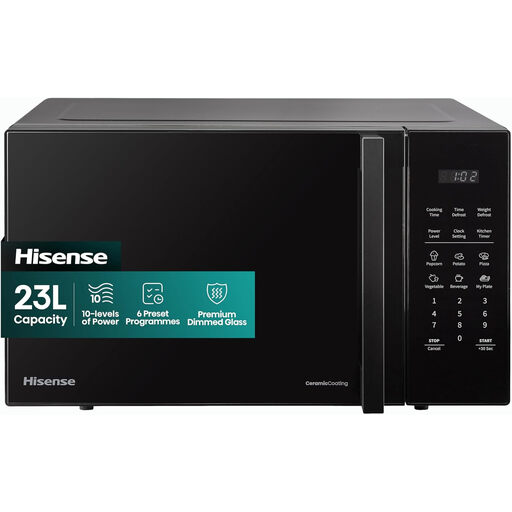
Consider this capacity if your dish needs more room than a compact plate-sized format, while still checking its fit on the turntable.
The product name specifies 23L, 800W and auto defrost. Confirm whether the controls on the supplied model are touch-operated or rotary, as well as its plug and electrical requirements.
 No image available
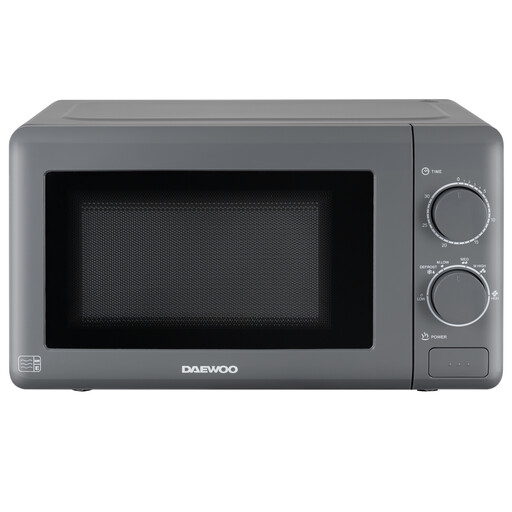
This manual-control model is an option for reheating a plated serving where a 20L format fits the shared space.
The product name specifies 800W output and a defrost function. Confirm that your dish fits its turntable, the power settings on the supplied model and its plug and electrical requirements.
No: a solo microwave can reheat cauliflower cheese without a grill. Choose grilling or combination functions only if you also want to brown the topping; those functions do not replace checking that the centre is steaming hot.
Check that it is steaming hot all the way through, including the centre rather than just the surface. GOV.UK food-hygiene guidance for businesses also says food should be reheated only once; follow any applicable pack instructions.
Electrical Safety First advises against powering a microwave through an extension lead. Plan to use a suitable wall socket, and check the plug and socket for signs of damage before use.
Use a dish marked as microwave-safe that fits inside the cavity and, for a turntable model, can rotate freely. Electrical Safety First advises against putting metal objects, foam trays or containers not designed for microwave use in a microwave.
Clean spills promptly and maintain the cavity and turntable according to the manufacturer’s instructions. Agreeing who cleans up after each use helps prevent cheese-sauce residue being left for the next person.