Frequent frozen-ingredient cooks
If you regularly thaw ingredients just before cooking, you may value clear defrost settings and instructions for handling food during the cycle.


For routine ingredient defrosting, start with a microwave whose defrost controls suit the foods and portions you use, and check that your usual dishes fit. Consider an inverter or flatbed model for its particular controls or layout; choose grill, convection or built-in features only if you also need those functions or that installation format. Follow the appliance instructions during defrosting and handle the food promptly afterwards.
If you regularly thaw ingredients just before cooking, you may value clear defrost settings and instructions for handling food during the cycle.
Your microwave needs to fit its intended worktop position as well as the bowls, plates and portions you normally use. Check external dimensions alongside the turntable or flatbed layout.
If you are replacing a fitted microwave, cabinet fit and installation instructions matter alongside the defrost controls on the exact model.
Start with the defrost controls you will actually use, then check dish fit and whether you need any cooking or installation features beyond defrosting.
| Concern | What to check | Who this matters to |
|---|---|---|
| Controllable defrosting | Check the exact model’s defrost programme, power settings and manual instructions for turning or standing food. | If I often thaw raw ingredients, I want enough control to deal with portions that warm unevenly. Around 33% of consumers put controllable defrosting first. |
| Simple operation | Look for clearly labelled defrost controls and check whether the programme accepts the food type and weight you use. | When defrosting is part of a routine meal, I would rather follow clear prompts than work out a time from scratch; roughly 25% of consumers prioritise ease of operation. |
| Dish and kitchen fit | Compare cavity space and turntable diameter or flatbed layout with your dishes; measure external dimensions and required clearances. | My usual container must fit without the appliance taking over the intended worktop space. For about 25% of consumers, fit is the main concern. |
| Other functions or fitted installation | Decide whether you will use grill or convection cooking, or need a built-in format; check the applicable installation instructions. | If I am replacing a fitted appliance or want broader cooking functions, defrosting is only part of my decision. Around 17% of consumers put those additional requirements first. |
Output power does not tell you how a model’s defrost programme handles a particular food type, weight or portion shape.
Check the manual for supported foods, weight entry, power choices and any turning or standing instructions. Treat claims about even thawing as specific to the model and conditions described by its manufacturer.
A dish may fit inside while the appliance is too deep for its intended position or lacks the clearance required by its installation instructions.
Measure the location, allow for door movement and follow the manufacturer’s ventilation requirements. Keep vents clear during use.
Microwave defrosting can warm food unevenly. The Food Standards Agency notes that some areas may reach temperatures favourable to microbial growth.
Follow the appliance instructions, keep raw meat and poultry separate from other foods, and cook food immediately after microwave defrosting or place it in the refrigerator.
Grill and convection functions or a built-in format serve needs beyond thawing ingredients; their presence alone does not establish a defrosting advantage.
Consider a freestanding model with suitable defrost controls unless you will also use the additional functions or need a fitted installation.
A reference point if you are considering an inverter solo microwave with automatic defrost programmes.
Relevant if you want to select a food category and enter its weight for defrosting.
Relevant if a flatbed cavity and cooking functions beyond defrosting both matter to you.
Relevant when choosing between freestanding and built-in microwave formats.
These solo microwaves offer different defrost-control and capacity choices for preparing ingredients before cooking. Compare each model’s instructions and dish fit before deciding.
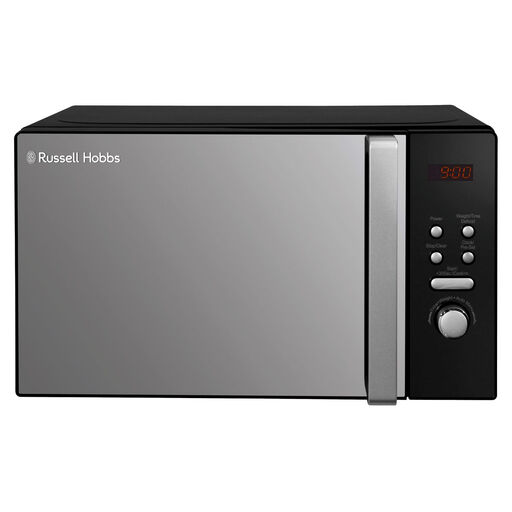 No image available
Consider this model if you want a solo microwave for routine ingredient defrosting and can work with its controls. It has five power levels; check the model manual for the defrost options and instructions that apply to your foods.
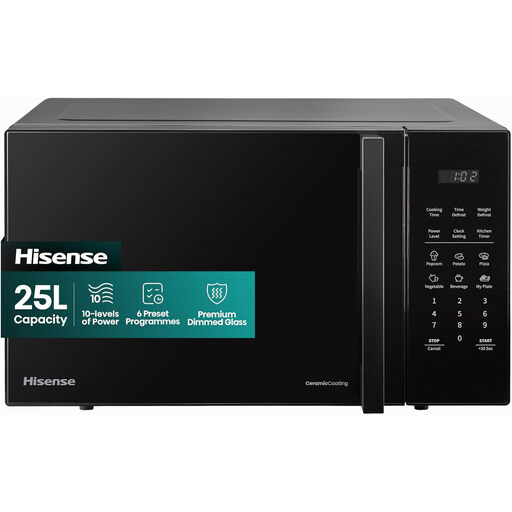 No image available
Consider this model if auto defrost and room for your usual dishes are priorities. Its product name specifies Auto Defrost; check the manual for supported food categories, weight settings and handling instructions, and measure the intended location.
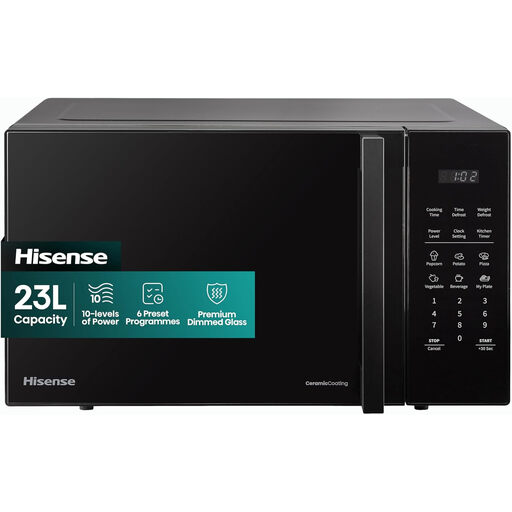 No image available
Consider this model if you want a solo microwave with an auto-defrost setting and touch controls. Check how its defrost programme accepts inputs and whether your usual containers fit before choosing it.
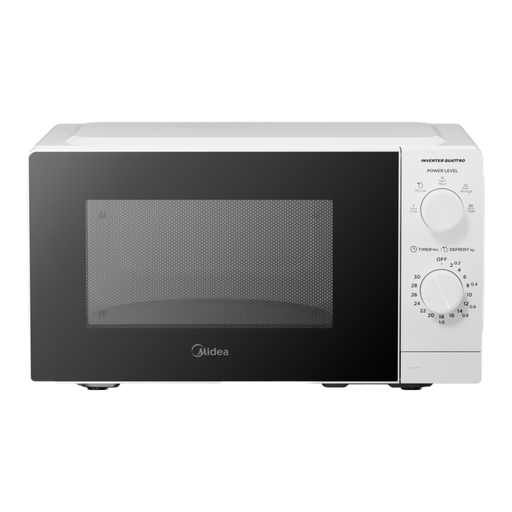 No image available
Consider this model if you prefer manual controls and want to assess an inverter microwave for defrosting. Its product name specifies MET Inverter Technology; check the exact defrost settings and instructions if a weight-based programme matters to you.
Yes, provided you handle the food safely afterwards. The Food Standards Agency notes that microwave thawing can be uneven and advises cooking the food immediately after defrosting or placing it in the refrigerator; keep raw meat and poultry separate from other foods.
Auto defrost is worth considering if you would rather enter a food type and weight than set a time yourself. Samsung says supported models calculate general defrost time and power from those inputs; check the exact model’s categories and any prompts to turn the food.
No: an inverter model is not a prerequisite for routine defrosting. Panasonic says its inverter technology aims to thaw gently without cooked edges, but that is a manufacturer claim, not a guarantee for every food; compare the exact model’s defrost controls with your needs.
Check the manufacturer’s installation instructions, the available space and the required ventilation clearances. Electrical Safety First advises care with extension leads used alongside other high-power appliances because they can become overloaded; check that the intended electrical arrangement is suitable.
Only if the packaging is suitable for microwave use under its stated instructions. Electrical Safety First warns against metal objects, foam trays and plastic bags not designed for microwaves; transfer food to a suitable container when its packaging is unsuitable.