Everyday sauce reheaters
You usually warm one bowl or jug of mushroom sauce for a meal. Simple controls, room for your container and an interior you can wipe after splashes matter more than extra cooking modes.


For reheating mushroom sauce, start with a freestanding solo microwave whose controls are clear and whose cavity fits your usual microwave-safe bowl or jug. An inverter or sensor-reheat model may appeal if you reheat larger portions or leftovers often; choose built-in installation or additional cooking functions only if you need them for other reasons. Whichever type you use, stir the sauce and check that it is steaming hot throughout.
You usually warm one bowl or jug of mushroom sauce for a meal. Simple controls, room for your container and an interior you can wipe after splashes matter more than extra cooking modes.
You regularly warm larger amounts or several portions. Check the space available for your bowl and the turntable size rather than choosing by the capacity figure alone.
You need an appliance that integrates into cabinetry, with sauce reheating among several everyday uses. Installation requirements and the cooking functions you will actually use shape this choice.
If mushroom sauce is the main task, decide how you want to control reheating, then check your container's fit and the space available in your kitchen.
Choose it when: You mainly reheat small portions and want straightforward time and power controls.
Trade-off: A compact cavity still needs checking against your usual bowl, including its handles.
Choose it when: You often reheat larger portions and value a larger turntable or an available sensor-reheat programme.
Trade-off: Allow for its worktop footprint; inverter and sensor features do not replace stirring and checking the sauce.
Choose it when: Fitting the appliance into cabinetry matters beyond reheating sauce.
Trade-off: Installation needs planning; a built-in format is not necessary for the reheating task itself.
| Concern | What to check | Who this matters to |
|---|---|---|
| Heating control | Look for clear power settings and controls that let you pause and stir. Treat sensor reheat as a convenience, not a substitute for checking the food. | If I am warming a thick sauce, I want to stir it and check that it is steaming hot throughout rather than rely on a programme alone. Around 50% of consumers put controllable, thorough reheating first. |
| Bowl fit and portion size | Measure your microwave-safe bowl or jug, including handles, and compare it with the turntable diameter or flatbed layout. | When I reheat several portions, my serving container needs to fit and turn freely. For around 30% of consumers, accommodating their usual portion is the main concern. |
| Kitchen fit and other uses | Choose between worktop and built-in installation, then consider cleaning features and whether you will use additional cooking modes. | If worktop space or fitted cabinetry determines my choice, I need the appliance to suit the kitchen as well as reheat sauce. Kitchen fit or broader cooking uses come first for around 20% of consumers. |
A capacity figure does not tell you whether a wide bowl, jug handle or rectangular dish can rotate inside the cavity.
Measure your usual container and compare it with the turntable diameter and cavity layout. If you mainly use a rectangular dish, consider whether a flatbed layout suits it.
Inverter and sensor-reheat features do not establish that every part of a thick sauce has reached the same temperature.
Pause to stir thoroughly, then check that the sauce is steaming hot throughout before serving.
Grill and combination functions address uses beyond straightforward sauce reheating.
Consider those functions only if you expect to use their additional cooking methods; otherwise, compare solo microwaves that fit your container and kitchen.
Sauce splashes need cleaning, and blocked vents or unsuitable containers can create avoidable risks.
Use a container marked microwave-safe, wipe up spills and follow the appliance's ventilation instructions.
Relevant if you are considering a larger solo microwave with inverter technology or automatic reheating features.
Useful for comparing solo, grill and combination types, as well as freestanding and built-in installation.
Relevant when comparing freestanding models with built-in kitchen options and automatic programmes.
Relevant if you prefer a compact freestanding microwave with manual controls for everyday reheating.
These solo microwaves offer manual or digital approaches to everyday sauce reheating. Compare their stated capacity and controls, then check that your own bowl fits; their features do not replace stirring the sauce.
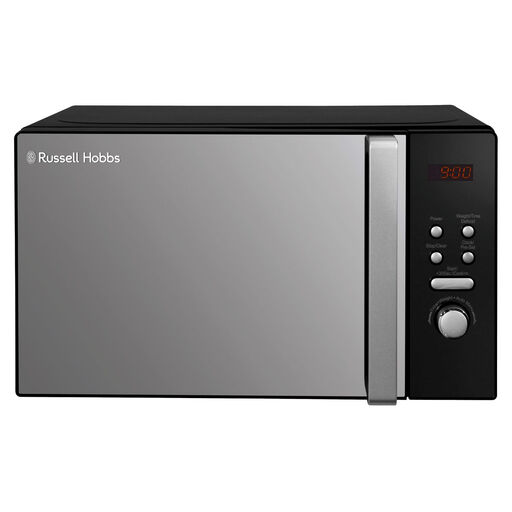 No image available
A choice for everyday sauce reheating if you want digital controls and adjustable power.
20 L capacity, 800 W output and five power levels. Check your bowl's dimensions before choosing.
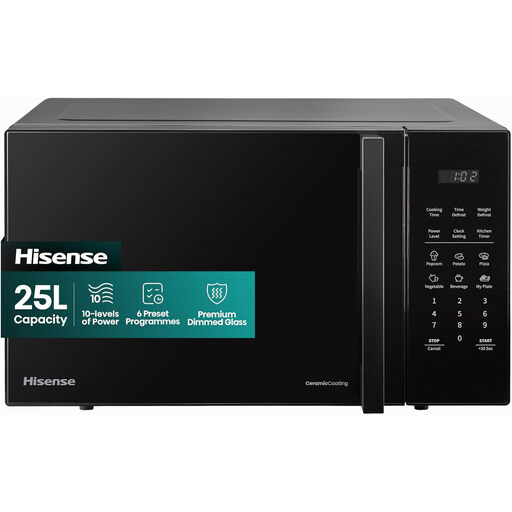 No image available
Consider this model if you want a 25 L solo microwave for your usual sauce container or larger portions.
900 W stated output and an auto-defrost function. Confirm the space needed for your bowl as well as the appliance.
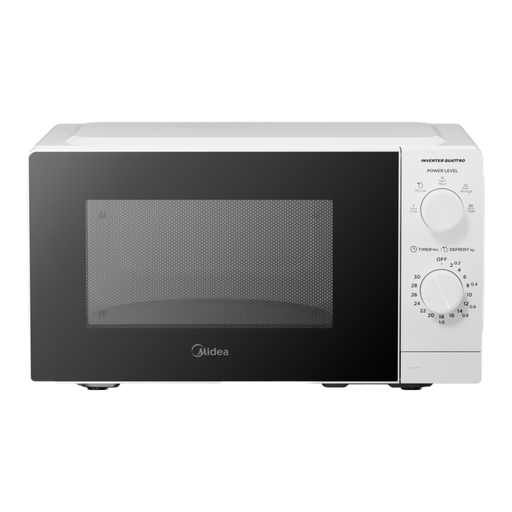 No image available
A manual-control option if you mainly want to reheat a bowl of sauce and value the stated inverter feature.
20 L capacity, 700 W output and MET inverter technology. Check the turntable size against your container; inverter technology does not guarantee that sauce heats evenly.
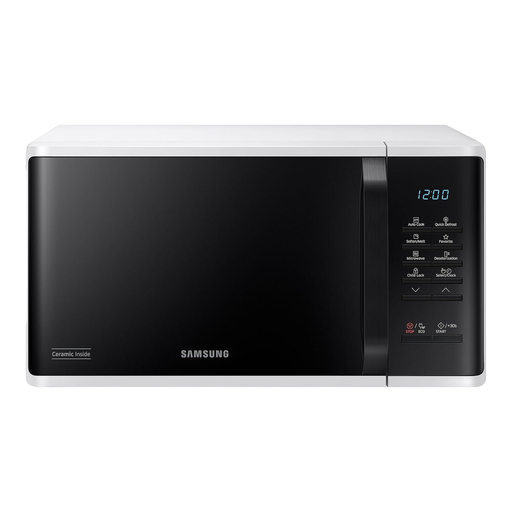 No image available
A 23 L solo option for routine sauce reheating if this model fits your kitchen and serving container.
800 W stated output and Triple Distribution System. The feature name does not replace stirring and checking that the sauce is steaming hot throughout.
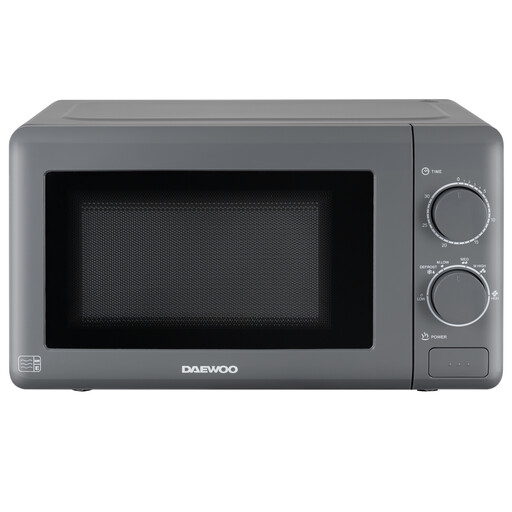 No image available
Consider this manual model if straightforward controls suit how you reheat a small serving of sauce.
20 L capacity, 800 W stated output and a defrost function. Confirm the available power settings and turntable dimensions if either affects your choice.
Yes, a solo microwave is a suitable type if reheating and defrosting are your main uses, as Samsung's buying guide explains. Consider grill or combination functions only if you also expect to use their additional cooking methods.
Use a microwave-safe container, heat in short intervals, stir thoroughly and check that the sauce is steaming hot throughout before serving. Automatic reheating features do not replace that check; NHS reheating guidance for baby food likewise emphasises thorough heating and stirring.
Measure its widest point, including handles, and compare it with the microwave's turntable diameter and cavity layout. Capacity in litres alone cannot establish whether a particular bowl can rotate freely.
Use containers marked microwave-safe, keep the vents clear and clean up food spills. Electrical Safety First advises choosing suitable containers and maintaining the appliance to reduce avoidable risks.