Compact-cottage reheaters
If you mainly warm one serving or a small side dish, check the appliance footprint and whether your usual bowl fits before considering extra cooking modes.


For reheating cooked carrots, start with a freestanding solo microwave that fits the cottage worktop and the bowl or plate you will actually use. A compact 20-litre, 800 W model is a sensible starting point, not a requirement; consider a larger cavity or extra cooking functions only if your other meals call for them. Whatever the model, stir the carrots, follow any standing-time directions and check that they are steaming hot throughout before serving.
If you mainly warm one serving or a small side dish, check the appliance footprint and whether your usual bowl fits before considering extra cooking modes.
If you reheat several portions or use larger serving dishes, cavity layout and usable dish space may matter more than choosing the smallest exterior.
If the microwave will also defrost food or grill during the stay, those functions are worth considering separately from the basic carrot-reheating task.
Check the available worktop and your serving dish first, then decide how much control you want over reheating. Extra cooking modes matter only if you plan to use them for other meals.
| Concern | What to check | Who this matters to |
|---|---|---|
| Worktop and dish fit | Measure the counter and dish base; compare exterior dimensions, ventilation clearances and turntable diameter or flatbed layout. | With little worktop room, I need both the microwave and my usual bowl to fit. Around 46% of consumers put worktop and dish fit first. |
| Safe, manageable reheating | Look for adjustable power and clear timer controls. Stir the carrots and check that they are steaming hot throughout before serving. | When portions vary, I want settings I can adjust and a straightforward way to check the food. For around 36% of consumers, manageable reheating is the primary concern. |
| Other cooking jobs | Decide whether defrost, grill or a larger cavity will serve meals beyond this vegetable side dish. | If I will also prepare other holiday meals, I want the appliance to handle those planned jobs. Broader cooking flexibility comes first for around 18% of consumers. |
A litre rating does not tell you whether the microwave fits the counter or whether a wide dish can rotate inside it.
Measure the worktop and dish, then check exterior dimensions, the turntable or flatbed layout, and the ventilation space required by the manufacturer.
A programme cannot tell you whether the centre of the carrots is hot. GOV.UK advises reheating food until it is steaming hot throughout and reheating it only once; government microwave guidance also identifies stirring and standing as part of the process.
Stir the carrots, allow standing time where directed and check the middle before serving.
A grill or larger inverter model adds options for other cooking tasks, but neither is needed simply to reheat a small serving of cooked carrots.
Choose a solo microwave if reheating is its only planned job; consider extra modes or capacity for meals you actually expect to make.
Panasonic lists 800 W cooking output and 1,250 W microwave power consumption for its NN-ST22 model. The headline cooking wattage is therefore not the figure to use for that model's electrical draw.
If the cottage has a power constraint, check the exact appliance's rating information or manual.
These brands illustrate different microwave layouts and functions; compare the exact model and its dimensions rather than treating a brand name as a guarantee of fit.
Panasonic offers compact solo models as well as larger inverter models.
Beko is relevant if you want a compact microwave with digital controls.
Igenix offers compact models with straightforward reheating and defrost controls.
Russell Hobbs is worth considering when a flatbed layout would accommodate an awkwardly shaped dish.
Sharp is relevant if holiday meals call for grilling as well as microwave reheating.
These Joybuy microwaves cover compact solo reheating and larger-dish options, with an inverter model for broader use. Check each appliance against the cottage worktop and the dish you intend to use.
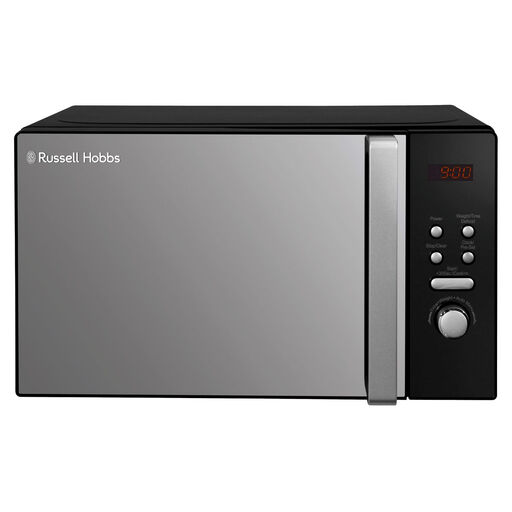 No image available
Consider this solo model for reheating a small side dish where a 20-litre appliance fits the available space.
The product name specifies five power levels. Check that your bowl fits before choosing it; the controls do not replace stirring and checking the carrots.
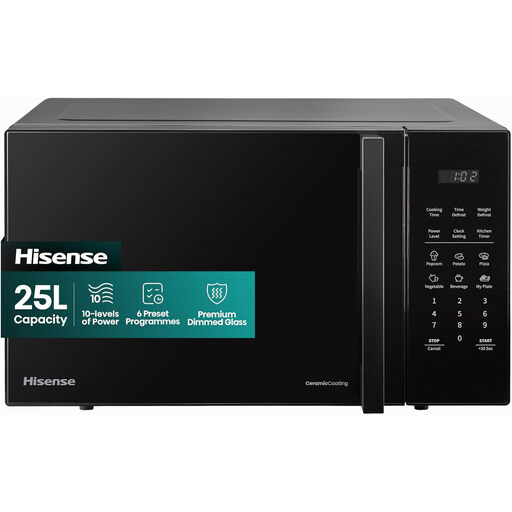 No image available
Consider the 25-litre cavity if you regularly use a larger bowl or prepare more than one serving.
The product name also lists auto defrost. Measure the worktop and confirm that your dish fits and can rotate; the larger capacity is not necessary for a small side dish.
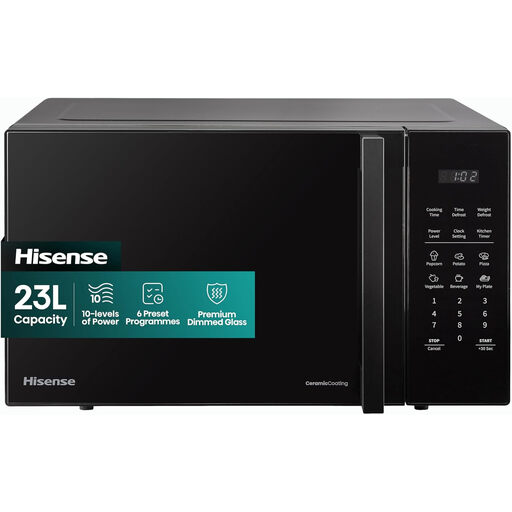 No image available
This model is another option if your serving dish calls for a cavity larger than 20 litres.
Check the dish fit and worktop dimensions. If the control layout matters to you, confirm it before purchase because the product title and description give different control types.
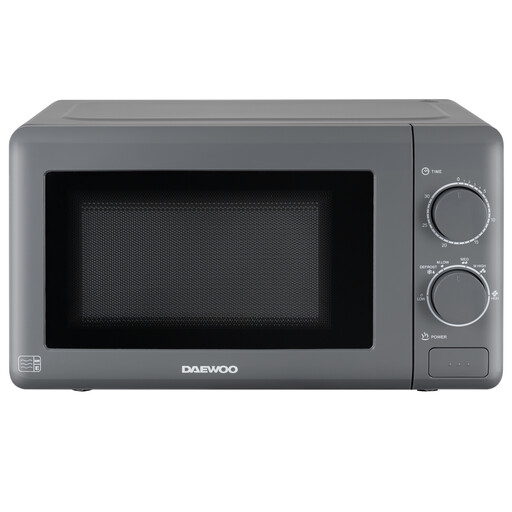 No image available
Consider this compact solo model if you prefer manual controls for reheating a small serving.
The product name lists a defrost function. Confirm the number of power settings if it matters to you, as the title and descriptions disagree, and check that your dish fits.
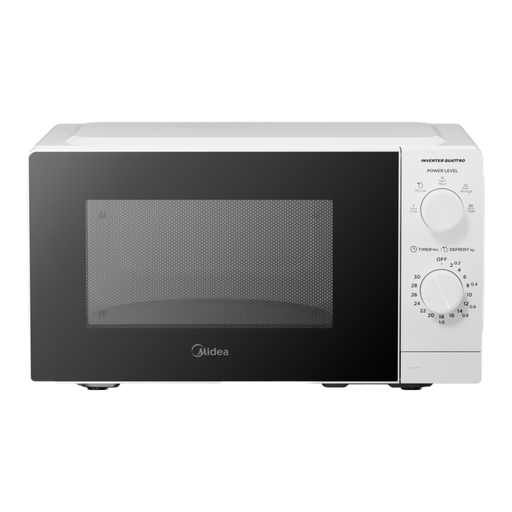 No image available
This compact solo model may suit a small serving if its dimensions and dish space work for the cottage.
The product name lists MET Inverter Technology; it is an optional feature, not a requirement for carrots. Confirm the timer and control layout if those details affect your choice, and check that your bowl fits.
A freestanding solo microwave is enough if reheating is its only job. Choose its exterior size and dish space around the cottage worktop and the bowl or plate you will use, rather than relying on cavity capacity alone.
Reheat the carrots until they are steaming hot throughout, including in the middle. Stir them, follow any applicable standing-time directions and check before serving; GOV.UK guidance says to reheat food only once.
No, an inverter microwave is not necessary for a small serving of cooked carrots. Consider one for other planned uses, but still stir and check reheated food; Panasonic's description of even heating applies to its named inverter technology and is a manufacturer claim.
Not necessarily: microwave cooking output and electrical consumption are different figures. Panasonic lists 800 W cooking output and 1,250 W microwave power consumption for its NN-ST22, so check the exact model's rating information if the cottage has a power constraint.
Check the exact model's warranty terms and who handles support before buying. Igenix states a two-year warranty for its IGMS02080W; that model-specific statement should not be assumed to apply to other microwaves.