What matters when choosing
Start with controllable power, short-interval timing and bowl fit. Then decide whether an inverter model suits your wider cooking needs or a conventional solo microwave covers the jobs you actually do.
Inverter solo microwave
Consider it when: you melt chocolate frequently and also want an inverter model for other delicate heating tasks.
Keep in mind: Panasonic claims smooth chocolate melting for its 32L NN-ST65QBBPQ, but that claim does not establish a result for other models or batches; you still need to pause and stir.
Conventional solo microwave
Consider it when: you melt chocolate occasionally and want to select the power and heating time yourself.
Keep in mind: selectable settings do not prevent overheating on their own. Check how easily you can set brief intervals and stop to stir.
| Concern |
What to check |
Who this matters to |
| Heating control |
Look for manual power selection and a timer you can use for short bursts; stir between intervals. |
If I bake with chocolate often, I want to stop and stir before it overheats, then repeat a method I can control. Around 38% of consumers put that repeatable control first. |
| Bowl space |
Compare cavity and turntable dimensions with your microwave-safe bowl and everyday dishes. |
When one appliance also handles family dishes, I need the bowl to fit without giving up useful reheating space. For around 31% of consumers, that versatility is the main concern. |
| Compact operation |
Check the external dimensions and whether the controls make manual settings straightforward. |
With limited worktop space and only occasional chocolate to melt, I would rather make room for a manageable solo microwave than extra cooking modes. Compact simplicity comes first for around 23% of consumers. |
| Safe use |
Use cookware clearly marked microwave-safe and follow the appliance instructions for electrical setup and cleaning. |
If I am sharing a kitchen or choosing my first microwave, I want to be confident about the bowl, socket and routine cleaning before considering more features. Around 8% of consumers prioritise those practical safeguards. |
Joybuy solo microwaves
These solo microwaves offer different sizes and control styles for chocolate melting alongside everyday heating. Compare their controls and bowl clearance for the batches you expect to make; none replaces heating briefly and stirring.
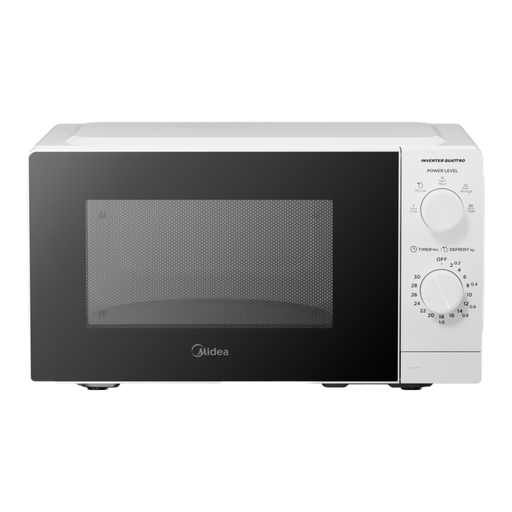 Image unavailable
Midea MMOP01MZ-WH 20L 700W MET Inverter Solo Microwave, White
Consider this 20L solo model if you want an inverter microwave for small batches as well as everyday heating. Check whether its timer can be set to intervals that work for your melting method.
View on Joybuy
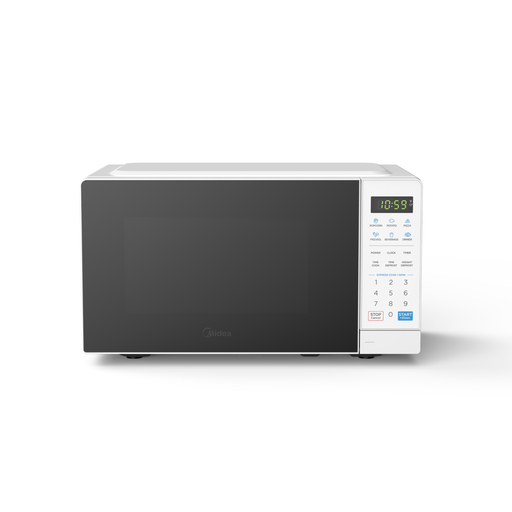 Image unavailable
Midea SDA 20L 700W Solo Inverter Microwave, White
This 20L inverter model is worth comparing if you want a smaller cavity for routine use. Its title specifies a 245mm turntable: check your bowl’s base diameter and the timer controls before buying it for short-burst melting.
View on Joybuy
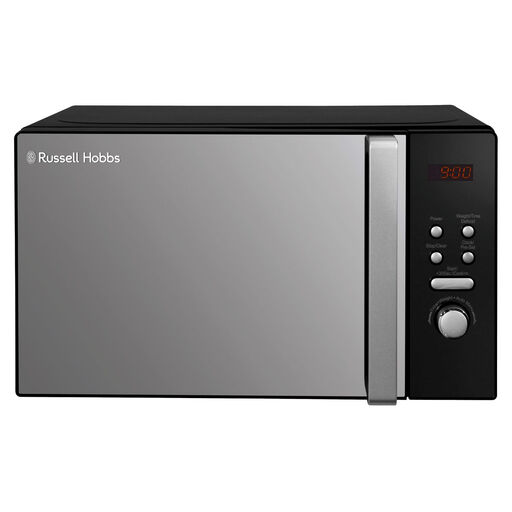 Image unavailable
Russell Hobbs RHM2063-AH 20L 800W Digital Microwave, Black
For occasional batches, this 20L model offers five power levels for manual selection. Check how its timer sets brief intervals, and make sure your bowl fits its 255mm turntable.
View on Joybuy
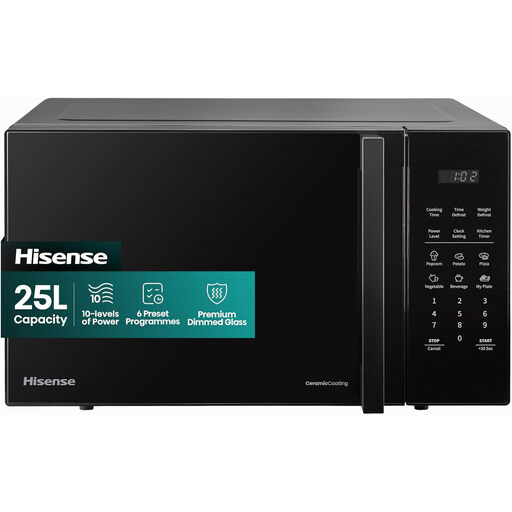 Image unavailable
Hisense H25MOBS7HUK 25L 900W Digital Solo Microwave, Black
Consider this 25L model if the same microwave must accommodate larger everyday dishes and your chocolate bowl. Check its external dimensions and how precisely you can set short heating intervals.
View on Joybuy
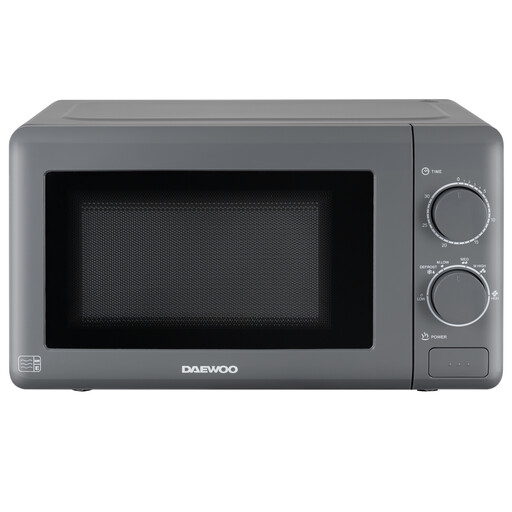 Image unavailable
DAEWOO SDA1961 20L 800W Manual Solo Microwave, Grey
If you prefer dial controls for occasional melting and reheating, compare this 20L model’s settings with your usual method. Confirm the exact number of power settings and the timer’s shortest usable interval before buying.
View on Joybuy
Common questions
Do I need an inverter microwave to melt cooking chocolate?
No. A conventional microwave can do the job if you can heat briefly, stop and stir. Panasonic claims precise power control and smooth chocolate melting for its inverter NN-ST65QBBPQ, but that manufacturer claim does not show that an inverter is necessary for every batch.
How should I melt chocolate in a microwave?
Use a microwave-safe bowl, heat in short intervals and stir between them without leaving the microwave unattended. Good Food specifies 20-second bursts for its chocolate-sauce recipe; adjust your method to the recipe, quantity and microwave rather than treating that interval as a universal setting.
Can I use a metal or ordinary plastic bowl?
Use a bowl clearly marked microwave-safe instead. Electrical Safety First warns against metal and unsuitable plastic, foam trays and plastic bags in a microwave.
When does chocolate need tempering rather than simply melting?
Tempering matters when you need properties such as shine and a firm set for moulded or coated chocolates. Callebaut explains that tempering pre-crystallises cocoa butter and describes a microwave method for small quantities. For sauce, ganache or batter, follow the recipe rather than assuming tempering is required.


