Delicate-food reheaters
If you regularly warm custard or sauces, you need to be able to adjust the power and pause to stir rather than rely on a high-power setting alone.


For reheating custard, start with a solo microwave that has selectable power levels and controls that let you stop and stir; a grill adds little if reheating is your only task. A compact model may suit small portions, but check that your bowl fits its turntable. For larger servings, compare cavity and turntable dimensions as well as the space the appliance needs on your worktop. Inverter and sensor-reheat features are model-specific, not guarantees of even heating.
If you regularly warm custard or sauces, you need to be able to adjust the power and pause to stir rather than rely on a high-power setting alone.
If you usually heat one or two portions, a compact solo microwave may cover the task without taking up space for cooking functions you seldom use.
If you warm larger bowls or repeated portions, dish fit and a convenient reheat programme may matter more than a small appliance footprint.
For custard, decide how much control you want during reheating, then check your usual bowl and available worktop space before considering extra cooking functions.
| Concern | What to check | Who this matters to |
|---|---|---|
| Controlled reheating | Look for selectable power levels and controls that make it practical to stop, stir and restart. | If my custard heats unevenly, I want control over the process rather than headline wattage alone; around 50% of consumers would put controlled reheating first. |
| Compact simplicity | Compare external dimensions and check that your bowl fits the usable turntable area. | With limited worktop space and only occasional small portions, I would rather have straightforward reheating than unused cooking modes; roughly 30% of consumers would prioritise a compact, simple appliance. |
| Larger portions | Check cavity layout and turntable diameter against your serving dish, as well as the appliance footprint. | When I warm a large bowl or several family portions, I need enough room for the dish; around 20% of consumers would make portion capacity their primary concern. |
A high maximum wattage does not establish how gently a microwave heats at a lower setting. Which? has found that performance on basic microwave tasks varies between models.
Check the exact model’s power controls and, where available, independent test results relevant to reheating.
Cavity capacity does not tell you whether your usual serving bowl will fit on the turntable. A larger appliance also needs more worktop space.
Measure the bowl and intended space, then compare them with the stated turntable and external dimensions.
Panasonic and LG describe heating features on specific models, but those brand claims do not establish how every bowl of custard will heat.
Use the features to narrow your choices, check independent testing where accessible, and plan to stir and let the custard stand before serving.
Microwave-heated food can contain hot pockets. NHS guidance for baby food calls for thorough stirring and a temperature check before feeding.
For food intended for a baby or young child, follow NHS reheating guidance: heat it thoroughly, stir well, let it cool appropriately and check its temperature before serving.
The NN-ST65QB is relevant if you want several power levels and sensor reheat alongside room for larger dishes.
LG offers compact solo options and models with additional functions; choose by the particular model rather than the brand name alone.
The MS23K3513AK/EU is a conventional 23L solo option to consider if easy cleaning and straightforward reheating matter to you.
These compact solo microwaves are options for smaller portions of custard. Compare their controls and check that your usual bowl fits before choosing.
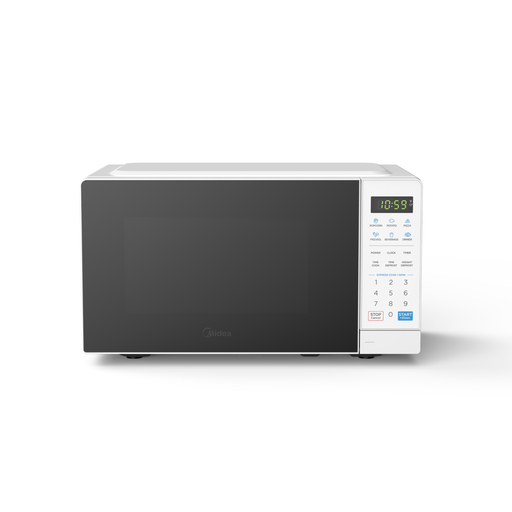 No image available
Consider this solo model for small portions when you want an inverter microwave without additional cooking modes.
The product name specifies digital controls and a 245mm turntable. Check your bowl against that diameter and confirm the appliance’s external dimensions for your worktop.
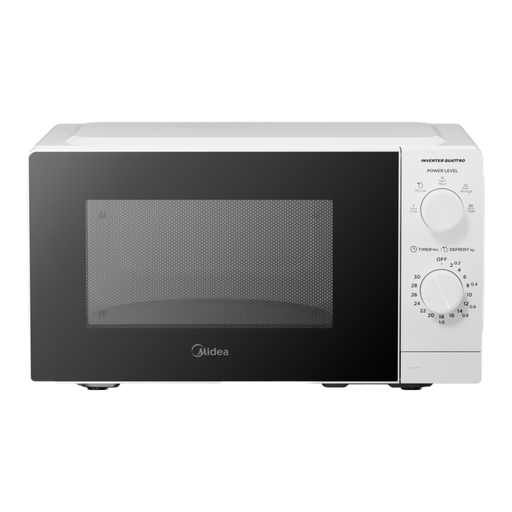 No image available
This is another compact solo choice if manual operation suits the way you reheat small portions.
The product name identifies MET Inverter technology and an energy-saving mode. Check the turntable diameter against your usual bowl and confirm how to pause and stir using the model’s controls.
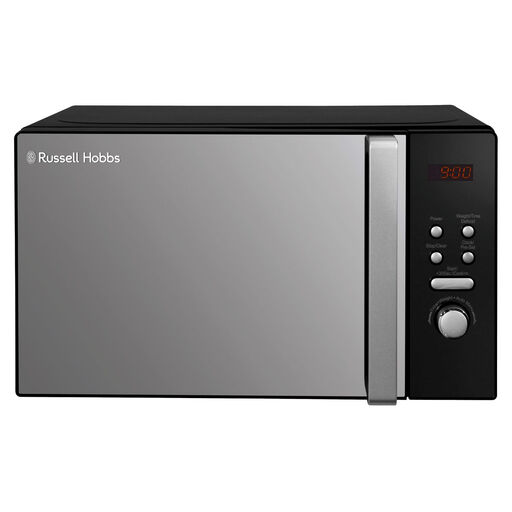 No image available
Consider this compact model if you want to select a lower power setting when reheating custard.
The product name specifies five power levels. Check its controls for a convenient pause-and-stir routine, and compare the dish space with your usual bowl.
No, not if reheating is your main task: a solo microwave is the more direct choice. Consider a grill or combination model if you will also use its other cooking functions; those functions do not replace controlled microwave reheating.
Selectable power levels and an easy way to pause and stir give you control over the process. Check those controls on the exact model; manufacturer descriptions of inverter or sensor reheating do not guarantee an even result in every dish.
For an occasional individual portion, a compact microwave may be enough if the bowl fits. For larger serving dishes, compare the cavity layout and turntable diameter rather than relying on litre capacity alone, and check the appliance’s external dimensions.
Follow NHS guidance for reheating baby food: heat it thoroughly, stir well to remove hot pockets, allow it to cool appropriately and check the temperature before feeding. The NHS also advises reheating already-cooked food for a child only once.