What matters when choosing?
Start with the dish you actually use, then assess how readily you can adjust power and time. Controls and cleaning matter most once the vessel fits.
| Concern |
What to check |
Who this matters to |
| Control over warming |
Check the microwave’s output power, manual power settings and timer controls. Use the timing on your custard pack or recipe as the starting point. |
If I want to stop and stir before custard gets too hot, I need controls that are easy to reset between stages. Around 42% of consumers would put this control first. |
| Serving-dish fit |
Compare your vessel’s widest point, including handles, with the turntable, internal dimensions and door opening. Allow room for it to rotate. |
For a family-sized jug or bowl, I need to know it will fit before choosing by cavity litres. For around 33% of consumers, vessel fit would be the primary concern. |
| Simple use and cleaning |
Check whether the controls suit short manual runs and whether the turntable and cavity are practical to wipe after splashes. |
When dessert preparation is busy, I would rather reset the microwave and clear up splashes without fuss. Around 25% of consumers would prioritise everyday operation and cleaning. |
Joybuy microwaves for warming custard
These solo microwaves offer compact and roomier options for warming custard. Compare your serving vessel with each model’s usable space, then choose controls that suit the pack or recipe instructions you follow.
 No image available
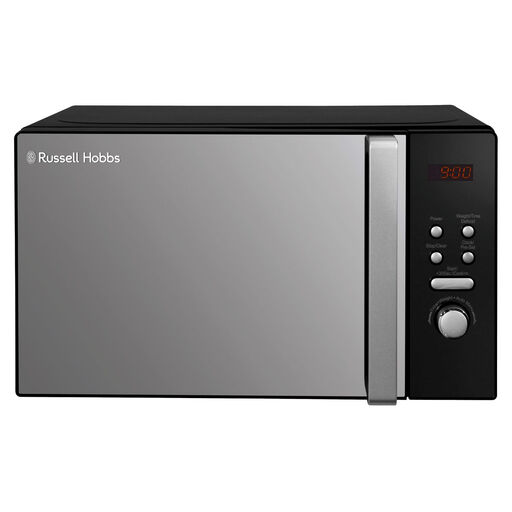
Russell Hobbs RHM2063-AH 20L digital microwave
Consider this compact model if your serving vessel fits and you want manual control for staged warming.
20L capacity; 800W output; five power levels. Measure your bowl or jug, including handles, before relying on the stated capacity.
View on Joybuy
 No image available
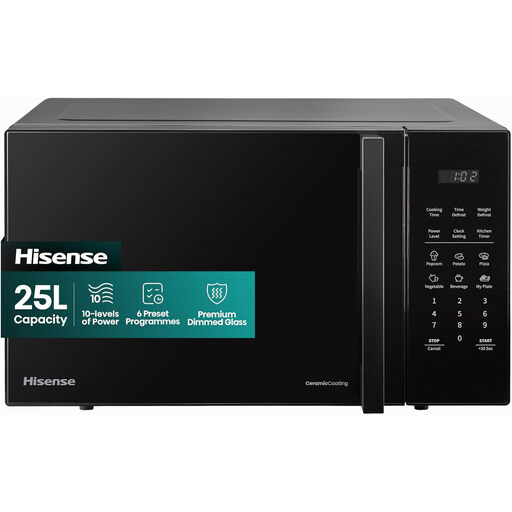
Hisense H25MOBS7HUK 25L digital solo microwave
Consider the roomier format if you regularly use a wider family serving vessel, subject to checking that it fits and rotates.
25L capacity; 900W output. Adjust any custard instructions written for an 800W microwave rather than copying their timing unchanged.
View on Joybuy
 No image available
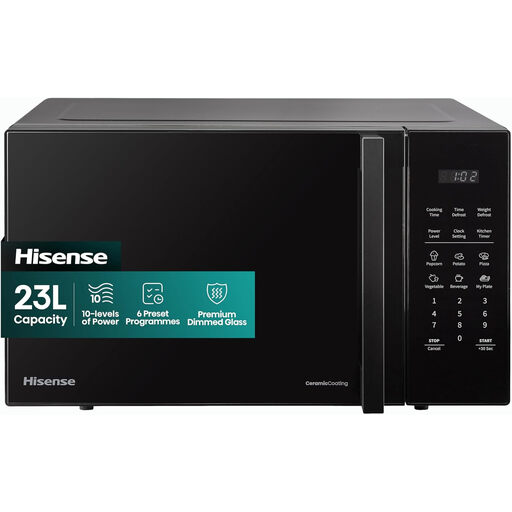
Hisense H23MOBS5HUK 23L solo microwave
This is a capacity option between the compact and larger models if it accommodates your usual serving dish.
23L capacity; 800W output. Check the final listing’s control layout if touch controls or dials matter to you, and confirm that your vessel can rotate freely.
View on Joybuy
 No image available
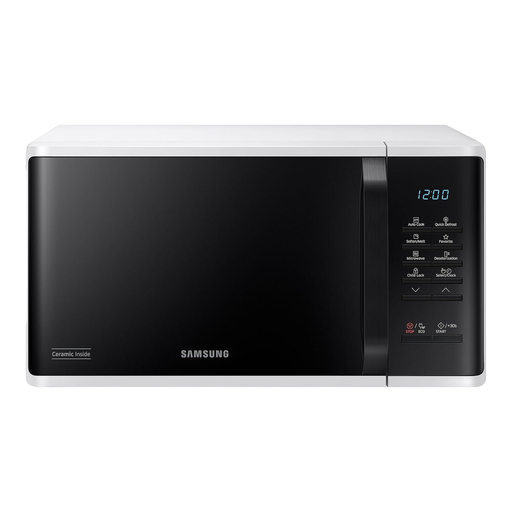
Samsung MS23K3513AW/EU 23L solo microwave
Consider this model if a 23L solo microwave and its stated interior finish suit your routine for warming and cleaning up after dessert.
800W output; Ceramic Enamel interior. Check turntable diameter and timer controls against your dish and preferred reheating stages; the finish does not establish a custard-warming advantage.
View on Joybuy
 No image available
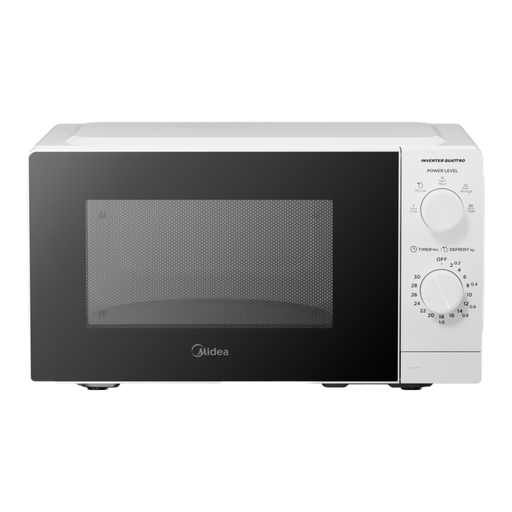
Midea MMOP01MZ-WH 20L manual solo microwave
Consider this compact manual model if its cavity accommodates your usual jug or bowl.
20L capacity; 700W output; MET Inverter Technology. Check the turntable diameter before ordering and adjust custard timings written for an 800W microwave.
View on Joybuy
Common questions
Do I need a grill or combination microwave to warm custard?
No; a solo microwave with manual power settings and a timer can handle the warming task. Choose grill or combi functions if you also need those separate cooking modes, not as a substitute for checking dish fit and reheating controls.
Will a 20L microwave fit a family serving of custard?
It can fit some serving dishes, but capacity alone cannot confirm yours will fit. The British Dietetic Association’s four-serving egg-custard recipe uses an approximately 20cm dish; compare your vessel’s full width, including handles, with the chosen microwave’s turntable and internal clearance.
How should I warm ready-to-serve custard?
Follow the instructions on the exact pack. For Ambrosia Ready To Serve Light Devon Custard Can, Ambrosia specifies transferring the custard to a microwaveable container, covering it, heating for one minute, stirring, then covering and heating for a further minute in an 800W microwave. It says microwave timings vary; those steps are specific to that product.
How can I avoid overcooking homemade egg custard?
Use a microwave-specific recipe and retain its stirring and standing stages. The British Dietetic Association’s egg-custard method is based on an 800W microwave, so adjust its timings for the appliance you use rather than treating them as universal.


