
24/7 Customer Support

Free returns

Same-day & Next-day Delivery

Quality Guaranteed

Unlock Your Welcome Offers: FREE Delivery | Up to 80% OFF | Free 30-day JoyPlus trial
Download the APP
As the Mid-Autumn Festival approaches, the tradition of gifting a premium bottle of baijiu holds special significance. It’s a gesture of respect, reunion and celebration. However, for many in the UK, navigating the world of Chinese liquor can be daunting. With a vast array of styles, ages and beautifully designed bottles, it's easy to feel lost or, worse, make a choice that doesn't quite hit the mark.
Many find themselves caught in common purchasing traps. You might choose a bottle based on its elaborate packaging, only to find the spirit inside is too aggressive for the recipient's taste. Or perhaps you've heard that "older is better" and invested in a costly aged baijiu, not realising that its complex profile might be overwhelming for someone new to the spirit. This guide, from my perspective as a Joybuy Product Recommendation Officer, is designed to help you sidestep these pitfalls and select a thoughtful and appropriate Mid-Autumn Festival baijiu gift.
To make an informed choice, it helps to understand a few key characteristics that define a baijiu's character and quality. Focusing on these will ensure your gift is appreciated for its taste, not just its appearance.
Unlike whisky or gin, baijiu is primarily categorised by its aroma. This is the single most important factor influencing its taste. Getting this right is crucial.
When you see a number like 10, 20, or 30 on a bottle of aged baijiu for sale, it typically refers to the age of a significant portion of the blend. Ageing mellows the spirit, softens the alcoholic sharpness and adds layers of complexity.
Baijiu is traditionally a potent spirit, with many premium expressions bottled at 52% or 53% ABV. This strength carries the complex aromas effectively. However, there are now many high-quality options available at lower strengths, such as 42%, 38% or even 28%. These can be a more gentle introduction for those unaccustomed to high-proof spirits and offer a different, often lighter, drinking experience.
Instead of a generic list, we've matched some excellent choices to specific types of recipients you might be buying for this Moon Festival.
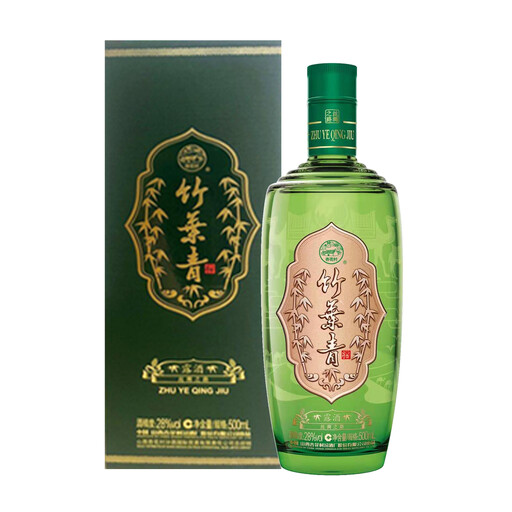
Why This Fits Their Persona: This is for someone who appreciates fine spirits but may be new to baijiu's intensity. The lower 28% ABV and infusion of natural bamboo essence make it exceptionally smooth, light and refreshing. It's a modern take on a classic that is perfect for sipping or even using in cocktails.
It directly avoids the "too strong" pitfall. The approachable ABV and clean, fresh flavour profile won't overwhelm a novice palate, ensuring the gift is genuinely enjoyed rather than just admired.
Based on the classic light-aroma Fenjiu, but infused with bamboo for a unique, crisp character. Its low ABV makes it highly versatile for different drinking occasions.

Why This Fits Their Persona: This is a gift that conveys deep respect. Fenjiu has a celebrated history, and this 20-year-aged expression of its light-aroma style is both classic and sophisticated. The elegant ceramic bottle and premium Fenjiu gift box make it a prestigious and culturally significant present for family elders or important hosts.
It avoids the "presentation over substance" trap. While the bottle is a work of art, the 20-year aged spirit inside is renowned for its quality, smoothness and refined character, ensuring the gift's value is more than skin-deep.
A 20-year aged expression from a historic distillery. It offers a remarkably smooth and elegant light-aroma profile at a classic 53% ABV, representing a pinnacle of its style.
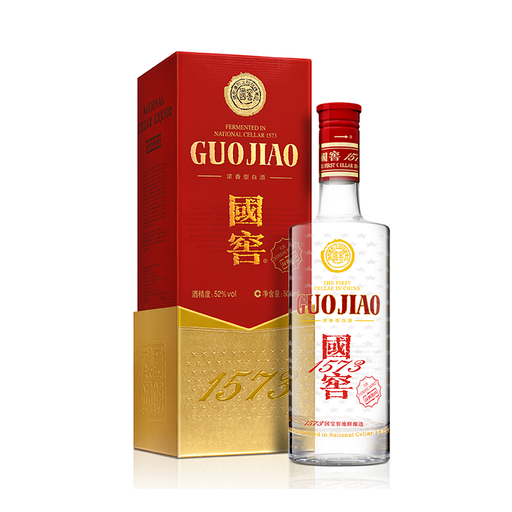
Why This Fits Their Persona: This is a statement gift. The name "National Cellar 1573" refers to the historic, continuously used fermentation pits from which it is made. It is one of China's most iconic and respected strong-aroma baijius, making it an impeccable choice for a high-value client or business partner where prestige is paramount.
It sidesteps the "confusing aroma" trap by being a definitive example of the popular strong-aroma style. Its reputation precedes it, ensuring the recipient understands the significance and quality of the gift immediately.
Brewed in nationally protected cellars dating back to 1573. It is a National Intangible Cultural Heritage and offers a classic, elegant cellar fragrance with a mellow and harmonious finish.
We have compiled a complete, real-time list of products that fully satisfy these strict selection criteria and UK safety regulations.
Traditionally, premium baijiu is served neat at room temperature in small, thimble-sized glasses. This allows the full spectrum of aromas to be appreciated. It is typically enjoyed during a meal, with toasts being a central part of the experience. Some modern, lower-ABV baijius can also be enjoyed chilled or over a single ice cube.
Due to its high alcohol content (typically above 40% ABV), an opened bottle of baijiu will not spoil in the way wine does. However, to preserve its delicate aromas, you should always seal the cap tightly and store the bottle upright in a cool, dark place. For the best flavour, it is advisable to consume it within 6-12 months of opening.
Not necessarily. The "better" gift is the one that best suits the recipient's taste and the occasion. A very expensive, complex, sauce-aroma baijiu might be lost on a novice, who would likely derive more enjoyment from a high-quality but more approachable light-aroma expression. Consider the recipient's experience with baijiu first and the price second.