Late-night snackers comparing protein
If you want a ready-to-eat nut-based snack, compare protein in the pack or portion you plan to have. A per-100g figure alone will not tell you how much is in a smaller serving.


Choose by the protein in the amount you will actually eat, rather than by a claim on the front of the pack: Marks & Spencer lists 10g per 30g pack for its Protein Packed Nut and Seed Mix. If a simpler nut mix and less salt matter more, its Nut Collection lists 19.9g protein and 0.02g salt per 100g. Sweetened bars and flavoured mixes offer different trade-offs, so check their sugars, salt, ingredients and allergens too.
If you want a ready-to-eat nut-based snack, compare protein in the pack or portion you plan to have. A per-100g figure alone will not tell you how much is in a smaller serving.
If you prefer nuts without a sweet coating or a salted seasoning, read the salt and sugars lines alongside the ingredients. A protein-labelled bar and a plain nut mix can have quite different recipes.
If you have an allergy or are buying for someone who does, check the current pack. The Food Standards Agency distinguishes peanuts from tree nuts, and nut-based snacks can also contain other allergens or carry precautionary wording.
Start with the amount you expect to eat, then compare nutrition and ingredients on the same serving basis before choosing a format.
| Priority | What to check | Your needs |
|---|---|---|
| Protein per portion | Check the pack weight and protein per pack or serving. For an open bag, compare the label’s per-100g figure with the amount you intend to eat. | I want to know how much protein is in my actual snack. Marks & Spencer lists 10g per 30g pack for its Protein Packed Nut and Seed Mix; Tesco lists 7.8g per 40g bar for the Eat Natural peanut-and-dark-chocolate bar. |
| Salt and sweeteners | Read salt and sugars on a consistent basis, then check for ingredients such as sugar, honey or syrup. Marks & Spencer lists 0.02g salt per 100g for Nut Collection and 0.88g per 100g for Sweet and Salty Nut Mix. | I would rather choose a less seasoned mix, or I am happy with a sweet snack once I have checked what is in it. |
| Pack and portion | Check whether the stated serving is the whole pack and compare energy for the amount you plan to have. Single packs and open bags call for different portion decisions. | A defined pack is convenient for me, or I would prefer to decide how much to take from a larger bag. |
| Allergens | Read the exact pack’s ingredients, declared allergens and any ‘may contain’ statement. The Food Standards Agency identifies peanuts and tree nuts separately. | When I buy for someone with an allergy, the product name is not enough to establish whether that particular pack is suitable. |
A smaller pack can deliver a different amount from an open bag. Marks & Spencer lists 10g protein in its 30g Protein Packed Nut and Seed Mix pack, while its Nut Collection lists 19.9g per 100g—about 6g in 30g.
Compare the protein in the whole pack or in the same planned portion for each product.
Tesco lists 7.8g protein, 10.0g sugars and 220 kcal per 40g Eat Natural peanut-and-dark-chocolate bar. Its sweetened recipe is a different choice from a plain nut mix.
Choose by the snack you want, then check the bar’s full nutrition panel and ingredients rather than relying on its protein wording.
Marks & Spencer lists 0.88g salt per 100g for Sweet and Salty Nut Mix, which includes sugar, honey and glucose syrup. Its Nut Collection lists 0.02g salt per 100g.
If salt or added sweetness affects your choice, compare the label and ingredients before picking a flavoured mix.
The Food Standards Agency distinguishes peanuts from tree nuts and explains that precautionary allergen wording can indicate possible unintended presence. A nut snack may have ingredients beyond the nuts named on its front label.
Check the current physical pack’s ingredient and allergen statements for every product you are considering.
These examples help distinguish snack formats and labels; the figures apply to the named products, not to every product from a retailer or brand.
Its named nut and nut-and-seed products illustrate the choice between a defined snack pack and a mixed-nut bag.
Its nuts catalogue lists formats including salted peanuts and unsalted mixed nuts with raisins.
Sainsbury's lists KP Original Salted Peanuts, Dry Roasted Peanuts and Roasted Peanuts, Unsalted.
Its nuts category covers several formats, and its Eat Natural listing offers an example of a sweet nut-based bar.
These options include bags of nuts and a seed blend. For a midnight snack, distinguish products you would eat as they are from a blend you would add to another food, and check the current pack for nutrition and allergens.
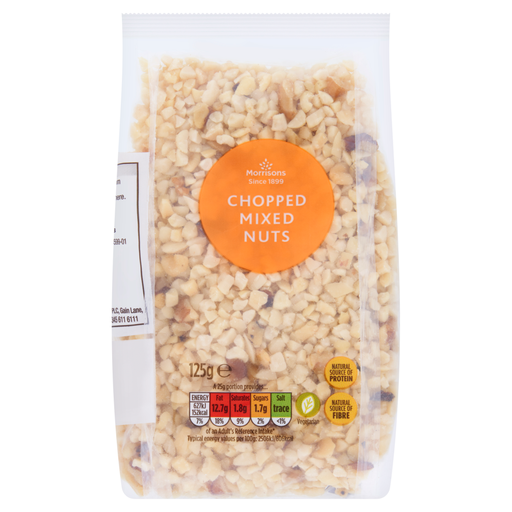 No image available
The chopped format is worth considering if you want nuts as a topping as well as a snack. Compare protein and salt for the portion you would eat, and check the pack’s allergen statement.
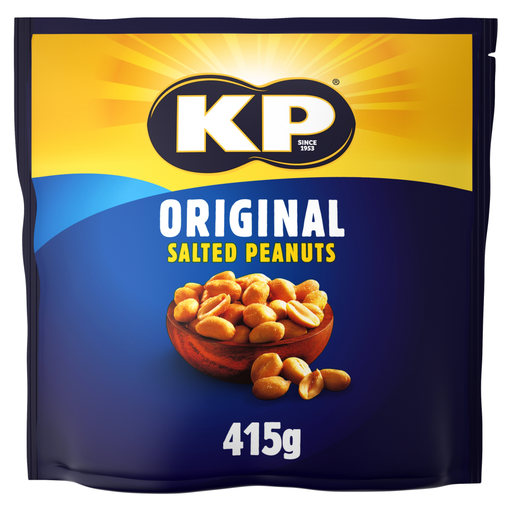 No image available
These are a salted peanut option in a 415g bag. If salt matters to your choice, compare the current label’s salt figure for the amount you plan to eat; check its allergen wording too.
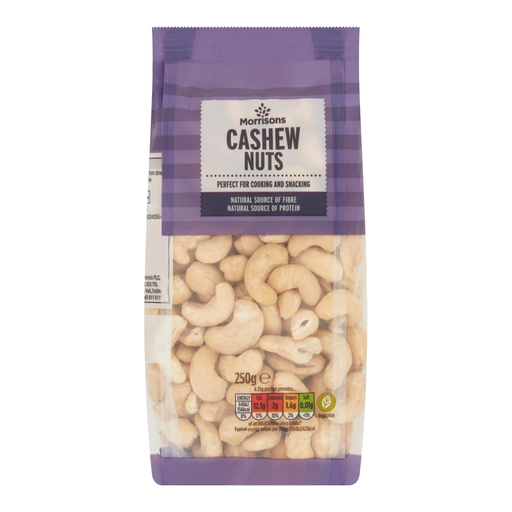 No image available
For a cashew snack, compare the pack’s protein and salt figures using your intended portion. Read the current ingredient and precautionary allergen statements rather than assuming a single-nut name covers every allergen consideration.
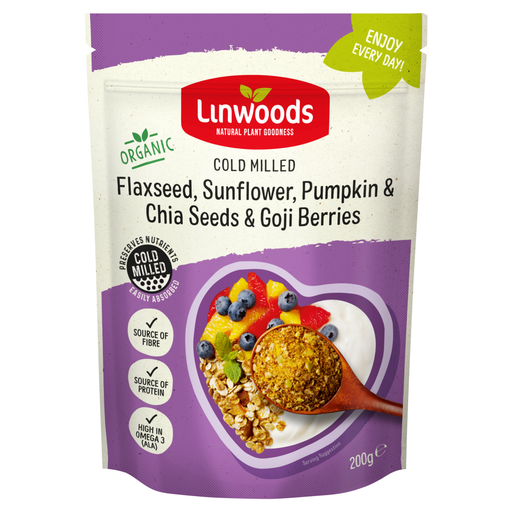 No image available
This seed-and-goji blend suits a snack you assemble with another food, such as yoghurt or porridge, rather than a bag of whole nuts to eat by the handful. Check the pack’s serving information and allergen wording.
Compare the protein in the pack or portion you would eat, using the serving weight alongside the protein figure. Marks & Spencer lists 10g in a 30g Protein Packed Nut and Seed Mix pack, while Tesco lists 7.8g in a 40g Eat Natural peanut-and-dark-chocolate bar; the packs are different sizes and formats.
Choose according to the flavour and ingredients you want, then compare salt and sugars on the label. Marks & Spencer lists 0.02g salt per 100g for Nut Collection, compared with 0.88g per 100g for Sweet and Salty Nut Mix, which also contains sugar, honey and glucose syrup.
Use the amount you expect to eat so that each product is compared on the same basis. Guy’s and St Thomas’ NHS Foundation Trust describes 30g, about a handful, as an average portion in its clinical nut-introduction guidance; that context does not make it a personal dietary target.
No. The Food Standards Agency identifies peanuts as legumes and distinguishes them from tree nuts such as almonds and cashews. Read the current pack for all declared allergens and any ‘may contain’ wording, including allergens beyond those named in the product title.
Use the listing to compare products, but check the current physical pack before eating or serving one to someone with an allergy. Ingredients and allergen wording can change, so the exact pack matters.