Parents looking for a less sweet snack-time drink
If the drink is for sipping, cereal or a smoothie after school, compare sugars per 100 ml. Check the ingredients and calcium figure too, rather than using a flavour description as a nutrition guide.


For an occasional after-school drink, compare ready-to-drink coconut cartons by their sugars and calcium per 100 ml: Alpro Coconut No Sugars lists 0.0 g sugars and 120 mg calcium, while Koko Unsweetened lists 0.2 g sugars and 120 mg calcium, according to their respective nutrition panels. If the drink regularly replaces cow’s milk, check its iodine fortification and consider the child’s wider diet; for a child with a diagnosed milk allergy, check the exact pack rather than assuming a coconut drink is suitable. Neither a low sugar figure nor the word ‘unsweetened’ establishes how mild the coconut flavour will taste.
If the drink is for sipping, cereal or a smoothie after school, compare sugars per 100 ml. Check the ingredients and calcium figure too, rather than using a flavour description as a nutrition guide.
When a coconut drink is used regularly instead of cow’s milk, check the exact product’s calcium and iodine fortification. If milk is excluded because of an allergy, read the current pack’s allergen information as well.
A child-focused coconut drink may list different protein and fortification values from a standard unsweetened carton. Compare those values in the context of the child’s wider diet, and follow professional advice where there is an allergy or nutritional concern.
Decide whether the carton is an occasional snack drink or a regular alternative to cow’s milk, then compare products for that use.
| Priority | What to check | Your needs |
|---|---|---|
| Sweetness | Compare sugars per 100 ml, not just ‘no added sugars’ wording. Alpro UK lists 0.0 g for Coconut No Sugars; Koko Dairy Free lists 0.2 g for Unsweetened. Check the ingredients if sweeteners matter to your choice. | I want a drink that does not add much sweetness to an after-school snack, so I’ll compare cartons on the same per-100-ml basis. |
| Fortification | Check calcium and iodine on the exact carton, alongside protein if the drink is used regularly. For children using a plant-based alternative instead of cow’s milk, Black Country 0–18 Years NHS-linked guidance advises a fortified option with at least 120 mg calcium per 100 ml and iodine. | If this will regularly replace cow’s milk, I need to consider what the drink contributes alongside the rest of the child’s diet. |
| Allergens | Read the current ingredients and allergen warning for the exact variant. Marks & Spencer states that its Creamy Coconut Drink is not suitable for people with a milk allergy despite its vegan description. | A diagnosed milk allergy or school food restriction means I need to check the pack itself, not rely on the word ‘coconut’ or a general plant-based label. |
| Flavour and use | Distinguish a drinking carton from culinary coconut milk. Ingredients can describe the formulation, but coconut percentage and sugar figures are not measures of flavour intensity; try a small initial purchase where possible. | I’m looking for a flavour the child will accept as a drink, rather than a richer coconut ingredient intended for a recipe. |
A carton drink and culinary coconut milk serve different purposes. Koko Dairy Free describes its Cuisine Coconut Milk, made with 25% coconut extract, as a rich cooking ingredient.
For drinking after school, look for a ready-to-drink coconut carton. Keep culinary coconut milk for a recipe that calls for it.
The sugars row can differ between similarly named drinks: Alpro UK lists 1.9 g per 100 ml for Coconut Original and 0.0 g per 100 ml for Coconut No Sugars.
Compare the sugars figure per 100 ml on the nutrition panels before choosing a carton.
Marks & Spencer describes its Creamy Coconut Drink as vegan but states that it is not suitable for people with a milk allergy. A category or front-of-pack description cannot replace the exact product warning.
For a diagnosed allergy, check the current pack each time and follow the child’s allergy guidance.
Plant-based drinks vary in fortification, according to the UK Office for Health Improvement and Disparities. The reviewed standard unsweetened coconut drinks also list different protein values: 0.2 g per 100 ml for Alpro Coconut No Sugars and 1.2 g per 100 ml for Koko Unsweetened.
If cow’s milk is excluded regularly, compare calcium, iodine and protein on the chosen carton in the context of the child’s wider diet. For a snack, consider the drink alongside an appropriate food rather than treating it as the whole snack.
Alpro’s Coconut Original and Coconut No Sugars are carton drinks with different sugars figures.
Koko Dairy Free offers an Unsweetened carton drink, a Kids Milk marketed for ages one and over, and a separate culinary coconut milk.
M&S describes its Creamy Coconut Drink as a coconut drink enriched with calcium, iodine and vitamins.
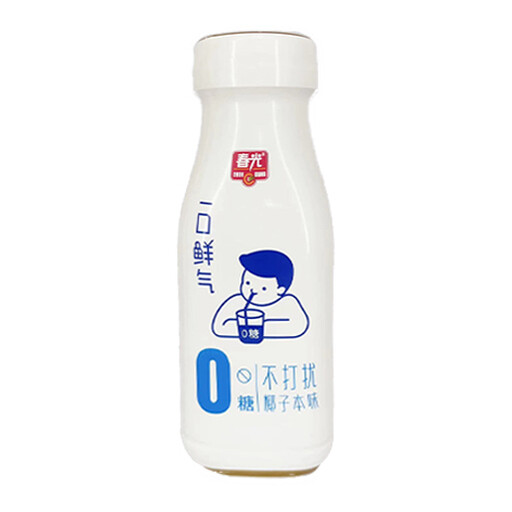
This ready-to-drink coconut beverage comes in a 15-can pack. Its milk-allergen warning is particularly important when choosing for a child who avoids milk.
 No image available
A ready-to-drink coconut beverage for a snack-time drink. The product information flags milk-derived sodium caseinate and a milk-allergen warning, so check the current pack and follow the child’s allergy guidance if milk must be avoided. Compare sugars per 100 ml on the nutrition panel rather than relying on ‘0 Sugar’ in the name; also check calcium and iodine before considering it as a regular milk alternative. The name does not establish how mild it tastes.
No. The reviewed Alpro and Koko coconut drinks are described as dairy-free, but that does not establish the status of every coconut drink. Marks & Spencer states that its vegan Creamy Coconut Drink is not suitable for people with a milk allergy, so check the current pack for a child with a diagnosed allergy.
Do not assume the drink alone provides what is wanted from the snack. Alpro Coconut No Sugars lists 0.2 g protein per 100 ml, while Koko Unsweetened lists 1.2 g per 100 ml, according to their respective nutrition panels. Consider the drink alongside an appropriate food if a more substantial snack is needed.
For a child over one, check the exact drink’s fortification and consider it in the context of the child’s whole diet. Black Country 0–18 Years NHS-linked guidance advises choosing plant-based alternatives with vitamins and minerals, particularly at least 120 mg calcium per 100 ml and iodine, when cow’s milk is excluded. It also says plant-based drinks should not be used as the main milk drink for a child under one.
A sugar figure cannot tell you how strong the coconut flavour will taste. Start with a ready-to-drink carton rather than culinary coconut milk if the drink is for sipping, compare its ingredients, and try a small initial purchase where possible before buying several packs.