Who is choosing coconut milk for Christmas cooking?
The recipe matters more than the word “coconut” on the front of a pack: a cooking milk and a drink serve different purposes.
Curry and soup cooks seeking a gentle coconut taste
If coconut milk forms the base of a festive main or soup, look for a cooking product with an explicit flavour description. Sainsbury's listing describes Blue Dragon Coconut Milk as mild; that is a product description, not a comparison with every other tin.
Cooks deciding how rich the dish should be
Standard and reduced-fat tins give you different starting points for curries, sauces and desserts. Marks & Spencer lists different coconut-extract and fat figures for its two versions, so check which one the recipe expects.
Households choosing a dairy alternative
A coconut drink may suit pouring or a recipe that calls for a dairy-alternative drink. Alpro and Koko sell drinks in this format; do not assume they will give a curry the same body as tinned cooking coconut milk.
How should you choose the right coconut format?
Decide whether the recipe needs a creamy cooking base or a pourable drink, then compare flavour descriptions, fat figures and the amount you will use.
Standard cooking coconut milk
Choose it when: A curry, soup, sauce or dessert depends on a creamy coconut base.
Bear in mind: A standard tin does not automatically have a mild flavour; check the individual product description if that matters to the dish.
Reduced-fat cooking coconut milk
Choose it when: You want a tinned cooking ingredient but are content with a less rich result.
Bear in mind: Do not assume it will give a dessert or curry the same body as the standard version.
Coconut drink
Choose it when: The intended ingredient is a pourable dairy alternative.
Bear in mind: A drink is not a like-for-like replacement when a recipe relies on rich cooking coconut milk.
| Priority | What to check | Your needs |
|---|
| Flavour |
Look for an explicit flavour description on the product. Sainsbury's describes Blue Dragon Coconut Milk as having a mild coconut flavour; coconut-extract percentage is not a taste rating. |
I want the coconut taste to sit gently alongside the other ingredients, rather than choosing a tin on its coconut percentage alone. |
| Cooking format |
Check whether the pack is cooking coconut milk or a coconut drink. Alpro Coconut Original Drink lists 5.3% coconut milk per drink; Sainsbury's cooking tin lists 68% coconut extract. |
My curry or dessert needs a coconut base, not simply a dairy-free liquid with coconut in it. |
| Richness |
Compare the same retailer's versions on the stated basis. Marks & Spencer lists 60% coconut extract and 17.3g fat per 100g for its standard milk, against 33% and 9.3g per 100g for its reduced-fat milk. |
For a creamy sauce, texture matters most; for another dish, I may prefer the reduced-fat tin and accept a different result. |
| Pack use |
Check pack size and the opened-pack instructions before planning several dishes. Sainsbury's says to refrigerate its opened tin and use it within three days. |
If I need only part of a pack, I want another recipe planned within its stated storage period. |
| Guest information |
Read the current ingredients and allergen information on the pack. Check any advisory statement separately from a vegan or dairy-free description. |
When cooking for a guest with an allergy, I need the information for the exact pack I will serve. |
Which brand ranges are relevant?
These brand references help distinguish cooking tins from coconut drinks; the product details still need checking for the particular pack you choose.
Tesco
Tesco's coconut milk category lists both standard and light 400ml own-label tins.
- The two listed formats give shoppers a standard-versus-light cooking choice.
- Check the individual packs for ingredients and flavour descriptions rather than assuming the light tin tastes milder.
Sainsbury's
Sainsbury's lists a 400ml own-label cooking coconut milk.
- Its ingredients list specifies 68% coconut extract, useful when comparing cooking formats.
- That percentage does not establish how mild the own-label tin tastes.
M&S
M&S offers standard and reduced-fat 400ml cooking coconut milk.
- Marks & Spencer lists 60% coconut extract in the standard version and 33% in the reduced-fat version.
- Choose by the richness your recipe calls for; the figures do not establish which version has the gentler flavour.
Waitrose
Waitrose lists standard and reduced-fat Essential tins alongside Duchy Organic Coconut Milk and coconut cream.
- The Duchy product lists 60% organic coconut extract and is described for curries, soups and desserts.
- Check the format of the particular product: coconut cream and reduced-fat milk are different choices from standard cooking milk.
Alpro
Alpro Coconut Original is a coconut-based drink rather than tinned cooking milk.
- Alpro UK lists 5.3% coconut milk in the drink, making its format and ingredients clear.
- Do not treat the drink as an equal substitute when a recipe depends on a creamy coconut-milk base.
Koko
Koko makes coconut-based dairy-alternative drinks for pouring and other uses.
- Koko says Original Like Milk can be used in sweet and savoury cooking; its ingredients list specifies 11% coconut milk.
- Check the recipe before substituting it for a cooking tin, particularly when coconut richness supplies the dish's body.
Joybuy coconut milk options for cooking
These options cover coconut milk for curries, soups and desserts, including a smaller carton and a reduced-fat tin. If a gentle coconut taste is essential, check the individual product's flavour description before choosing.
 No image available
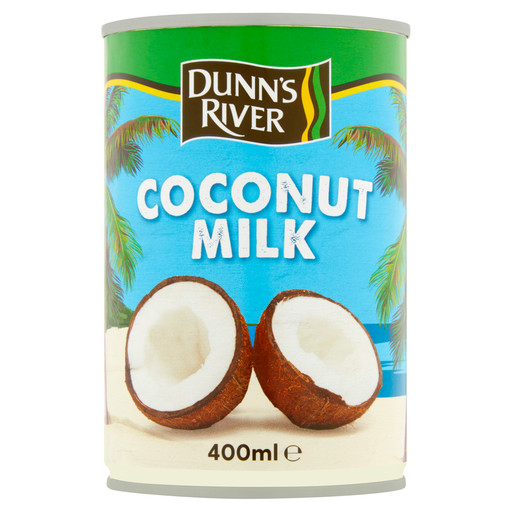
Dunns River Coconut Milk 400ml
A 400ml cooking tin to consider for a curry, soup or dessert that calls for coconut milk. Check its flavour description if mildness is important, and follow the pack's instruction to refrigerate opened contents and use them within two days.
View on Joybuy
 No image available
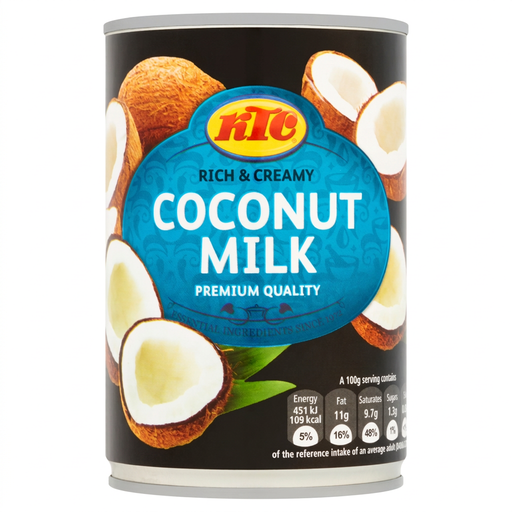
KTC Coconut Milk 400g
A 400g coconut milk option for cooking a curry or dessert. If a mild flavour is decisive, check the pack description; opened contents should be refrigerated and used within two days according to the product instructions.
View on Joybuy
 No image available
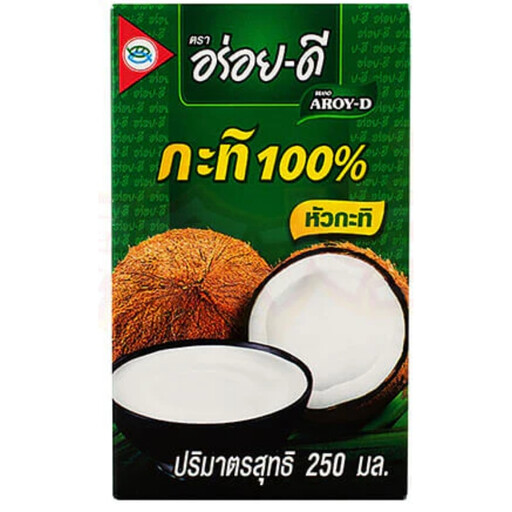
AROY-D Coconut Milk Carton 250ml
The 250ml carton is a cooking-milk option when a recipe needs a smaller quantity. Check the flavour description for a mildness-sensitive dish, and refrigerate and use any opened contents within two days as instructed.
View on Joybuy
 No image available
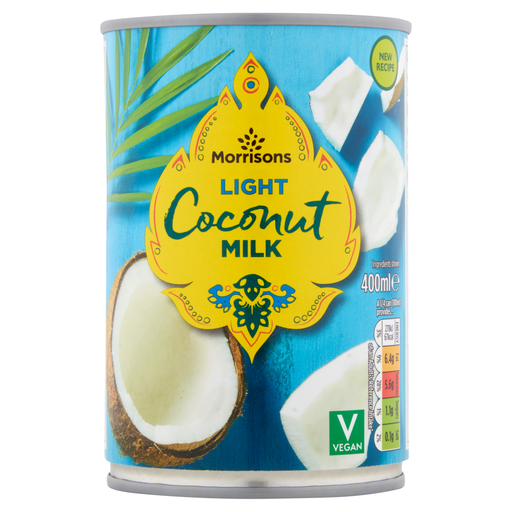
Morrisons Reduced Fat Coconut Milk 400ml
A reduced-fat cooking tin for a curry or soup when a less rich result suits the recipe. Do not assume it will give the same body as a standard tin or that reduced fat means milder flavour; check the pack and use opened contents within its stated two-day period.
View on Joybuy
Questions about coconut milk for Christmas cooking
Can I use a coconut drink instead of tinned coconut milk?
Use a coconut drink when the recipe calls for a pourable dairy alternative, not as an automatic substitute for a creamy cooking base. Alpro lists 5.3% coconut milk in Coconut Original Drink and Koko lists 11% in Original Like Milk; Sainsbury's cooking tin lists 68% coconut extract. Those different formats can give different recipe results.
What should I buy for a mild coconut curry?
Start by looking for a cooking milk with an explicit mild-flavour description. Sainsbury's listing describes Blue Dragon Coconut Milk as mild and intended for curries, but that product description is not an independent taste comparison. Check the flavour description on any other tin rather than judging mildness from its coconut percentage.
Will reduced-fat coconut milk work in a festive curry?
It is a cooking-milk option if a less rich result suits the recipe. Marks & Spencer lists 33% coconut extract and 9.3g fat per 100g for its reduced-fat version, compared with 60% and 17.3g per 100g for its standard version. If creamy texture is central to the curry, take that difference into account before swapping tins.
How long can I keep coconut milk after opening?
Follow the instructions on the exact pack. Sainsbury's says to refrigerate its opened coconut milk and use it within three days; the reviewed Blue Dragon and Marks & Spencer tins specify transferring unused contents to a non-metallic container, refrigerating them and using them within two days.
What should I check when cooking for a guest with an allergy?
Read the ingredients and allergen advisory information on the current pack before cooking, even if a product is described as vegan. GOV.UK guidance for pre-packed food explains how legally declarable allergens are emphasised in the ingredients list; the Blue Dragon listing at Sainsbury's also carries a “May contain Peanuts and Nuts” advisory statement.


