For a quick drink with a restrained flavour while preparing a roast, start by looking at plain instant hot chocolate rather than dark flakes or a strongly flavoured variety, then check the pack’s preparation guidance. Cocoa powder gives you more control over the amount used if you have time to prepare it; a light or low-calorie label does not, by itself, tell you how mild the drink will taste.
Who is each format for?
The useful distinction during roast dinner prep is how much preparation time you have and whether everyone wants the same strength of drink.
Cooks who want a quick drink
An instant mix can keep preparation simple while the oven and hob need attention. Cadbury’s listed Instant Hot Chocolate is made by adding water, but its flavour description and ingredients still matter if you want a gentle cup.
Hosts serving different preferences
A powder format lets you adjust each mug within its preparation guidance. Marks & Spencer notes that the amount of powder changes a drink’s intensity; its Belgian dark flakes, described as deep, are a different choice for someone who actively wants pronounced cocoa flavour.
Shoppers considering lighter-labelled drinks
Tesco lists light and lighter hot chocolates alongside other options. These labels may help you locate products to compare for nutritional reasons, but you still need to check flavour and prepared-drink information separately.
What should you check?
Choose the flavour direction and preparation format first. Then compare nutrition on a consistent prepared-drink basis and check the pack before serving guests.
| Priority | What to check | Your needs |
|---|
| Gentle flavour |
Look for a plain flavour description rather than dark, deep or added flavours. If using powder, follow the pack’s guidance on adjusting the amount. |
I want a drink that sits alongside the meal without choosing a deliberately pronounced cocoa or added-flavour profile. |
| Preparation time |
Check whether the mix calls for water, heated milk or other additions. Tesco describes Cadbury Instant Hot Chocolate as an add-water product; Cadbury presents Bournville Cocoa as a drink mixed with hot milk. |
With the roast still cooking, I would rather make a mug without taking on another preparation task. |
| Nutrition |
Read the sugars and energy information for the drink as prepared, including the stated serving size and liquid. Tesco’s light and low-calorie category does not measure flavour intensity. |
If I am comparing a conventional mix with a lighter-labelled one, I want the figures to describe comparable prepared drinks—not assume the lighter label means milder taste. |
| Allergens |
Read the ingredients and precautionary statements on the exact pack being served. The Food Standards Agency explains that statements such as ‘may contain’ communicate possible unintended allergen presence. |
Before offering a mug to a guest with an allergy, I need to check that product’s current label rather than rely on a familiar name. |
Common buying mistakes
-
Reading ‘light’ as ‘mild’
Tesco places several products in its reduced-sugar and low-calorie category, but that category does not describe how strong their chocolate flavour tastes.
Use the nutritional information for a nutrition comparison; assess flavour from the exact variety and its preparation guidance.
-
Picking dark flakes for someone who asked for a gentle drink
Marks & Spencer describes its Belgian dark hot chocolate flakes as a deep drink made with 70% cocoa solids. That description points towards a more pronounced cocoa choice.
Ask whether the guest wants that flavour before choosing dark flakes. For a milder request, consider a plain mix or a powder you can adjust as directed.
-
Comparing nutrition without checking preparation
A dry-powder figure and a prepared-drink figure do not describe the same quantity of drink. Serving sizes and preparation liquids also need attention.
Check the stated serving and follow each pack’s directions before comparing sugars or energy between products.
-
Relying on an old allergen check
The relevant information is on the product being served, including any precautionary statement. The Food Standards Agency explains that ‘may contain’ labelling can indicate potential unintended allergen presence.
Read the current pack each time you serve hot chocolate to someone with an allergy.
Brand and retailer ranges
These ranges illustrate different formats and flavour directions; a brand name alone cannot establish that a particular drink will taste mild.
Cadbury
Cadbury offers an add-water Instant Hot Chocolate and Bournville Cocoa, which it presents for making a drink with hot milk.
- The instant product is a straightforward format to consider when preparation time is short.
- Tesco lists milk-derived ingredients for Cadbury Instant Hot Chocolate; check its current pack before serving someone with an allergy.
Galaxy
Tesco lists Galaxy instant, frothy and Light hot chocolate products.
- The listings give you different formats to compare for preparation and nutritional preferences.
- A Light label does not establish how mild the chocolate flavour will taste.
Options
Tesco lists Options products in its reduced-sugar and low-calorie hot chocolate category, as well as a salted caramel variety.
- The category is a place to compare prepared-drink nutrition when that matters to your choice.
- Choose the flavour deliberately: category placement cannot tell you whether a variety tastes mild.
Tesco
Tesco lists its own instant hot chocolate and a separate Lighter Hot Chocolate product.
- The two listings allow a comparison of regular and lighter-labelled options.
- Compare their exact preparation directions and nutrition rather than using ‘lighter’ as a flavour description.
M&S
Marks & Spencer describes instant and adjustable powder formats, as well as Belgian dark hot chocolate flakes.
- Its powder guidance makes the amount used a practical consideration when adjusting intensity.
- Its 70% Belgian dark flakes are described as deep; the product page also gives milk, nut and peanut suitability warnings.
A Joybuy hot chocolate option
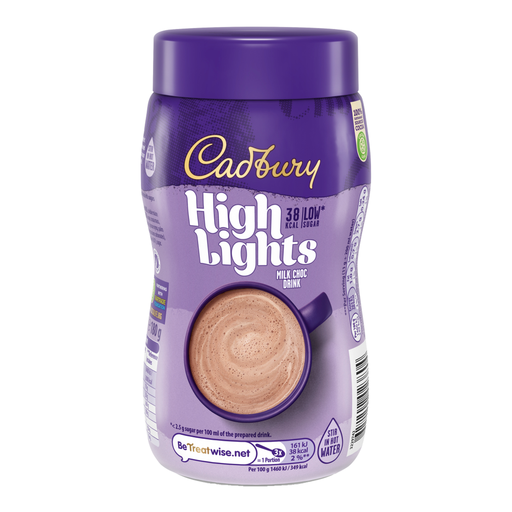
This Cadbury drink is an option to consider when you want a simple hot chocolate during roast preparation. Check its pack for flavour, preparation and prepared-drink nutrition before deciding whether it suits a mild cup.
 No image available
Cadbury Highlights Milk Chocolate Drink 180g
For a drink during roast preparation, check the pack’s hot-water directions. Confirm the flavour description, prepared-drink sugars and allergen information on the current pack before serving.
View on Joybuy
Questions about mild hot chocolate
How can I make hot chocolate taste milder?
Start with a plain rather than a dark or strongly flavoured variety. With a powder drink, follow the pack’s guidance if you want to adjust the amount used; Marks & Spencer notes that adding more powder makes its powder drinks bolder. A light or low-calorie label is not a flavour-strength measure.
Is instant hot chocolate or cocoa powder easier during roast prep?
An add-water instant drink involves fewer preparation steps: Tesco describes Cadbury Instant Hot Chocolate that way. Cocoa powder gives you more control over the mixture, but Cadbury’s Bournville drinking suggestion calls for hot milk.
Are dark hot chocolate flakes a good choice for a mild drink?
Not as a default for someone requesting a gentle flavour. Marks & Spencer describes its Belgian dark flakes, made with 70% cocoa solids, as producing a deep drink; choose them when that more pronounced cocoa profile is wanted.
Can I use a retailer page to check allergens for a guest?
Check the physical pack you are serving rather than relying only on a retailer page. Read both its ingredients and any precautionary statement relevant to the guest’s allergy; the Food Standards Agency explains that ‘may contain’ statements communicate possible unintended allergen presence.
Does a vegan label establish that a drink is suitable for someone with a milk allergy?
No definite allergy conclusion follows from a vegan label alone. Check the exact pack’s allergen declaration and precautionary statements before serving it; the Food Standards Agency explains that precautionary labelling can signal potential unintended allergen presence.


