For adults trying to reduce calories or saturated fat from everyday milk, lower-fat options are the more relevant starting point: NHS guidance names semi-skimmed, 1% and skimmed milk for people trying to lose weight. If you prefer whole milk, compare its label with the amount you actually pour and consider how that serving fits into your overall intake. A mild-taste description or filtered format does not, by itself, establish a lower-calorie choice.
Who is this choice for?
Adults reviewing everyday milk use
If milk goes into several drinks, bowls of cereal or recipes each day, the amount used can matter more than the description on the carton. NHS weight-management guidance identifies lower-fat milk as an option when reducing calorie intake.
Shoppers who prefer whole milk’s taste
If you prefer a creamy taste, you can compare whole milk by its nutrition panel and your usual serving. The reviewed whole-milk labels from Tesco Groceries and Sainsbury’s declare energy and saturated fat per 100 ml; taste wording does not replace those figures.
Households buying milk for different ages
An adult’s weight-management choice need not become a household-wide change. NHS advice discusses lower-fat milk for older children and adults; check age-specific guidance before changing a younger child’s main drink.
What matters when choosing milk?
Decide whether the everyday choice is whole or lower-fat milk, then compare labels on the same serving basis. If you retain whole milk, pack format and opened-life instructions become practical considerations too.
Lower-fat milk
Consider it when: Reducing calories or saturated fat from routine milk use is the priority; NHS weight-management guidance names semi-skimmed, 1% and skimmed milk.
Trade-off: Its taste and texture may not meet the same preference that draws you to whole milk.
Whole milk in a planned portion
Consider it when: You value the taste enough to account for the amount used in drinks, cereal or cooking.
Trade-off: Sainsbury’s declares 132 kcal and 4.8 g saturates for a 200 ml serving of its reviewed British whole milk.
| Priority |
What to check |
Your needs |
| Everyday serving |
Compare energy and saturates per 100 ml, then use the amount you normally pour. Sainsbury’s declares 66 kcal and 2.4 g saturates per 100 ml for its reviewed whole milk. |
Milk goes into several drinks or meals in my day, so I want to judge the total amount I use rather than one small splash. |
| Taste and format |
Check the nutrition panel independently of words such as ‘mild’ or ‘filtered’. Tesco Groceries declares 65 kcal and 2.3 g saturates per 100 ml for the reviewed Cravendale filtered whole milk. |
I prefer a creamy taste, but I do not want a freshness or taste description to stand in for a nutrition comparison. |
| Storage |
Match pack size to likely use and follow that pack’s opened-life instructions. The reviewed Cravendale filtered milk states up to 7 days once opened; Waitrose says to refrigerate its long-life whole milk below 5°C and use it within 5 days after opening. |
When I use only a little milk at a time, I need a pack I can realistically finish within its labelled period. |
| Household use |
Check the allergen label for each product and consider who will drink it. Sainsbury’s identifies milk as an allergen on its reviewed pack; NHS lower-fat advice cited here concerns older children and adults. |
I buy milk for people of different ages, or need to check ingredients before choosing a shared carton. |
Common buying mistakes
-
Reading ‘mild’ or ‘filtered’ as a nutrition claim
Taste and freshness descriptions do not tell you the energy or saturated fat in your serving. Tesco Groceries declares 65 kcal and 2.3 g saturates per 100 ml for the reviewed Cravendale filtered whole milk.
Compare nutrition panels per 100 ml and for the quantity you plan to use; include lower-fat milk in the comparison if reducing intake is your main aim.
-
Overlooking milk used throughout the day
A serving can be larger than a splash: Sainsbury’s declares 132 kcal and 4.8 g saturates per 200 ml for its reviewed British whole milk.
Measure a typical pour for drinks, cereal or cooking before deciding which milk and serving size suits your routine.
-
Choosing a pack without checking opened life
Opened-life instructions differ between the reviewed fresh, filtered and long-life products. A pack that outlasts your intended use may leave milk unused.
Compare the current pack’s storage instructions with how quickly your household finishes it, and follow its directions after opening.
-
Applying an adult milk choice to every household member
An adult’s reason for comparing lower-fat milk may not be the right basis for choosing a young child’s main drink.
Check guidance for the child’s age separately. The NHS advice cited for lower-fat choices addresses older children and adults.
Brands and product lines to compare
These examples illustrate different whole-milk formats and labels, not weight-management claims for entire brands. Compare the exact product and pack you intend to use.
Cravendale
The reviewed Cravendale product is filtered fresh whole milk in a 1 L pack.
- Tesco Groceries states up to 7 days once opened and up to 3 weeks unopened for this product.
- Its declared values are 65 kcal and 2.3 g saturates per 100 ml; filtering is not a lower-fat claim.
Tesco
Tesco Groceries lists the reviewed Cravendale filtered fresh whole milk.
- Its product listing provides per-100 ml nutrition and stated freshness periods for that 1 L pack.
- Check the label of the exact milk you choose rather than applying those Cravendale figures to another product.
Sainsbury’s
The reviewed British whole milk is a standard fresh option in a 1.13 L, 2-pint pack.
- Sainsbury’s declares 66 kcal and 2.4 g saturates per 100 ml, plus values for a 200 ml serving.
- The reviewed pack says to keep it below 5°C and consume it within 3 days of opening.
Asda
If comparing an Asda whole milk, use the label on the exact pack as the basis for your decision.
- Compare energy, saturates, pack size and storage instructions on the same basis as other options.
- Do not assume that a taste description establishes a different nutrition profile.
M&S
The reviewed Irish Whole Milk has nutrition values stated per 100 g, rather than per 100 ml.
- M&S declares 65 kcal, 3.7 g fat and 2.4 g saturates per 100 g.
- Its instructions specify storage at 0°C to +5°C and consumption within 3 days of opening. Keep the different nutrition units in mind when comparing labels.
Waitrose
The reviewed essential long-life whole milk is a format to consider when unopened cupboard storage fits your routine.
- Waitrose declares 66 kcal and 2.4 g saturates per 100 ml for this product.
- After opening, its instructions say to refrigerate below 5°C and use within 5 days; the long-life format is not a lower-fat choice.
Whole-milk powder options on Joybuy
These options are whole-milk powders for preparing a drink, not ready-to-drink fresh whole milk. If you are planning a serving, compare the mixing directions and nutrition information for the amount you prepare.
 No image available
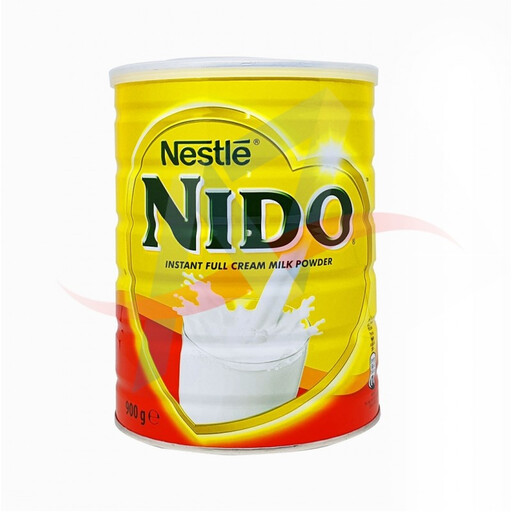
NIDO Nestle Whole Fat Instant Milk Powder, 900 g
For a prepared whole-milk drink, use the pack’s mixing directions and compare its nutrition declaration with the serving you make. This is instant milk powder, not fresh liquid milk, and requires preparation with water. Check the pack’s storage directions after opening.
View on Joybuy
 No image available
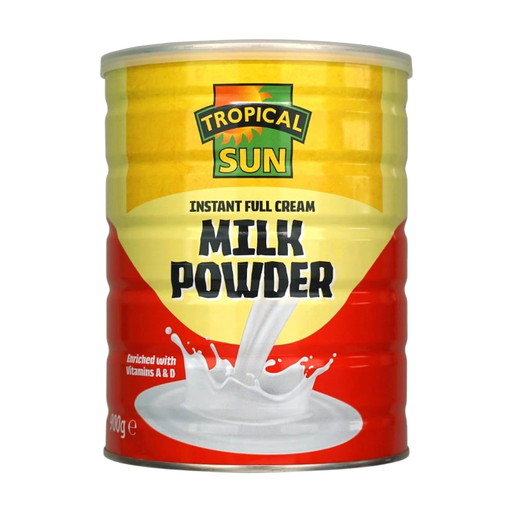
Tropical Sun Full Cream Milk Powder, 900 g
For a measured milk drink, follow the preparation directions and check the nutrition information against the powder used in your serving. This full-cream milk powder needs mixing with water rather than pouring straight from a fresh carton. A creamy taste description does not establish a mild taste or a lower-calorie drink.
View on Joybuy
Frequently asked questions
Should I switch from whole milk if I am trying to reduce calories?
Compare lower-fat milk as an everyday option: NHS weight-management guidance names semi-skimmed, 1% and skimmed milk. If you prefer whole milk, check the amount you use and account for it alongside the rest of your intake rather than treating it as a lower-calorie product.
Does mild or filtered whole milk have fewer calories?
Those descriptions alone do not establish a calorie difference. Tesco Groceries declares 65 kcal, 3.6 g fat and 2.3 g saturates per 100 ml for the reviewed Cravendale filtered whole milk. Compare the nutrition panels of the specific products you are considering.
How can I compare milk labels with the amount I drink?
Start with values per 100 ml and relate them to your usual pour. Sainsbury’s declares 132 kcal and 4.8 g saturates per 200 ml serving for its reviewed British whole milk; a different amount needs its own serving calculation.
Will long-life whole milk reduce the fat in my serving?
Long-life describes a storage format, not a lower-fat category. Waitrose declares 66 kcal, 3.7 g fat and 2.4 g saturates per 100 ml for its reviewed essential long-life whole milk. Choose its format for storage needs while judging nutrition from the label.
Can the whole household follow my adult milk choice?
Check each person’s needs rather than making an automatic household-wide change. The NHS lower-fat advice cited here addresses older children and adults; check age-specific guidance before changing a younger child’s main drink, and check each product’s allergen label where milk allergy is a concern.


