
24/7 Customer Support

Free returns

Same-day & Next-day Delivery

Quality Guaranteed

Unlock Your Welcome Offers: FREE Delivery | Up to 80% OFF | Free 30-day JoyPlus trial
Download the APP
A women's military anorak jacket can be a useful middle layer for British spring and autumn weather, but not every utility-style coat delivers the same practicality. Some look rugged yet use lightweight fabric, while others have several pockets that are too shallow to secure everyday items. A jacket may also appear weather-ready while offering no meaningful water-resistance information.
This guide from the Joybuy Product Recommendation Officer focuses on the details that matter when comparing a women's utility jacket, safari jacket or military-style coat for commuting, casual weekends and light outdoor use.
Military-inspired styling does not automatically mean a jacket is windproof, waterproof or suitable for demanding outdoor conditions. A cotton anorak jacket may offer structure and some resistance to light wind, but it should not be treated as a waterproof shell unless the product specification clearly says so.
For changeable UK weather, check whether you need:
A jacket with utility pockets may look practical, but the useful details are pocket depth, closure type and placement. Open pockets can allow keys or cards to fall out when cycling, travelling or walking. Look for secure flaps, zips or snap buttons where possible, and consider whether the pockets remain accessible when the jacket is fastened.
Terms such as “durable” can be vague without a fabric composition or weight. The featured military anorak styles use 100% cotton at 320 GSM, which indicates a relatively substantial fabric with a more structured feel than a lightweight overshirt. However, cotton is not automatically waterproof, and its care requirements may be less convenient than machine-washable technical fabric.
Always read the washing instructions before purchase. The cotton styles listed here require cold hand washing, gentle handling and hang drying. Do not bleach, wring or dry-clean them.
For a classic women's military-style coat, 100% cotton can provide a firm, comfortable feel suited to transitional weather. A weight of 320 GSM helps create a substantial outer layer, although warmth will also depend on the fit, lining and what you wear underneath.
For wetter or more demanding use, compare this with a technical shell. The PELLIOT outdoor jacket specifies a lighter, elastic outer fabric with waterproof, breathable, wind-resistant and abrasion-resistant properties. The Ochama Pangolin 500 Series lists a T800 stretch outer layer and a waterproof, moisture-permeable membrane.
These are different categories rather than direct substitutes: cotton prioritises everyday style and structure, while a hard shell prioritises weather protection and movement.
A zip-up jacket with snap buttons gives you two layers of front closure. The zip provides the main fastening, while the snaps cover the front and can help reduce exposure to wind. Check that the zip moves smoothly and that the snap placket does not interfere with your usual tops or bags.
A stand-up collar can provide additional coverage around the neck, but it does not replace a hood during persistent rain. If a hood is important for commuting or walking, confirm that it is included in the product details rather than assuming it from the anorak styling.
Do not select a size from the label alone. Compare your bust, shoulder and sleeve measurements with the seller’s chart. A fitted jacket may look neater but leave insufficient room for a jumper. A looser cut can be more practical for weekend trips and light outdoor activities.
For technical jackets, also check garment measurements. The PELLIOT listing provides chest, shoulder, sleeve and length measurements, together with height-and-weight guidance. This makes it easier to assess layering room before ordering.
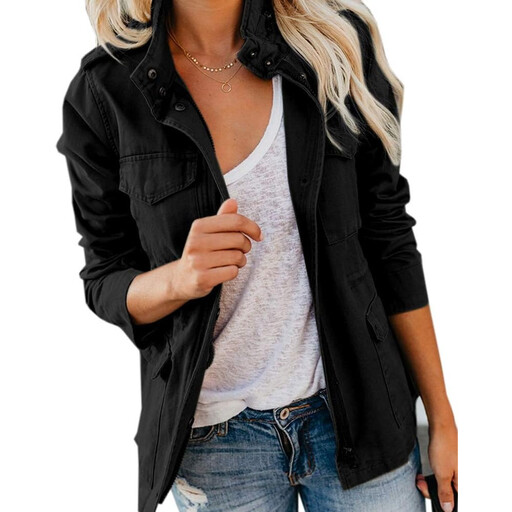
Why This Fits Their Persona: A straightforward everyday layer for shoppers building a versatile casual wardrobe, whether for town errands, coffee trips or weekend walks.
The listing states the fabric composition and 320 GSM weight, rather than relying only on military-style visual cues.
100% cotton construction, stand-up collar, utility pockets and combined zip-and-snap fastening.
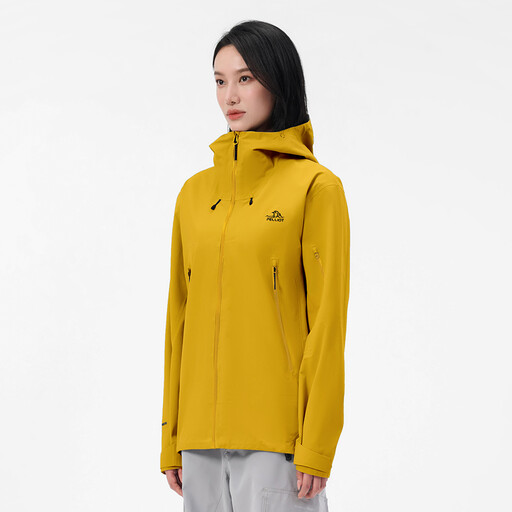
Why This Fits Their Persona: Suitable for shoppers who value technical features over traditional safari styling for travel, outdoor activities and wet-weather commuting.
The description specifies waterproofing, breathability, wind resistance and abrasion resistance instead of presenting appearance as weather protection.
Stretch outer fabric, breathable mesh lining, underarm vents and a zipped sleeve pocket.
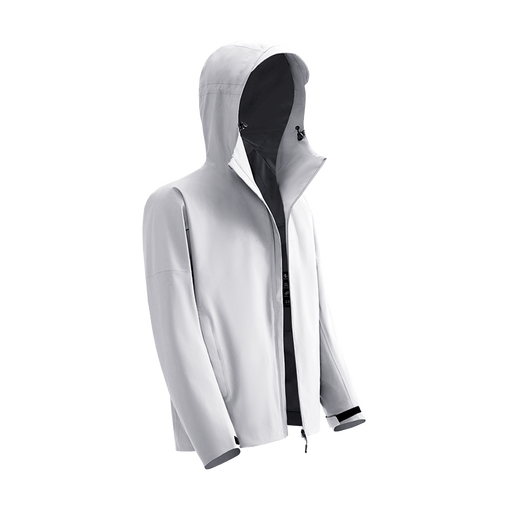
Why This Fits Their Persona: A practical alternative for frequent walkers, travellers and commuters who need a technical outer layer rather than a cotton fashion jacket.
Its material details identify a stretch windproof outer layer and waterproof, moisture-permeable membrane.
T800 stretch fabric, single-layer hard-shell construction and machine-wash care instructions.
A cotton anorak is most suitable for dry or lightly unsettled days. Follow the listed care instructions to help preserve its shape: wash cold by hand, avoid bleach, hang dry and iron only at medium heat. Do not wring the garment, as this can distort heavier cotton fabric.
For technical shells, close zips and hook-and-loop fasteners before machine washing on a gentle cold cycle. Avoid fabric softener where the instructions prohibit it, and check whether water-repellent treatment needs to be reapplied.
We have compiled a complete, real-time list of products that fully satisfy these strict selection criteria and UK safety regulations.
It depends on the fabric and finish. The listed 100% cotton styles are intended for spring and autumn wear but are not described as waterproof. For sustained rain, choose a product whose specifications explicitly mention waterproof construction, such as a technical hard shell.
Leave enough room for a top layer without restricting shoulder movement. Measure your bust, shoulders and sleeve length, then compare them with the product’s size chart. If you plan to wear knitwear underneath, avoid choosing a close-fitting size based only on your usual clothing label.
There is no electricity cost associated with wearing the jacket, but washing requirements affect convenience. Cold hand washing and hang drying avoid tumble-dryer use, while some technical jackets can be machine washed on a gentle cold cycle. Always follow the care instructions supplied with the individual product.