Hosts comparing milk fat
Semi-skimmed cow’s milk may suit drinks, sauces or desserts when you want less fat than whole milk. If reducing fat is the main aim, the NHS suggests considering 1% or skimmed milk.


Choose semi-skimmed milk if you want it for BBQ drinks, sauces or desserts without making fat reduction the overriding priority. If cutting dairy fat is the main aim, the NHS points to 1% or skimmed milk instead. Whichever type you choose, match the pack and its storage instructions to when you will shop, serve and use any milk left over.
Semi-skimmed cow’s milk may suit drinks, sauces or desserts when you want less fat than whole milk. If reducing fat is the main aim, the NHS suggests considering 1% or skimmed milk.
If you are shopping before the BBQ, compare the pack’s unopened and opened-life instructions. Filtered semi-skimmed products can have longer stated freshness windows, but they still need refrigeration and must be used by their use-by date.
Milk used in a sauce, dessert or drink still matters to a guest with a milk allergy. Check packaged ingredients and tell guests which homemade dishes contain milk.
Decide whether the milk type meets your fat-reduction aim, then choose a pack you can store and use within its stated dates.
| Priority | What to check | Your needs |
|---|---|---|
| Milk type and fat | Compare fat and saturates using the same nutrition basis. Tesco and Waitrose list checked semi-skimmed examples at around 1.7–1.8g fat and 1.0–1.1g saturates per 100ml; the NHS suggests 1% or skimmed milk when cutting fat is the priority. | I want milk for BBQ drinks or cooking, but I need to decide whether semi-skimmed meets my aim or whether to choose a lower-fat type. |
| Pack size | Estimate how much milk the drinks and recipes require, then check whether you will use the remainder after the event. The Tesco product page describes a 3.408L pack; Marks & Spencer and Waitrose list 1.136L fresh packs. | A smaller pack suits my plans if milk is only needed for a few drinks; a larger one makes sense only if I expect to use it in time. |
| Storage and dates | Check the use-by date, refrigeration instructions and time allowed after opening. Waitrose lists up to one month unopened and seven days opened for its filtered 2L product; its Essential 1.136L fresh product says to consume within three days of opening. | I am buying before the BBQ, so the stated dates must cover the event and any milk I plan to use afterwards. |
| Milk ingredients | Check ingredients and allergen information on packaged sauces and desserts. GOV.UK identifies milk as one of the 14 allergens food businesses must declare when it is an ingredient. | I need to tell guests if milk is in a homemade sauce or dessert, even when it is not obvious from the finished dish. |
Semi-skimmed milk is not the lower-fat alternative the NHS specifically suggests for people trying to cut down on fat.
Compare the nutrition panels for semi-skimmed, 1% and skimmed milk rather than relying on a general description such as “lighter”.
Opened-life instructions differ: the checked Marks & Spencer and Waitrose Essential fresh packs say three days, Tesco’s 3.408L pack says best within five days, and the checked filtered products state seven days.
Allow for drinks and recipes after the BBQ as well as those served on the day, and follow the pack’s use-by date.
A pack larger than you can use within those dates may leave milk to discard.
A guest may not be able to tell that a prepared dish contains milk. GOV.UK identifies milk as an allergen that food businesses must declare when it is an ingredient.
Keep ingredient information to hand, tell guests when homemade food contains milk and do not describe a milk-containing dish as dairy-free.
These examples show how pack size and stated freshness differ between specific semi-skimmed products; check the pack you are buying.
The filtered 2L semi-skimmed product listed by Waitrose & Partners may suit shopping ahead of a BBQ.
Tesco Groceries lists a 3.408L British semi-skimmed milk pack for plans involving a larger quantity.
Marks & Spencer lists a 1.136L fresh semi-skimmed pack that may fit a shorter period of use.
Waitrose & Partners lists both a filtered 2L semi-skimmed product and an Essential 1.136L fresh product, giving shoppers different stated use windows.
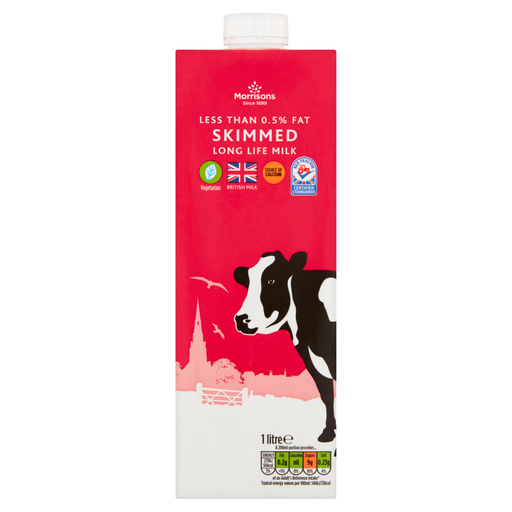
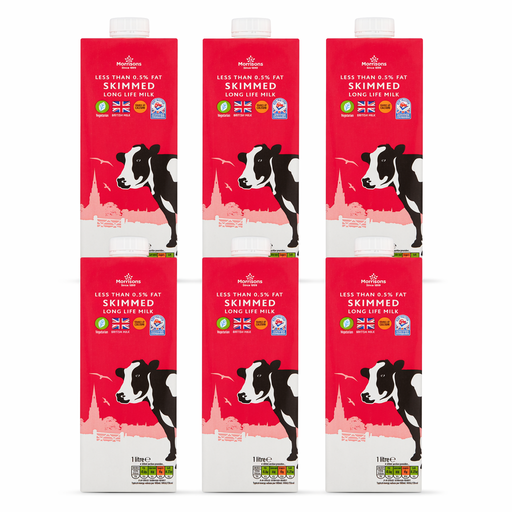
These Joybuy options are skimmed UHT milk, not semi-skimmed milk. They are relevant if reducing dairy fat matters more to you than choosing the semi-skimmed type; compare the single carton with the six-pack against the amount you expect to use.
 No image available
A single 1-litre carton is an option when you want skimmed rather than semi-skimmed milk for BBQ drinks or recipes. Check its carton date if buying ahead. The listing says to refrigerate after opening and use within three days; it also states that the product is not suitable for children under five.
 No image available
Six 1-litre cartons may fit plans involving milk across several drinks or recipes, provided you expect to use the pack. This is skimmed, not semi-skimmed milk. Check each carton date when buying ahead; the listing says to refrigerate an opened carton and use it within three days, and states that the product is not suitable for children under five.
Choose according to how important reducing dairy fat is to you. Semi-skimmed milk can be used for drinks and recipes, while the NHS specifically suggests considering 1% or skimmed milk when cutting fat is the priority. The choice of milk alone does not determine the fat content of the whole meal.
Yes, if its on-pack date covers your plans and you can keep it refrigerated as instructed. Waitrose & Partners lists up to one month unopened and seven days opened for its filtered 2L product; its Cravendale listing states up to three weeks unopened and seven days opened. Neither stated window overrides the use-by date.
Follow the instructions for the particular pack and its use-by date. The checked Marks & Spencer and Waitrose Essential fresh products say three days after opening, Tesco’s 3.408L product says best within five days, and the checked filtered products state seven days. Keep products refrigerated as directed.
Tell guests that the homemade dish contains milk, especially if someone has a milk allergy, and check the labels of packaged ingredients. GOV.UK identifies milk as one of the allergens food businesses must declare when it is an ingredient in their products.