
24/7 Customer Support

Free returns

Same-day & Next-day Delivery

Quality Guaranteed

Unlock Your Welcome Offers: FREE Delivery | Up to 80% OFF | Free 30-day JoyPlus trial
Download the APP
Finding the right milk chocolate bar can feel surprisingly complex. You might be looking for a simple afternoon treat, a bar big enough for sharing on movie night or just a reliable option to keep in the cupboard. When you want to buy chocolate online UK, the sheer number of choices can be overwhelming.
As the Joybuy Product Recommendation Officer, my role is to help you navigate the options. This guide cuts through the clutter, focusing on practical information to help you choose a quality chocolate snack that suits your taste and needs, with the convenience of chocolate bar delivery right to your door.
Before we look at specific products, here are a few points to consider that can help you find a bar you’ll truly enjoy.
The balance between cocoa and milk solids is what defines the character of a milk chocolate bar. A higher percentage of milk solids generally results in a more creamy chocolate bar with a milder, sweeter taste. Conversely, a higher cocoa content will provide a richer, more pronounced chocolate flavour. Check the ingredients list for total milk constituents and cocoa solids to get an idea of the flavour profile you can expect.
The right chocolate often depends on how you plan to enjoy it. Are you looking for a small, portion-controlled treat? Individually wrapped bars, like a Kinder chocolate bar, are ideal. For a moment of personal indulgence, a standard 100g bar of Lindt milk chocolate is a classic choice. If you need sharing chocolate for family and friends, a larger 180g bar like Cadbury Dairy Milk is a more practical and economical option. Some larger, plainer bars can also be used as a simple baking chocolate for chopping into cookies or melting into sauces.
Beyond the basic ingredients, think about the texture you prefer. Some people love a classic, snappy bar that breaks cleanly, while others might prefer a softer bite with a filled centre. Additions like barley malt extract can also introduce subtle, complex notes to the overall flavour, offering a different experience from a straightforward milky taste.
Here are a few standout options available for delivery, each offering something a little different.
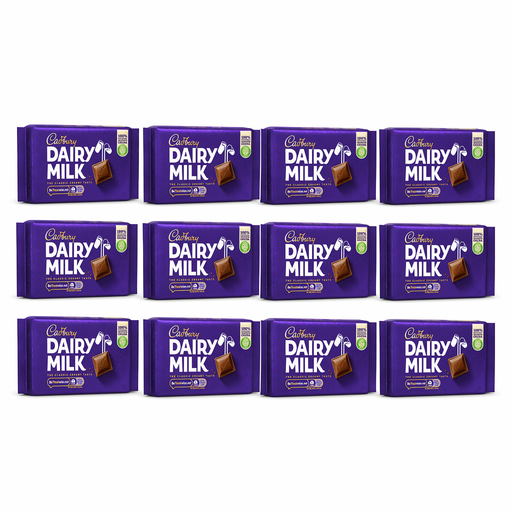
Why It Stands Out: An undeniable icon of British confectionery, Cadbury Dairy Milk is famous for its distinctively milky and creamy taste. The brand's long-standing recipe, which includes a generous amount of milk, gives this bar its signature smooth texture and comforting flavour that has been a household favourite for generations.
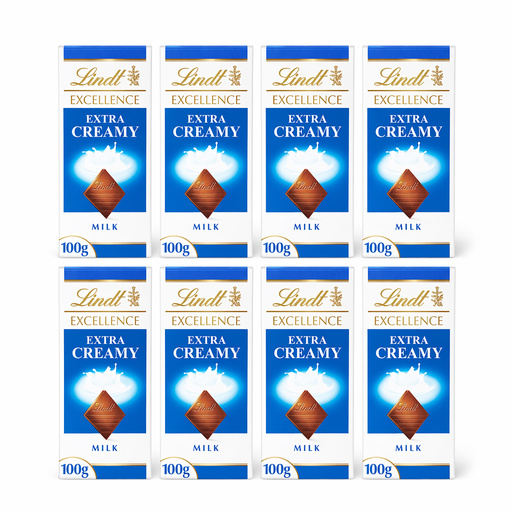
Why It Stands Out: The Lindt Excellence milk chocolate bar offers a more refined and smoother experience. With cocoa solids at 30% minimum and milk solids at 20% minimum, it strikes a sophisticated balance between richness and creaminess. The inclusion of barley malt extract adds a subtle depth that elevates it beyond a simple sweet treat.
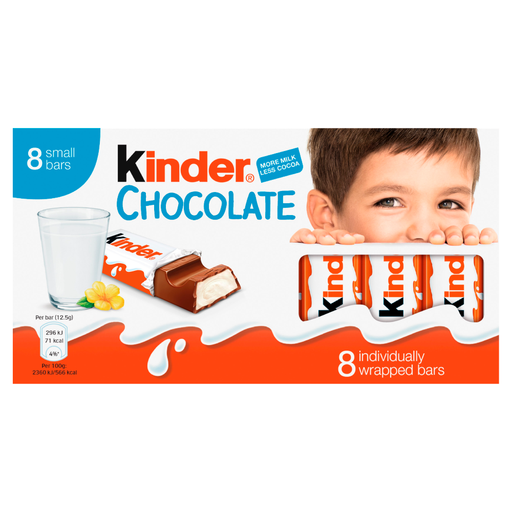
Why It Stands Out: Kinder Chocolate is unique for its construction: a fine milk chocolate shell encasing a soft, milky filling. With total milk constituents at 33%, it delivers an intensely creamy and sweet flavour that is particularly popular with children and adults who have a sweet tooth. The pack contains eight individually wrapped small bars, making it perfect for portion control.
While these three are excellent starting points, the world of chocolate is vast. If you're interested in different formats, such as slender chocolate sticks that are perfect for dipping or decorating, there are many other varieties to discover.
Explore our full range of chocolate sticks and other confectionery to find your next favourite treat.
The primary difference lies in the ingredients. In the UK, milk chocolate must contain a minimum of 20% cocoa solids and 20% milk solids. Dark chocolate, on the other hand, has a much higher percentage of cocoa solids and contains little to no milk solids, giving it a more intense, less sweet flavour.
For many simple home baking recipes, such as chopping up a bar to make chocolate chip cookies or melting it for a drizzle, a good quality milk chocolate bar will work well. However, dedicated baking chocolate is formulated with a different ratio of cocoa butter and solids to ensure it melts more smoothly and sets correctly, which can be important for more technical recipes like ganaches or coatings.
To maintain its flavour and texture, store your chocolate in a cool, dry place, away from direct sunlight and strong odours (as chocolate can absorb them). It is generally not recommended to store chocolate in the refrigerator, as the moisture can cause "sugar bloom"—a harmless but unappealing white, grainy coating on the surface.