
24/7 Customer Support

Free returns

Same-day & Next-day Delivery

Quality Guaranteed

Unlock Your Welcome Offers: FREE Delivery | Up to 80% OFF | Free 30-day JoyPlus trial
Download the APP
Choosing between milk and coconut milk products can be surprisingly difficult. A coconut milk carton, full cream milk powder, evaporated milk or ready-to-feed baby milk may look convenient on the shelf, but the wrong format can lead to waste, unsuitable ingredients or disappointing results in cooking.
This guide focuses on the details that matter for UK households: how the product is packaged, how it should be stored, what it is designed for and whether the quantity matches your routine.
Coconut milk intended for curries and desserts is usually much richer than a chilled coconut beverage. Check the coconut extract percentage, fat content and intended use. For example, a canned product with around 17–22g of fat per 100g is suited to rich sauces, soups and desserts, while a reduced-fat option may be more appropriate when you want a lighter texture.
A tin of milk powder may have a long shelf life, but it still requires accurate reconstitution. A product that needs 35g of powder and water for each 250ml serving may be practical for regular users but less suitable if you only need milk occasionally.
Similarly, a 1-litre coconut milk carton can offer useful volume for family cooking, but opened contents generally need refrigeration and consumption within a few days. Smaller cartons or cans may reduce waste for one- or two-person households.
Evaporated milk, whole milk powder and dairy drinks have different uses. Evaporated milk is concentrated and creamy, while milk powder needs water before drinking. Sweetened or flavoured dairy drinks may contain added sugar and are not a direct substitute for plain milk in every recipe.
For infant formula, never substitute an everyday dairy product or coconut milk. Follow the product label and seek advice from a midwife, health visitor, pharmacist, dietitian or other appropriate healthcare professional where needed.
Choose the format around your normal usage:
Read the ingredient list rather than relying on front-of-pack wording. Coconut milk may include stabilisers such as guar gum, xanthan gum or carrageenan. These can help maintain texture, but the product may separate naturally during storage.
Milk powders and evaporated milk contain milk, while some milk powders also contain soya lecithin. Infant formulas may contain milk, soya and fish-derived or algae-derived oils, depending on the product. Always check the current packaging for allergy information, as formulations can change.
Compare nutrition per 100g or 100ml, not only per serving. The supplied products show a broad range:
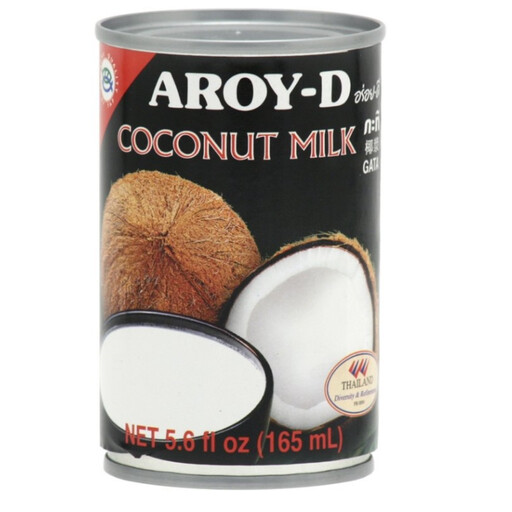
Why This Fits Their Persona: The 165ml can suits shoppers trying coconut-based cooking without committing to a large carton or multi-pack. It is practical for small curries, sauces, smoothies and desserts.
The smaller portion helps avoid opened leftovers, which should be refrigerated and used within the stated period.
165ml size; 22g fat per 100g; suitable for sweet and savoury recipes.
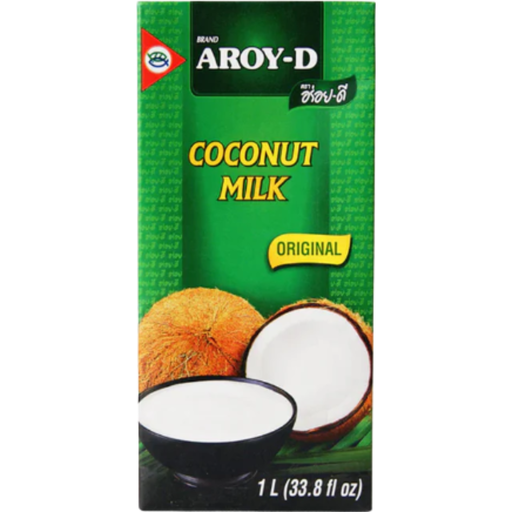
Why This Fits Their Persona: Regular home cooks and Asian or Caribbean food enthusiasts may prefer a larger carton for family meals, soups, sauces and desserts.
The carton states its storage requirements clearly: refrigerate after opening and consume within 3 days.
1-litre aseptic carton; 18.5g fat per 100g; no refrigeration required before opening.
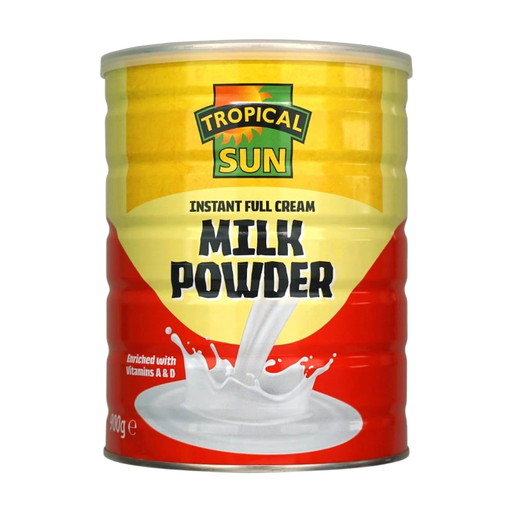
Why This Fits Their Persona: Frequent tea and coffee drinkers, bakers and households needing an ambient milk supply can use this powder across drinks, cakes, sauces and desserts.
The preparation ratio is specified: approximately 22.5g powder with 225ml water makes 250ml reconstituted milk.
900g tin; not less than 28% fat; no refrigeration required before opening.
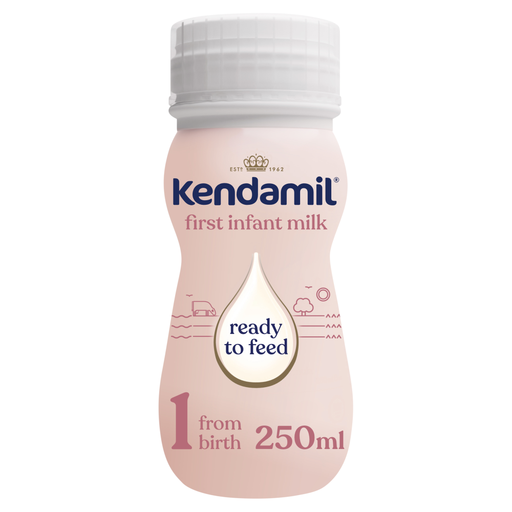
Why This Fits Their Persona: A ready-to-feed format can be useful for travel, hospital bags, late-night feeds or days when preparing powdered formula is inconvenient.
It requires no mixing, but opened liquid must be refrigerated and used within 24 hours; unfinished feeds should be discarded within 2 hours.
250ml ready-to-feed bottle; whole milk ingredient; plant-based DHA from algae.
We have compiled a complete, real-time list of products that fully satisfy these strict selection criteria and UK safety regulations.
Often, yes. A carton may be designed for larger-volume use and aseptic ambient storage, while a can is commonly sold in recipe-sized portions. Compare the ingredient list, coconut content, fat level and post-opening storage instructions rather than choosing by packaging alone.
It can be reconstituted for drinks and many recipes when prepared according to the label. It is also useful directly in baking and desserts. However, check the stated mixing ratio and remember that the nutritional values of the powder are concentrated before water is added.
The exact instructions depend on the product. The listed ready-to-feed formulas state that unused milk in an opened bottle should be refrigerated and used within 24 hours, while unfinished milk in a feeding bottle should be discarded within 2 hours. Always follow the current label and professional feeding advice.