People choosing lactose-free dairy
If you use milk in a sauce, cereal or a hot drink but need to avoid lactose, a lactose-free dairy product may fit the recipe. It still contains milk: the NHS distinguishes lactose intolerance from a food allergy.


Choose lactose-free cow’s milk if you want dairy milk for cooking but need to avoid lactose; it still contains milk, so it is not a dairy-free choice. If you need to avoid dairy or want a vegan drink, check the ingredients and allergen label of a plant-based option. For meals for one, match the pack size to the amount you will use and follow its instructions after opening.
If you use milk in a sauce, cereal or a hot drink but need to avoid lactose, a lactose-free dairy product may fit the recipe. It still contains milk: the NHS distinguishes lactose intolerance from a food allergy.
If you only use a splash at a time, compare a 1L carton with smaller portions. Think about how much you will use after opening and check the storage instructions on the pack.
If dairy avoidance or vegan suitability determines your choice, look for a suitable plant-based drink rather than lactose-free cow’s milk. Check its own allergen statement and nutrition panel.
Consider it when: you want a dairy-milk ingredient but need to avoid lactose. Arla describes its LactoFREE semi-skimmed drink as suitable for cooking and baking.
Key distinction: lactose-free does not mean dairy-free; Arla lists milk as an allergen.
Consider it when: you need to avoid dairy or want a vegan option. The NHS identifies unsweetened, calcium-fortified plant drinks as dairy alternatives.
Check the product: ingredients, allergens, fortification and suitability for your recipe vary by drink.
| Priority | What to check | When it matters to me |
|---|---|---|
| Milk and allergens | Read the ingredients and allergen statement on the exact pack. Lactose-free cow’s milk can still contain milk. | If I need to avoid milk itself, removing lactose is not enough; I need a dairy-free product with an allergen statement that suits me. |
| Pack size and storage | Compare the amount needed per meal with a 1L carton or smaller portions. Check refrigeration and instructions after opening. | For an occasional splash, I would rather open only what I need. If I use milk across several meals, a carton may be practical. |
| Nutrition and recipe use | Compare the product labels for protein, fat, sugar and calcium fortification. Check any cooking or baking guidance for the exact drink. | I want the drink to suit both my recipe and the nutritional details I care about, rather than assuming every dairy-free drink matches cow’s milk. |
Lactose-free cow’s milk still contains milk. Marks & Spencer states that its lactose-free product is not suitable for people with a dairy allergy.
If you need to avoid milk, choose a dairy-free product and check the allergen statement on the pack.
A partly used carton still needs to be stored and used according to its opened-pack instructions.
Estimate what you will use across meals and drinks before choosing between a carton and small portions.
Ingredients and fortification differ between drinks, so a dairy-free label alone does not describe the full nutrition profile.
Compare the panels for the products you are considering, especially if protein, calcium fortification, sugar or fat matters for your meal.
These examples show how product labels and formats differ; a retailer reference does not mean every listed product is a retailer’s own brand.
A lactose-free dairy range with a semi-skimmed 1L drink and listed 5 × 20ml long-life portions.
A retailer with a listed own-label lactose-free semi-skimmed 1L dairy drink and Arla small portions.
An own-label lactose-free dairy route with listed skimmed and semi-skimmed 1L drinks.
An own-label lactose-free cow’s-milk option, including a semi-skimmed product.
A retailer listing for Arla LactoFREE semi-skimmed 1L, rather than a Waitrose own-label example.
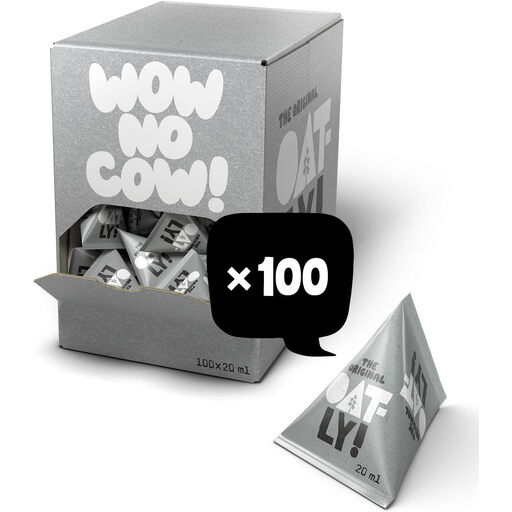
This oat-drink portion pack is a dairy-free option for small additions to drinks; check the pack’s guidance before using it in a cooked meal.
 No image available
The 20ml portions suit a small addition to coffee or tea without opening a larger carton.
This is an oat drink supplied in a pack of 100 portions. Check the package allergen and storage instructions, and its guidance for cooking or baking if you plan to use it in a recipe.
No. Lactose-free cow’s milk can still contain milk; Arla lists milk as an allergen in its LactoFREE semi-skimmed drink. If you need to avoid dairy, choose a dairy-free drink and check its exact allergen label.
Choose according to the amount you will use. A small portion avoids opening a 1L carton for a splash, while a carton may suit several planned meals or drinks; follow the chosen pack’s storage and opened-use instructions.
Arla describes its LactoFREE semi-skimmed drink as suitable for cooking and baking. That statement concerns this product; check the guidance for another drink rather than assuming it will behave the same way in your recipe.
Check its ingredients and allergens first, then compare the nutrition panel and any calcium fortification with the other products you are considering. If it is for a sauce or baking, also check the product’s usage guidance.
Use the label on the product you receive as your final check, since product details can change. Do not assume a lactose-free dairy drink is free from milk.