Small-team latte makers
If one or two people normally make drinks together, a compact automatic frother may be easier to accommodate than a larger vessel. Check its foam limit and cleaning instructions rather than judging it by size alone.


For shared-office lattes, start with an automatic frother whose milk-contact parts can be cleaned between users, then choose its foam capacity according to how many drinks are made in the same break. A compact model can suit one or two drinks at a time; a larger vessel may reduce repeat cycles when colleagues queue, but needs more counter space. Before buying, agree who will clean the frother, how different milks will be handled and whether the office permits the appliance.
If one or two people normally make drinks together, a compact automatic frother may be easier to accommodate than a larger vessel. Check its foam limit and cleaning instructions rather than judging it by size alone.
When several colleagues want milk drinks in the same break, the frothing limit and guidance on consecutive cycles matter more than the number of people who use the coffee point overall.
A shared jug needs an agreed routine for dairy and plant-based milk. Choose a model that supports the milks people intend to use, and decide how its milk-contact parts will be cleaned between drinks.
Set the cleaning routine first, compare the foam limit with the busiest break, then check drink settings and workplace arrangements. Heating capacity and frothing capacity can differ: Nespresso lists 240 ml for hot milk but 120 ml for foam on the Aeroccino 4.
| Concern | What to check | Who this matters to |
|---|---|---|
| Cleaning and shared milk use | Check which milk-contact parts detach, how the maker says to wash them and whether they are dishwasher-safe. Agree how the jug will be cleaned between milk types. | If I share a jug with colleagues using different milks, I want the next person to know it has been cleaned. Around 36% of consumers would put cleaning and allergy-aware sharing first. |
| Capacity during breaks | Compare the maximum foam fill line with the drinks usually made together, and check guidance on consecutive cycles. | When several colleagues make lattes in one break, repeating small batches could hold up the queue. Around 27% of consumers would make break-time capacity their primary concern. |
| Milk and drink options | Check for the hot-milk or hot-foam setting your latte needs and whether the exact model supports the milks colleagues use. | I may want hot milk for one drink and foam from a plant-based milk for another, without assuming both will behave alike. Around 19% of consumers would put milk and drink flexibility first. |
| Space and office permission | Check the appliance dimensions and ask who approves, owns and maintains electrical equipment at the coffee point. | If counter space is tight or appliance approval is uncertain, I need a model the office can accommodate and manage. Around 18% of consumers would treat that as their primary concern. |
The foam limit may be lower. Nespresso specifies 120 ml for foam and 240 ml for hot milk on the Aeroccino 4, so the heating figure alone does not tell you how many foamy drinks fit in one cycle.
Use the marked frothing limit when planning for the busiest shared break.
Dishwasher suitability does not establish when colleagues will clean the jug or how they will avoid milk cross-contact. UK government allergen guidance addresses food businesses supplying food or drinks to consumers; an ordinary staff-only coffee point should not be assumed to have those same duties.
Agree a clean-after-use routine and a way to handle the milk types colleagues bring before putting the frother into shared use.
The Health and Safety Executive says electrical equipment must be maintained to prevent danger, with checks and testing determined by the equipment and its working environment. An office may also have its own rules for communal or personal appliances.
Ask the office or facilities manager where the frother may be used and who is responsible for its checks, cleaning and replacement.
A handheld whisk and an automatic heated frother are different buying routes. A rechargeable whisk listing does not, by itself, establish that it can heat milk for a hot latte.
Choose a handheld model for hot lattes only after checking its functions and confirming that users have a suitable way to heat milk and a vessel in which to froth it.
The Aeroccino 4 illustrates the compact automatic route for light shared use.
The MilkEasy Plus is a compact automatic option for colleagues who use dairy and plant-based milks.
The Milk Frother Max illustrates a larger-capacity automatic route; Dualit also offers a separate steam-based preparation route.
These choices cover an automatic milk frother and a rechargeable handheld route. For a hot latte in a shared office, compare their preparation methods as well as the cleaning arrangements each would require.
 No image available
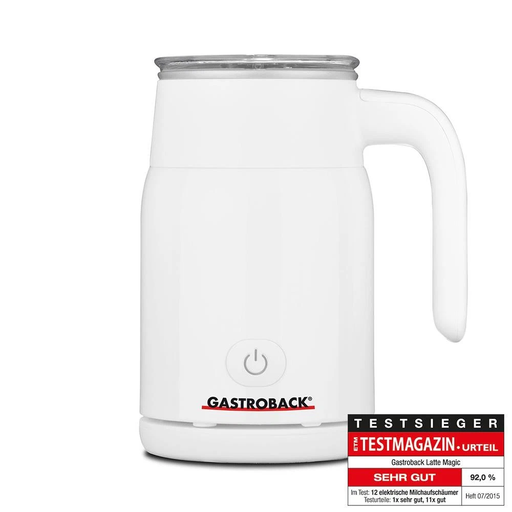
For colleagues considering an automatic frother during shared breaks, compare this model’s marked foam limit with the drinks made at one time. The white 62325 variant is listed as 500W; check its cleaning instructions, dishwasher suitability and guidance for the milks your office uses before sharing it.
 No image available
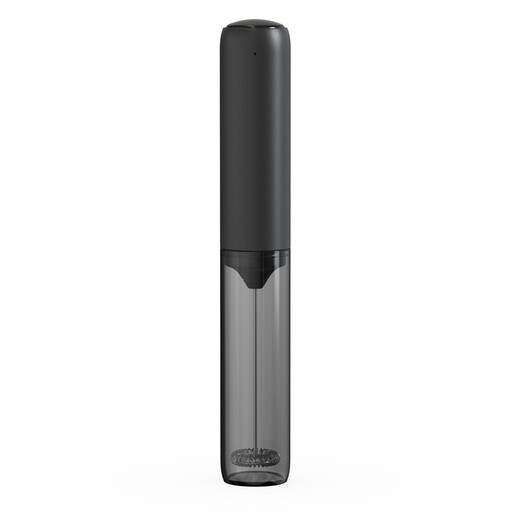
This handheld route suits colleagues who prefer a rechargeable frothing tool and are comfortable preparing drinks in a separate vessel. For hot lattes, check how milk will be heated; also confirm the whisk-cleaning method before several people use it.
Choose by the number of drinks made in the same break, not total staff numbers. Nespresso says the Aeroccino 4’s 120 ml foam limit serves two cappuccinos or one latte macchiato; for a busier break, Dualit lists 540 ml frothed-milk capacity for the Milk Frother Max. Compare foam limits rather than hot-milk capacities.
Check the exact model and the milk colleagues intend to use. Lavazza explicitly lists dairy and plant-based milk for the MilkEasy Plus, while Dualit notes that different milks froth at different rates. An agreed cleaning routine still matters when milk types are shared between users.
No. Dishwasher-safe parts can simplify washing, but colleagues still need to know when and how milk-contact parts are cleaned. If the organisation supplies drinks to consumers as a food business, the applicable UK government allergen guidance also calls for effective allergen handling; do not assume those specific duties apply to every staff-only coffee point.
An annual portable appliance test is not automatically required. The Health and Safety Executive says electrical equipment must be maintained to prevent danger, while the appropriate checks, inspections and testing depend on the equipment, its environment and previous findings. Confirm the office’s appliance policy and maintenance arrangements before use.