
24/7 Customer Support

Free returns

Same-day & Next-day Delivery

Quality Guaranteed

Unlock Your Welcome Offers: FREE Delivery | Up to 80% OFF | Free 30-day JoyPlus trial
Download the APP
The milk aisle has expanded far beyond the simple choice of skimmed or whole. From baby formula to barista-style oat milk, and from convenient long life milk to versatile powdered milk, the options can be overwhelming. As a Joybuy Product Recommendation Officer, my role is to help you see past the marketing clutter and make practical choices for your household's needs, whether you're preparing a baby's bottle, stocking the pantry or perfecting your morning coffee.
Before you make your next purchase, let's look at some common pitfalls that many shoppers encounter.
To avoid these issues, focus on a few core parameters. This will ensure the product you choose genuinely fits your needs.
The type of processing a milk product undergoes directly impacts its storage and convenience.
For parents, understanding baby formula stages is non-negotiable. It is widely acknowledged that breastfeeding provides a strong start for infants. However, when formula is used, it should be on the advice of a healthcare professional and the correct stage must be chosen.
When choosing dairy-free milk alternatives or ready-to-drink nutritional drinks, the ingredients list is your most reliable guide.
Based on these practical considerations, here are a few products matched to specific household needs.
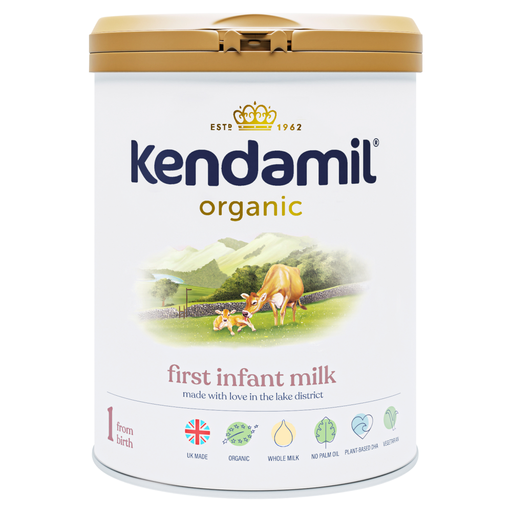
Why This Fits Their Persona: For new parents in the UK, ingredient transparency and adherence to nutritional standards are paramount. This formula is made in Britain with organic whole milk from local farms, providing a clear and straightforward option for those seeking a formula for their newborn.
It directly addresses the 'infant formula maze' by being clearly labelled as Stage 1, suitable from birth, removing ambiguity for parents making this important choice.
Uses organic whole milk as a natural fat source and is vegetarian-friendly, as it contains no fish oil. The formulation is also free from palm oil.
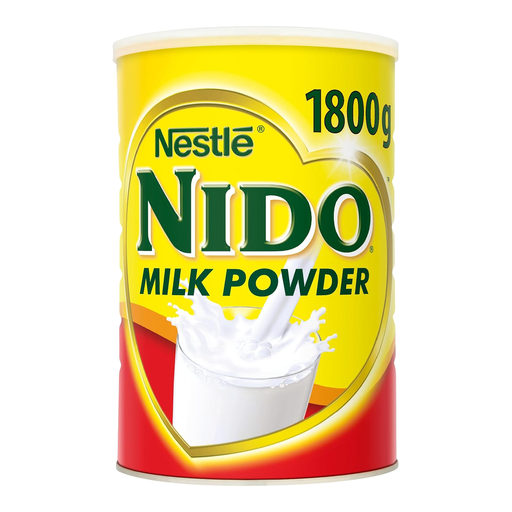
Why This Fits Their Persona: For busy families or anyone who values a well-stocked cupboard, this large tin of powdered milk is a practical solution. It eliminates the risk of running out of milk and reduces food waste, as you only prepare what you need for tea, coffee, cereal or cooking.
This product is the direct solution to the 'freshness vs. waste' dilemma. Its long shelf life and use-as-you-need nature prevent the waste associated with fresh milk spoilage.
Extremely versatile for drinking, cooking and baking. The large 1.8kg tin offers good value and convenience for households that use milk regularly.

Why This Fits Their Persona: For those who enjoy coffee-shop-style lattes and cappuccinos at home but prefer a dairy-free option, performance is key. This oat drink is specifically formulated to be heated and frothed, creating the creamy micro-foam that standard plant milks often fail to produce.
It avoids the pitfall of a seemingly 'healthy' alternative that underperforms. While its sugar content should be noted, its primary function—creating quality coffee—is its main selling point, and it is fortified with vitamins and calcium.
Specifically formulated to froth and steam for latte art. It is a long life milk alternative, allowing for convenient pantry storage.
We have compiled a complete, real-time list of products that fully satisfy these strict selection criteria and UK safety regulations.
1. What is the real difference between UHT and fresh milk? The main difference is the heat treatment process. Fresh milk is pasteurised at around 72°C for 15 seconds, which requires it to be refrigerated. UHT milk is heated to about 135°C for a few seconds, which sterilises it, allowing it to be stored in an airtight container at room temperature for months before opening. This affects shelf life and storage, but nutritionally they are broadly similar, though some find a slight taste difference.
2. Why are there different stages for baby formula? Infant nutritional needs change rapidly during the first year. Stage 1 (First Infant Milk) is whey-dominant, similar to breast milk and suitable from birth. Stage 2 (Follow-on Milk) is for babies over 6 months and has higher levels of iron to support them as they start weaning onto solid foods. It is important to follow the age guidance, as a follow-on milk is not a suitable substitute for a first infant milk for a newborn. Always consult a healthcare professional for advice on feeding your baby.
3. Which dairy-free milk alternative is good for tea and coffee? For coffee, especially for creating lattes or cappuccinos, a "barista edition" oat milk is often a reliable choice as it's formulated with a higher fat content and stabilisers to prevent splitting in hot drinks and to create a stable foam. For tea, many people find that soy or oat milk work well as they have a creamy texture and relatively neutral flavour that doesn't overpower the taste of the tea.