
24/7 Customer Support

Free returns

Same-day & Next-day Delivery

Quality Guaranteed

Unlock Your Welcome Offers: FREE Delivery | Up to 80% OFF | Free 30-day JoyPlus trial
Download the APP
Buying milk products online can seem straightforward until you compare powders, tins, cartons, flavoured drinks and infant formula. The wrong format may leave you with unnecessary waste, limited storage time or a product that does not suit the intended user.
This guide explains the practical differences between common milk products, the details worth checking on the label and suitable options for different UK households.
Milk powder is not ready to drink. It must be mixed with water according to the instructions, and the final quantity depends on the recommended ratio. A product such as NIDO Instant Full Cream Milk Powder 400 g is designed for reconstitution, cooking and baking rather than immediate consumption from the packet.
Check whether the product is:
This distinction matters when planning packed lunches, travel supplies or emergency cupboard storage.
Flavoured milk drinks can contain sugar, glucose-fructose syrup, sweeteners, flavourings and stabilisers. They may be suitable as an occasional drink or snack, but they should not automatically be treated as a replacement for plain milk.
For example, WANT WANT AD Calcium Milk Drink Strawberry Flavour contains 6.2 g of sugars per 100 ml and includes sweeteners. Dunn’s River Nurishment Banana Flavour contains 13.2 g of sugars per 100 g. Compare the per 100 ml or per 100 g nutrition panel rather than relying only on phrases such as “calcium” or “vitamin enriched”.
Long-life packaging does not mean every product can be stored indefinitely after opening. Evaporated milk generally needs refrigeration once opened. The Black & White Evaporated Milk 410 g listing advises refrigeration and use within four days, while Carnation Evaporated Milk advises using an opened tin within three days.
Powders also require careful storage. Keep them tightly closed in a cool, dry place and follow the stated period for use after opening. Always check the best-before date and packaging condition when your delivery arrives.
Choose the format around how your household will use it:
Look for the ingredient list, allergen statement and nutrition table. Milk products may also contain soya lecithin, fish oil, vegetable oils or other ingredients relevant to your household.
For a full cream milk powder, compare:
For evaporated milk, check fat content and whether the product contains stabilisers. For flavoured drinks, compare sugar and energy per 100 ml, as small cartons can encourage portion-based purchasing without showing the full daily intake.
Infant formula requires additional care. First infant milk is generally labelled from birth, while follow-on milk is intended for babies over six months as part of a mixed diet. Ready-to-feed formula reduces preparation steps, but opened bottles and unused feeds still need to be stored and discarded according to the label.
For powdered baby formula, use the supplied scoop, sterilise feeding equipment and follow the stated water temperature and mixing instructions. Do not alter the powder-to-water ratio. Breastfeeding is best for babies, and infant milk should be used on the advice of a doctor, midwife, health visitor, pharmacist, dietitian or another responsible healthcare professional.
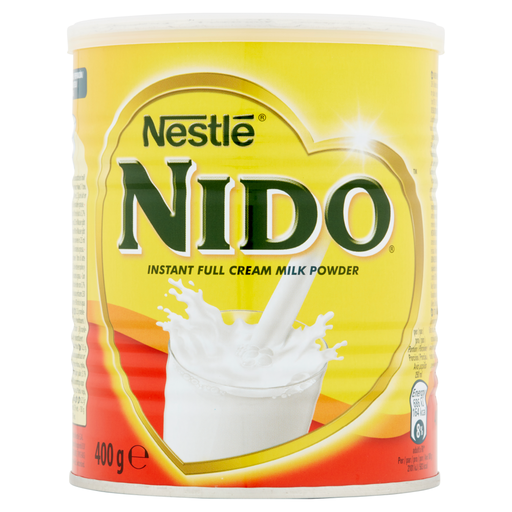
Why This Fits Their Persona: A compact cupboard staple for households that want milk for drinking, cereals and recipes without buying a large tin immediately.
The listing clearly states that it requires reconstitution, helping prevent a mistaken ready-to-drink purchase.
400 g pack; contains whole milk, vitamins A and D3, and can be used directly in cooking and baking.
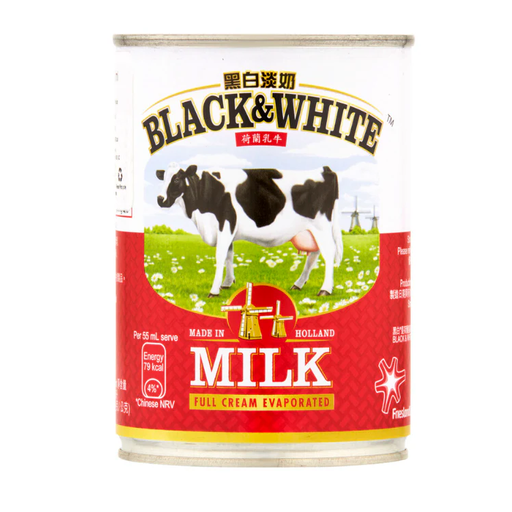
Why This Fits Their Persona: Suits shoppers looking for a creamy ingredient for milk tea, coffee, desserts and savoury dishes.
It is identified as evaporated milk rather than sweetened condensed milk, making the intended use clearer.
410 g can; whole milk base; suitable for drinks, desserts and cooking.
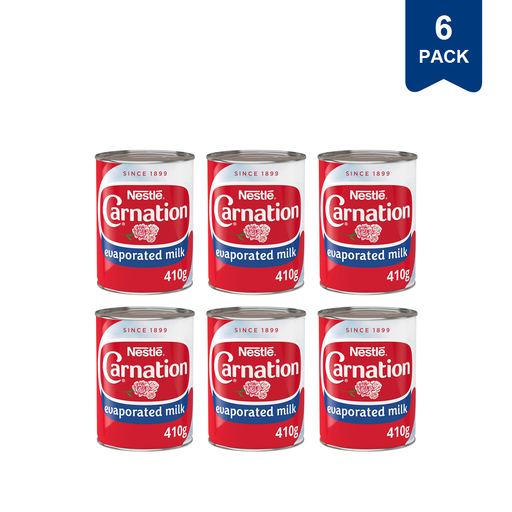
Why This Fits Their Persona: A multi-pack format for frequent bakers, large families and households that regularly use evaporated milk.
The six-pack makes the quantity visible upfront, reducing the risk of under-ordering for regular recipes.
Six 410 g tins; each tin contains eight stated servings; metal packaging is widely recyclable.
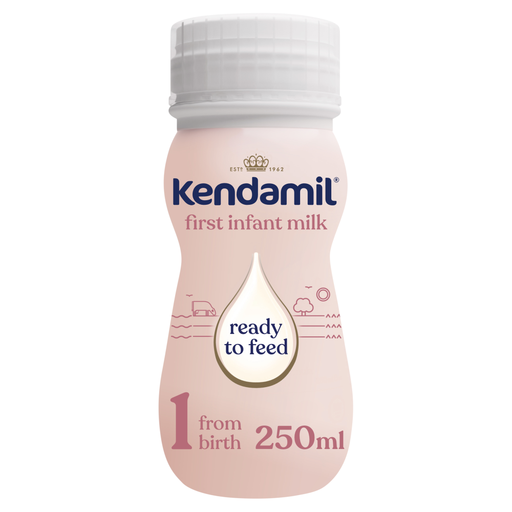
Why This Fits Their Persona: A pre-prepared option for travel, late-night feeds or situations where measuring infant formula powder is inconvenient.
It is clearly a ready-to-feed liquid, so there is no powder-to-water calculation before use.
250 ml bottle; can be served at room temperature or warmed in hot water; contains plant-based DHA.
We have compiled a complete, real-time list of products that fully satisfy these strict selection criteria and UK safety regulations.
The answer depends on pack price, preparation quantity and household usage. Compare the number of prepared litres stated on the label with the price per pack. Powder can be practical for cupboard storage, while fresh milk may be more convenient for frequent daily drinking.
Follow the product label. The supplied product information states that Black & White Evaporated Milk should be refrigerated and used within four days, while Carnation Evaporated Milk should be used within three days. Transfer leftovers to a suitable sealed container if the instructions advise it.
First infant milk is labelled for use from birth when formula is needed. Follow-on milk is intended for babies over six months and should be used as part of a mixed diet. Check the age guidance carefully and speak to a qualified healthcare professional before changing your baby’s formula.