A milkshake is optional before a 5K, particularly if you have already eaten a carbohydrate-based breakfast: the UK Sports Institute says a separate carbohydrate drink is more relevant when you have not eaten. If a drink suits your appetite, choose a portion and timing you have tried during training, and compare the carbohydrate in what you will actually drink. A protein-focused shake answers a different buying need.
Who might consider a milkshake?
A drink can be useful when eating before a run is difficult, but its ingredients and portion still need to suit the person drinking it.
Runners who have missed breakfast
If solid food does not appeal before a run, a carbohydrate-containing drink is one option. The UK Sports Institute advises finding a time to eat or drink that works for you rather than copying another runner’s routine.
Shoppers comparing regular and no-added-sugar drinks
Check carbohydrate and sugars for the portion you intend to drink. A no-added-sugar label does not tell you the drink’s total carbohydrate content or whether it contains sweeteners.
Runners with dairy-related restrictions
Lactose reduction and milk-allergen suitability are different questions. The lactose-reduced Yazoo drink listed by Sainsbury’s still contains milk, so check the ingredients on the current pack.
What should you check before buying?
Decide whether you need a drink before the run at all, then compare the portion, ingredients and nutrition panel for the amount you plan to have.
| Priority | What to check | Your needs |
|---|
| Need for a drink |
Consider what you have already eaten and whether solid food appeals. The UK Sports Institute says a carbohydrate drink can be an option when breakfast has been missed. |
I have eaten before the run, so I may not want an extra drink; if I have missed breakfast, a drink may be easier to manage. |
| Carbohydrate and portion |
Read carbohydrate per 100ml or per serving, then check the bottle size and servings per pack. Sainsbury’s lists two 200ml servings in its 400ml Yazoo chocolate bottle. |
I want to know what is in the amount I will drink, not just in a standard 100ml comparison. |
| Timing and tolerance |
Try the intended portion during training. The UK Sports Institute says many athletes eat one to three hours before running, while individual timing varies. |
A familiar drink and serving matter more to me than trying a new milkshake immediately before a run. |
| Ingredients and sugars |
Compare total carbohydrate, sugars and the ingredients list separately. ASDA’s Mars chocolate milk drink listing says no added sugar but lists sugars, sweeteners, milk and barley. |
If I prefer a no-added-sugar drink, I still want to check its carbohydrate and whether its ingredients suit me. |
| Protein-focused use |
Check carbohydrate independently of any protein claim. A protein figure alone does not establish how a shake fits a carbohydrate-focused pre-run plan. |
I am choosing between a drink before the run and a protein-focused option for another time; those are different purposes. |
| Storage and allergens |
Read the current pack’s milk and other allergen information, plus its instructions after opening. Larger bottles may contain several servings. |
If I will drink only part of a bottle, I need somewhere to store the remainder and enough time to use it as directed. |
Common buying mistakes
-
Assuming every 5K needs an extra drink
The UK Sports Institute distinguishes a short run from marathon-style fuelling and says a separate carbohydrate drink is probably unnecessary after a carbohydrate-based breakfast.
Start with the food and drink routine you tolerate. Consider a milkshake if missing breakfast or avoiding solids leaves you looking for a drinkable option.
-
Comparing only the per-100ml panel
A 200ml serving and a whole 400ml bottle are different amounts, even when the same nutrition figures appear on the label.
Check the serving size and servings per container, then calculate the nutrition for the portion you intend to drink.
-
Confusing no added sugar with allergen suitability
ASDA’s Mars milk drink listing identifies sugars and sweeteners despite its no-added-sugar description. Sainsbury’s lactose-reduced Yazoo listing still identifies milk ingredients.
Read carbohydrate, sugars and ingredients as separate checks. For a milk allergy, do not infer suitability from a lactose-reduced label.
-
Buying a large bottle for one serving
Sainsbury’s 1L chocolate milkshake lists five 200ml servings and instructions for use after opening, so one planned drink may leave several servings.
Match the pack to how much you will drink and follow its storage and use-by instructions.
An unfinished bottle may go to waste if it cannot be used within its stated storage window.
Brand and product-line references
These examples illustrate label differences between milk drinks; a brand’s inclusion does not mean every product in its range has the same nutrition or ingredients.
Yazoo
Sainsbury’s lists both a regular 400ml chocolate milk drink and a lactose-reduced, no-added-sugar 200ml chocolate drink.
- The regular chocolate listing gives 17.7g carbohydrate per 200ml; the lactose-reduced drink gives 10.1g per 200ml pack.
- Both listed drinks contain milk. Check which variant you have before using its nutrition figures.
Müller Frijj
The listed chocolate and strawberry milkshakes come in different bottle sizes and have separate nutrition panels.
- Sainsbury’s lists 11.7g carbohydrate per 100ml for the 330ml chocolate product; Tesco lists 10.9g per 100ml for the 400ml strawberry product.
- Compare the portion you intend to drink, and try a dairy milkshake during training before having it ahead of a run.
Mars
ASDA lists a 400ml chocolate-flavoured milk drink described as having no added sugar.
- Its listing gives 14g carbohydrate per 200ml, making the serving amount clear for comparison.
- The listed ingredients include milk, barley and sweeteners; check the current pack if any of these matter to you.
Sainsbury’s
Its own-label chocolate milkshake is listed in a 1L bottle containing five 200ml servings.
- The listing gives 20.5g carbohydrate per 200ml serving, so planned portions can be compared with smaller bottles.
- The listed instructions require the drink to be kept refrigerated after opening and consumed within five days.
Arla Protein
The listed 482ml chocolate shake is a protein-focused dairy product rather than a carbohydrate-led pre-5K choice.
- Sainsbury’s lists 26g protein per bottle.
- Its protein figure does not answer how much carbohydrate you would have before a run; check that figure separately.
Joybuy milk drinks and protein shakes
These options include a flavoured milk drink and a yoghurt drink to consider alongside protein-focused shakes. Check each pack’s nutrition and ingredients against when, and why, you plan to drink it.
 No image available
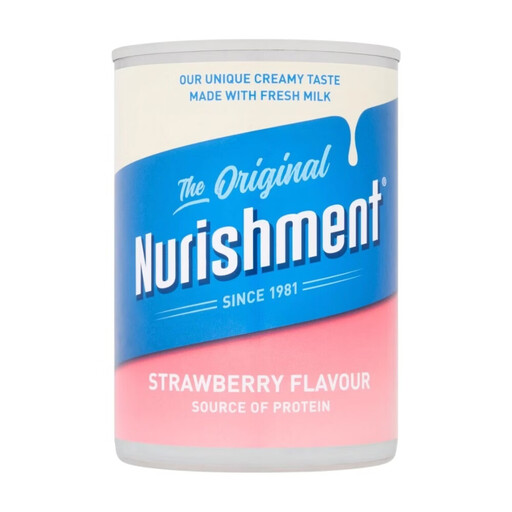
Dunn’s River Nurishment Original Strawberry Milk Drink 400g
A flavoured milk drink to consider if you want a drinkable option before a run. The can is labelled 400g; check how much you plan to have, the nutrition for that amount and whether you tolerate it before exercise. It contains milk.
View on Joybuy
 No image available
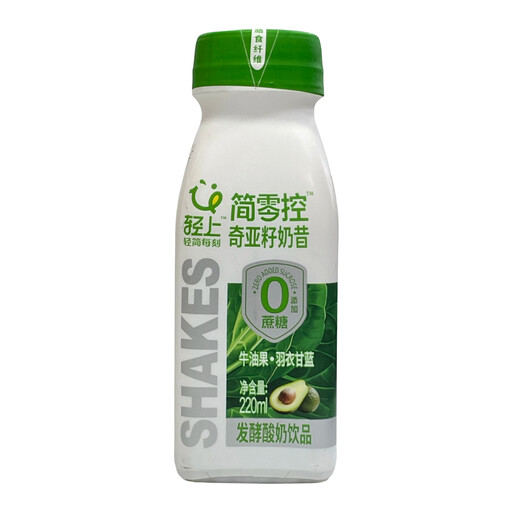
LIGHT UP Zero Control Avocado, Kale & Chia Seed Milkshake Yoghurt Drink 220ml
This 220ml yoghurt drink is an alternative for shoppers comparing ingredients and portion sizes rather than choosing solely by carbohydrate content. Check its nutrition panel for your planned use; it contains milk and the sweetener sucralose.
View on Joybuy
 No image available
Applied Nutrition Protein Nutrition Shake, Strawberries & Cream, 8 × 330ml
This multipack is a protein-focused shake option, not a reason on its own to add a drink before a 5K. Compare carbohydrate separately if pre-run fuel is your aim. It contains milk and sucralose; follow the pack’s instructions after opening and read its use cautions.
View on Joybuy
 No image available
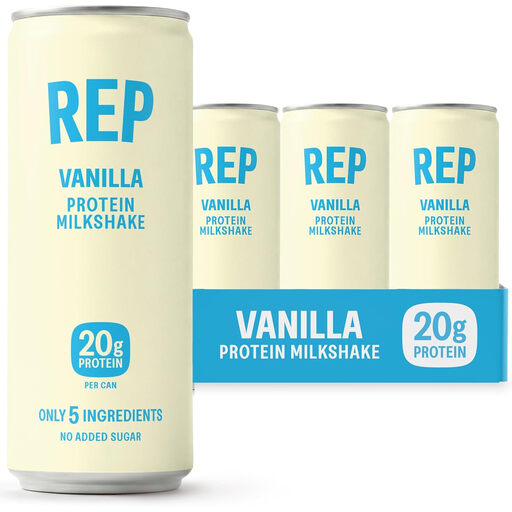
REP Vanilla Protein Shakes, 8 × 250ml
These 250ml cans offer a defined portion for someone choosing a protein-focused drink. Check carbohydrate separately before considering one as pre-run fuel. The shake contains milk; follow the storage instructions after opening and read the pack’s use cautions.
View on Joybuy
Questions about milkshakes and 5K runs
Do I need a milkshake before a 5K?
Not necessarily. The UK Sports Institute says a separate carbohydrate drink is probably unnecessary if you have managed a carbohydrate-based breakfast; a drink can be an option when you have not eaten or do not like eating before a run.
When should I try drinking one before running?
Try the milkshake, portion and timing during training, rather than for the first time before an important run. The UK Sports Institute says many athletes eat one to three hours before running, but timing varies between people.
Is a lactose-reduced milkshake suitable for a milk allergy?
Do not assume so. Sainsbury’s lists milk ingredients in its lactose-reduced Yazoo drink. Check the current pack’s allergen declaration rather than treating lactose reduction as a milk-allergy claim.
What allergen information should I check on a UK prepacked milkshake?
Check the ingredients list for clearly identified allergens. GOV.UK’s guidance says specified allergens in prepacked food or drink must be clearly labelled there; milk and barley are relevant to some of the drinks discussed here.
How long can I keep an opened milkshake?
Follow the instructions on the particular pack. Sainsbury’s listing for Yazoo Chocolate Milk Drink 400ml says to refrigerate it and drink it within three days of opening; its own-label 1L chocolate milkshake listing says to consume it within five days of opening.


