If you have missed a meal and want a small dairy drink before training, compare the amount you will drink with its carbohydrate, protein and fat content. University College London Hospitals NHS Foundation Trust describes a pre-workout snack containing carbohydrate and protein with minimal fat around 60–90 minutes before exercise; a milkshake is not necessary for every session, and a mild-sounding flavour does not establish how it will feel to drink.
Who might consider a milkshake?
People training after a missed meal
A small drink may be convenient when you have not eaten before training. University College London Hospitals NHS Foundation Trust describes carbohydrate, protein and minimal fat in a snack taken around 60–90 minutes beforehand; consider the portion and whether dairy suits you.
Shoppers looking for a lighter-tasting drink
Compare ordinary flavoured milk drinks by portion size and their fat, carbohydrate, sugars and protein labels. A flavour name alone cannot tell you whether a drink will taste mild or feel comfortable before exercise.
People choosing a portable dairy drink
A ready-to-drink bottle avoids preparation, but check the current ingredients and highlighted allergens. A drink containing milk is not suitable for someone with a milk allergy.
What should you check before buying?
Start with whether you need a snack at all: the British Dietetic Association says ordinary eating can meet carbohydrate needs for a general fitness programme. If you do want a drink before training, check its timing, portion and label rather than relying on the word “mild”.
| Priority |
What to check |
Your needs |
| Meal timing |
Consider when you last ate and how soon you will train. University College London Hospitals NHS Foundation Trust describes a carbohydrate-and-protein snack with minimal fat around 60–90 minutes before exercise. |
“I missed a meal and want a small drink before training, rather than another full meal.” |
| Amount to drink |
Check bottle volume or your intended portion. Use the per-100ml nutrition panel to work out what that amount contains. |
“I want to judge the drink I will actually have, not mistake a per-100ml figure for the whole bottle.” |
| Flavour and texture |
Compare sugars and fat on the label, and read the product description for its format. Neither establishes flavour intensity or personal comfort. |
“A milder-tasting drink appeals to me, but I would try an unfamiliar one during ordinary training first.” |
| Ingredients |
Read the current ingredient list and highlighted allergens, particularly for milk. Check the pack again when buying a familiar product. |
“I need to know whether the drink contains an ingredient or allergen I must avoid.” |
Common buying mistakes
-
Assuming “mild” means light before exercise
Flavour wording does not establish a drink’s sweetness, thickness or how comfortable you will find it before training.
Compare the nutrition panel and description, then try an unfamiliar drink before an ordinary session rather than immediately before an important one.
-
Reading per-100ml values as whole-bottle values
Müller lists its FRijj Banana drink in a 330ml bottle, while Yazoo’s Strawberry and Chocolate pages give a recommended 200ml serving. Those are different amounts from the 100ml used for label comparison.
Check how much you plan to drink and calculate the corresponding carbohydrate and sugars from the per-100ml figures.
-
Overlooking milk on the ingredient list
The Yazoo and Müller FRijj drinks discussed here contain milk, so they are not suitable for someone with a milk allergy.
Read the current pack’s ingredients and highlighted allergens before choosing, even if you have bought the product before.
Relevant brand references
These manufacturer examples provide label points for comparison; they do not establish which drink will taste mild or suit an individual workout.
Yazoo
Yazoo’s Strawberry and Chocolate flavoured milk drinks offer two standard dairy-drink labels to compare.
- Yazoo lists 1.1g fat, 8.7g carbohydrate and 3.0g protein per 100ml for Strawberry; Chocolate lists 1.4g fat, 8.8g carbohydrate and 3.3g protein per 100ml.
- Both are sweetened drinks containing milk. Their labels do not establish personal tolerance before exercise.
Müller FRijj
Müller describes its FRijj range as thick and smooth. Its Banana flavour is listed in a 330ml bottle.
- Müller lists 11.0g carbohydrate, including 10.4g sugars, and 3.7g protein per 100ml for FRijj Banana.
- That Banana label lists more sugars per 100ml than Yazoo’s Strawberry and Chocolate examples. This comparison does not establish how sweet either drink will taste to you.
Joybuy drink options
These ready-to-drink milk and yoghurt options offer different bottle sizes to consider for a pre-workout snack. Check the current label and the amount you intend to drink; none is established as a mild-tasting or purpose-formulated sports drink.
 No image available
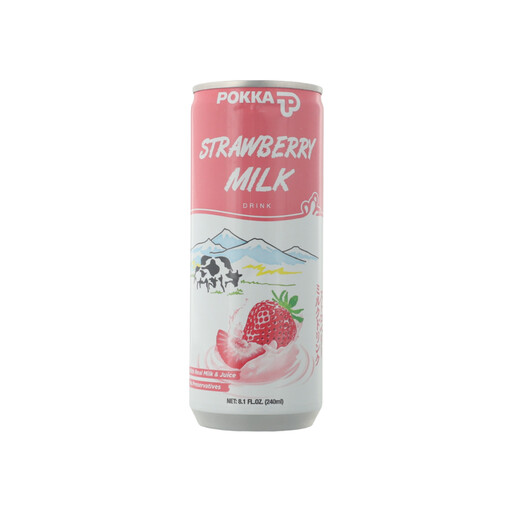
POKKA Strawberry Milk 240ml
This 240ml strawberry milk is a ready-to-drink option if you want a smaller bottle before training. Check its current nutrition and milk-allergen information, and try an unfamiliar drink during routine training.
View on Joybuy
 No image available
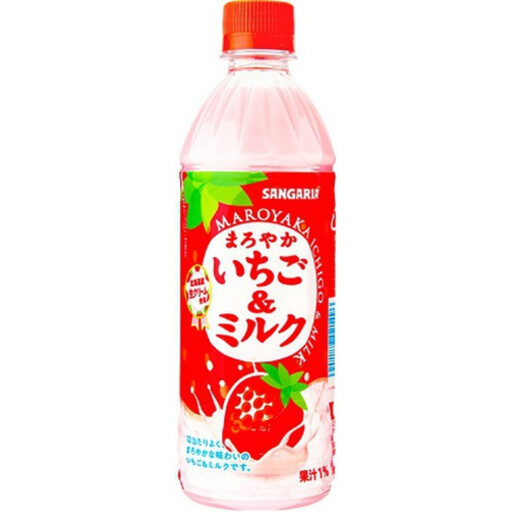
Sangaria Strawberry & Milk Drink 500ml
This ready-to-drink strawberry and milk option comes in a 500ml bottle; decide how much you intend to have before using the per-100ml panel to compare it with a smaller drink. Check the current pack for milk and any other relevant allergens.
View on Joybuy
 No image available
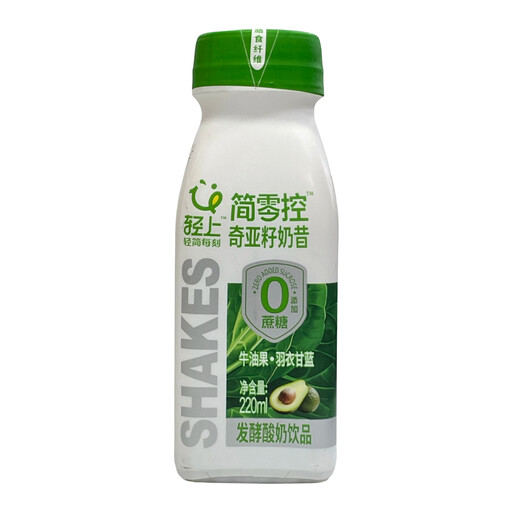
LIGHT UP Zero Control Avocado Kale Chia Seed Milkshake Yoghurt Drink 220ml
This 220ml yoghurt drink offers a different format from standard flavoured milk. Check the current ingredients against any “no added sugar” claim, and read the milk-allergen information before choosing it.
View on Joybuy
Questions about pre-workout milkshakes
Can I have a milkshake before a workout?
A small dairy drink is one possible snack if you can tolerate its ingredients and want something after missing a meal. University College London Hospitals NHS Foundation Trust describes a snack with carbohydrate, protein and minimal fat around 60–90 minutes before training; that does not make a milkshake necessary for every workout.
Do I need one before an ordinary gym session?
Not necessarily. The British Dietetic Association says a normal eating pattern can meet carbohydrate needs for a general fitness programme, so consider when you last ate and what the session involves before adding a separate drink.
Can a nutrition label tell me which milkshake is mildest?
No. A label lets you compare the fat, carbohydrate, sugars and protein in the amount you plan to drink, but it cannot establish flavour intensity or personal comfort. Try an unfamiliar option during ordinary training.
Can someone with a milk allergy choose these dairy drinks?
Not if the drink contains milk. The Yazoo and Müller FRijj examples discussed here contain milk; check the current pack’s highlighted allergens and ingredients for any product you are considering.


