If fizz matters more than milkshake texture, a sugar-free sparkling soft drink meets that preference without being a milkshake. For a milkshake-style drink, compare the total carbohydrate in the amount you intend to drink: ‘no added sugar’ does not mean carbohydrate-free. A standard sweetened milkshake is another option to account for within your own diabetes plan, rather than an automatic substitute for either choice.
Who is this choice for?
People accounting for a milk drink in their diabetes plan
A milkshake-style drink may fit the occasion, but its total carbohydrate and the amount consumed matter more than a ‘no added sugar’ claim alone. Diabetes UK emphasises total carbohydrate when discussing carbohydrate counting.
Shoppers who mainly want fizz
A sugar-free sparkling soft drink offers carbonation, while a ready-to-drink milkshake offers a different flavour and texture. Check the product type rather than assuming that something described as a ‘fizzy milkshake’ is a milk drink.
Milk-drink buyers checking allergens
The Yazoo and Müller FRijj examples contain milk; the Mars no-added-sugar milk drink lists milk and barley. If those ingredients matter to you, read the allergen statement on the pack you buy.
What should you check before choosing?
Decide whether you want milkshake texture or carbonation, then check the label for the amount you will actually drink.
No-added-sugar milk drink
Consider it: When you want a milkshake-style dairy drink and can account for its stated carbohydrate.
Bear in mind: No added sugar does not mean no carbohydrate, and this route does not provide fizz.
Standard sweetened milkshake
Consider it: When you want a conventional milkshake and have allowed for the portion within your own plan.
Bear in mind: The Müller FRijj Chocolate example has more declared carbohydrate per 100ml than the Yazoo and Mars no-added-sugar examples, according to their retailer listings.
Sugar-free sparkling soft drink
Consider it: When carbonation, rather than milkshake flavour and texture, is what you want.
Bear in mind: It is a soft drink, not a milkshake; check its own label rather than assuming all sugar-free drinks have identical ingredients or carbohydrate values.
| Priority |
What to check |
Your needs |
| Carbohydrate |
Read total carbohydrate per 100ml, then check the volume you intend to drink. ASDA Groceries lists 5.0g per 100ml for Yazoo No Added Sugar Chocolate; Tesco Groceries lists 7.1g for Mars No Added Sugar; Sainsbury's lists 11.7g for Müller FRijj Chocolate. |
I count carbohydrate or otherwise account for drinks in my plan, so the amount in my actual portion matters more than the front-of-pack claim. |
| Portion size |
Check whether the label describes a whole carton, one serving or several servings. The Mars listing describes a 400ml bottle as two 200ml servings, each with 14g carbohydrate. |
If I drink the whole bottle, I need to account for both stated servings, not just the figure for one. |
| Drink type |
Confirm whether the product is a milk drink, milkshake or sparkling soft drink. Diabetes UK names sugar-free and diet soft drinks as alternatives to sugary drinks; they do not have milkshake texture. |
Am I looking for a creamy drink, or is it the fizz I want? The answer changes which category to shop for. |
| Ingredients |
Read the current pack for milk, barley, sweeteners and other ingredients relevant to you. The Mars milk-drink listing names milk and barley; the Yazoo and Müller FRijj examples contain milk. |
When an ingredient affects what I can choose, I want to check this particular drink rather than rely on a previous purchase. |
Common buying mistakes
-
Reading ‘no added sugar’ as ‘no carbohydrate’
Milk drinks can still declare carbohydrate and naturally occurring sugars. ASDA Groceries lists 5.0g carbohydrate per 100ml for Yazoo No Added Sugar Chocolate, while Tesco Groceries lists 7.1g for Mars No Added Sugar.
Use the total carbohydrate figure and the volume you plan to drink when accounting for the portion.
-
Treating a multi-serve bottle as one serving
Tesco Groceries describes the 400ml Mars bottle as two 200ml servings. Its stated 14g carbohydrate per serving applies to half the bottle.
Check the serving size and servings per pack before using a per-serving figure.
-
Assuming a ‘fizzy milkshake’ listing is a drink
That phrase can also describe sweets or non-food products; it does not establish that an item is a carbonated milk drink.
Check the product name and ingredients. Search for a milk drink if you want milkshake texture, or a sparkling soft drink if you want carbonation.
-
Relying on a remembered allergen list
The milk-drink examples contain milk, and the Mars example also lists barley. Ingredients can differ between products and change over time.
Read the allergen statement on the current pack, particularly when an ingredient affects your choice.
Relevant milk-drink brands
These references describe specific chocolate drinks, not everything sold under each brand.
Yazoo
The No Added Sugar Chocolate Milk Drink is a milk drink sold in 200ml cartons, not a sparkling drink.
- ASDA Groceries lists 5.0g carbohydrate and 4.7g sugars per 100ml for this example.
- It contains milk and still contributes carbohydrate: 10.0g in a 200ml carton at the stated per-100ml value.
Mars
The No Added Sugar Chocolate Flavoured Milk Drink comes in a 400ml bottle with two stated 200ml servings.
- Tesco Groceries lists 7.1g carbohydrate per 100ml and 14g per stated serving.
- The listing names milk and barley; drinking the whole bottle means accounting for two servings.
Müller FRijj
The Chocolate Flavour Milkshake is a conventional sweetened milkshake rather than a no-added-sugar milk drink.
- It offers a milkshake-style option for someone choosing that type of drink and accounting for the portion.
- Sainsbury's lists 11.7g carbohydrate and 11.1g sugars per 100ml for this example; it contains milk ingredients.
Joybuy drink options
These options include sparkling soft drinks for a fizz-first choice and one milkshake-style yoghurt drink. The soft drinks are not sparkling milkshakes; check each product's current pack when carbohydrate or ingredients affect your decision.
 No image available
Coca-Cola Zero Sugar 24 × 330ml
A cola option when you want fizz rather than milkshake texture. The pack contains 24 × 330ml cans; check the current label if caffeine or a source of phenylalanine matters to you.
View on Joybuy
 No image available
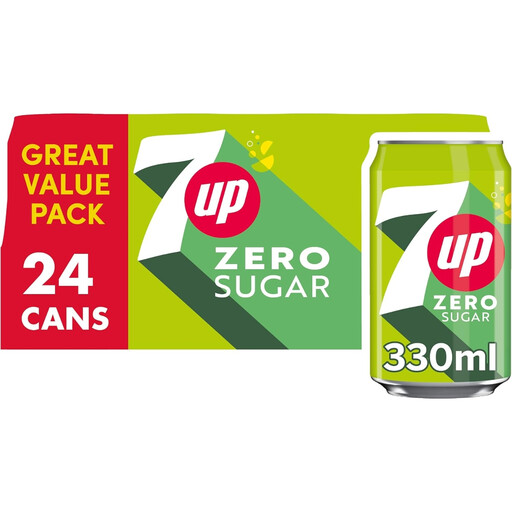
7UP Zero 24 × 330ml
A lemon-and-lime sparkling soft drink for a fizz-first choice, rather than a milkshake-style drink. The pack contains 24 × 330ml cans; check the current pack for ingredients relevant to you, including a source of phenylalanine.
View on Joybuy
 No image available
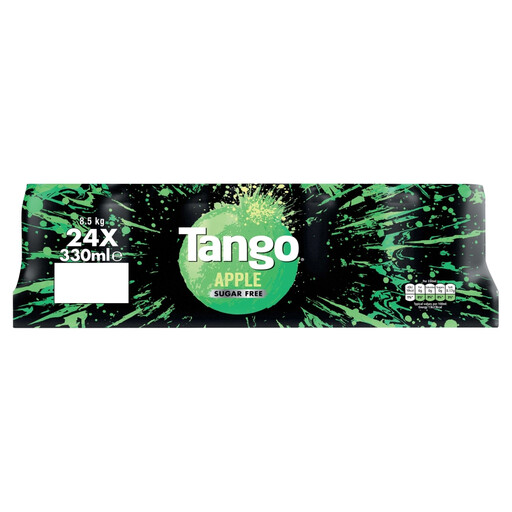
Tango Apple Sugar-Free 24 × 330ml
An apple-flavoured sparkling soft drink, not a milkshake. Its sugar-free name should not replace a check of total carbohydrate for the amount you drink; the pack contains 24 × 330ml cans.
View on Joybuy
 No image available
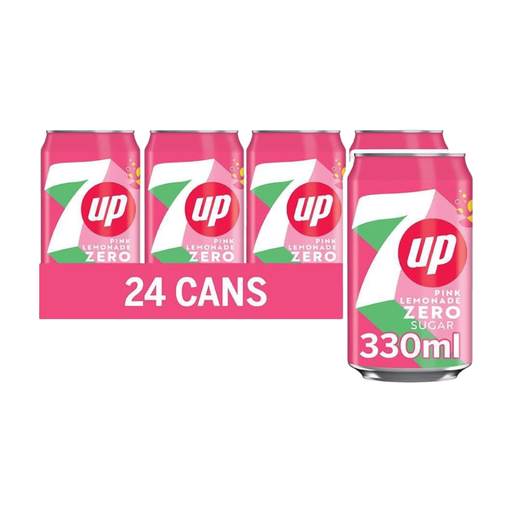
7 Up Lemonade Zero 24 × 330ml
A sparkling lemonade option when carbonation is the priority, rather than milkshake texture. The pack contains 24 × 330ml cans; check the current label for portion-level carbohydrate and a source of phenylalanine if relevant.
View on Joybuy
 No image available
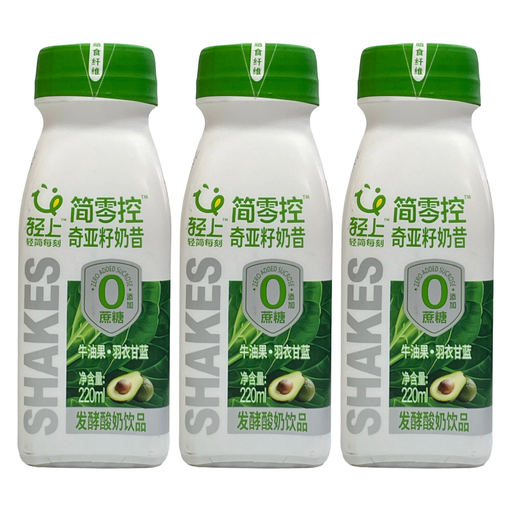
LIGHT UP Zero Control Avocado Kale Chia Seed Milkshake Yogurt Drink, 3 × 220ml
A milkshake-style yoghurt drink for someone seeking that type of drink rather than fizz. The no-added-sugar wording conflicts with an ingredient list naming sugar, so check the current pack's ingredients and total carbohydrate before relying on that claim.
View on Joybuy
Questions about milkshakes and fizz
Does ‘no added sugar’ mean a milk drink has no carbohydrate?
No. ASDA Groceries lists 5.0g carbohydrate per 100ml for Yazoo No Added Sugar Chocolate Milk Drink, and Tesco Groceries lists 7.1g per 100ml for Mars No Added Sugar. Diabetes UK advises considering total carbohydrate; check that figure alongside the amount you intend to drink.
What if I want fizz rather than a creamy milkshake?
Look at sparkling soft drinks rather than assuming a milkshake will be carbonated. Diabetes UK lists sugar-free and diet soft drinks as alternatives to sugary drinks, but check the particular drink's ingredients and carbohydrate declaration for your own needs.
How should I assess a standard sweetened milkshake?
Check its total carbohydrate and your intended portion within your own diabetes plan, rather than treating it as an everyday thirst-quencher. Diabetes UK advises against using sugary drinks to quench thirst; Sainsbury's lists 11.7g carbohydrate per 100ml for the Müller FRijj Chocolate example.
Should I check a familiar drink's label again?
Yes. Check the pack you are buying for its current carbohydrate, serving size, ingredients and allergens. This is especially important if milk, barley or a particular sweetener affects your choice.


