Parents comparing drinks for a baking day
If children will have a milkshake alongside cakes or icing, the amount served matters as well as the wording on the front of the pack. Compare the ‘of which sugars’ value for the portion you intend to pour.


Choose a ready-to-drink milkshake if it is a drink to serve alongside baking; choose a powder or syrup if you want to measure the flavouring added to a drink. A conventional sweetened milkshake is a different choice from a no-added-sugar option. In either case, check the serving size, sugars, sweeteners and allergens on the current pack, and do not treat a drink mix as a direct replacement for sugar in a cake recipe.
If children will have a milkshake alongside cakes or icing, the amount served matters as well as the wording on the front of the pack. Compare the ‘of which sugars’ value for the portion you intend to pour.
A no-added-sugar claim does not tell you whether a drink contains sweeteners. Yazoo says its Kids 200 ml cartons contain no artificial sweeteners; check that the current pack is from that range rather than assuming the claim applies to every Yazoo drink.
A powder or syrup lets an adult measure what goes into a drink or a recipe activity. Check its preparation instructions and ingredients, along with the milk or alternative used to make the finished serving.
Decide whether you need a drink or a measured mix-in. Then compare the prepared serving and ingredients, rather than treating all no-added-sugar products as interchangeable.
| Priority | What to check | Your needs |
|---|---|---|
| Sugars per serving | Read ‘of which sugars’ and the stated serving size. ‘No added sugar’ does not mean a milk-based drink contains no sugars. | I want to know what is in the amount I will actually pour, especially when the children are also having sweet baking ingredients. |
| Sweeteners | Check the ingredients panel, not just the no-added-sugar claim. Yazoo’s no-artificial-sweeteners statement applies specifically to its Kids range. | If our household avoids artificial sweeteners, I need to confirm that the particular carton or mix meets that preference. |
| Milk and other allergens | Check the exact product’s ingredients and allergen statement, including any powder or syrup. Check the liquid used to prepare a mix as well. | A child’s milk allergy or intolerance changes which ingredients I can use; choosing a different base liquid does not remove ingredients already in a powder. |
| Drink or mix-in | Follow the product’s preparation directions and measure the amount used. Tesco Groceries instructs shoppers to mix approximately 200 ml milk with 13 g of its strawberry powder. | For a drink alongside baking, I may prefer something ready to pour. For an activity involving flavouring, I want to measure each addition myself. |
| Recipe use | Check whether the recipe calls for a milkshake flavouring or for sugar. Use a recipe developed for any change to its ingredients rather than assuming a direct swap will work. | I want to add flavour without accidentally changing the cake recipe by replacing its specified sugar with a drink or syrup. |
A milk-based drink can contain naturally occurring sugars even when it is labelled no added sugar. The claim and the nutrition figure answer different questions.
Compare ‘of which sugars’ for the serving you plan to give, rather than comparing front-of-pack claims alone.
Yazoo’s Kids range makes a no-artificial-sweeteners claim, but that does not establish the ingredients of another milkshake, powder or syrup.
If avoiding sweeteners matters to your household, check the ingredients on the exact product before buying it.
A syrup and the drink made from it are not necessarily the same dietary choice: the milk or alternative added to it also matters. Powders may have ingredients of their own that a different base liquid cannot remove.
Check both the mix and the liquid you will use, particularly when choosing for someone with an allergy or intolerance.
Preparation directions for a shake do not establish that its powder or syrup will work in place of the sugar specified for a cake or biscuit.
Use a recipe developed for the intended change, or keep the milkshake product as a measured flavour addition where the recipe allows it.
These examples illustrate different label and preparation choices; check the particular product rather than applying one range’s claims to an entire brand.
A ready-to-drink option for shoppers seeking both no added sugar and no artificial sweeteners.
A conventional ready-to-drink milkshake rather than a no-added-sugar choice.
A ready-to-drink chocolate option for shoppers comparing no-added-sugar labels.
An own-label powder for preparing a measured strawberry-flavoured milkshake.
A syrup format for measuring flavouring into a chosen drink base.
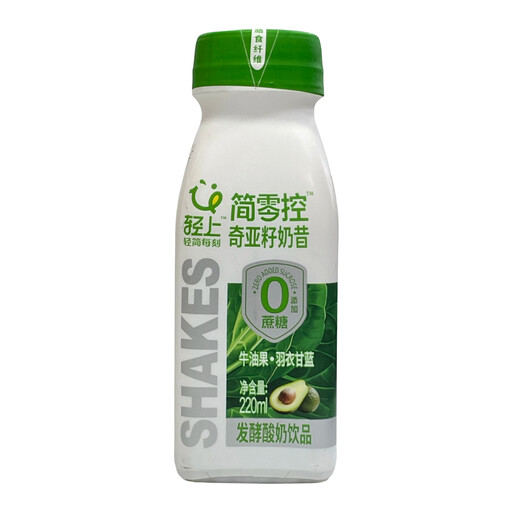
This ready-to-drink yoghurt milkshake is an option to consider as a drink alongside the baking activity. Assess its current label separately from the powder and syrup formats discussed above.
 No image available
The 220ml drink format is relevant if you want a milkshake alongside baking rather than a measured recipe mix-in. Check the current ingredients and allergen information for milk and sucralose, and compare the sugars figure for the amount served. Do not rely on a no-added-sugar claim without checking the current pack.
No. A milkshake can contain naturally occurring sugars without having sugar added. Tesco Groceries’ Mars Chocolate Flavoured Milk Drink listing makes both points; check ‘of which sugars’ for the portion you will serve.
Choose a product whose current ingredients and pack claims meet that preference. Yazoo says its Kids 200 ml cartons have no artificial sweeteners, but the claim applies to that range, not automatically to other Yazoo drinks or no-added-sugar mixes.
Do not use a product containing milk for a child with a milk allergy. The Food Standards Agency identifies milk as an allergen; check the exact product’s allergen statement and every ingredient used to prepare the finished drink.
Do not assume it can be swapped directly for the sugar in a cake recipe. Drink-preparation instructions establish how to make a shake, not how the product will work in a bake. Use a recipe developed for the intended ingredient change, or add measured flavouring only where the recipe calls for it.