Shoppers limiting added sugar
If you want a flavoured milk drink, compare total sugars per portion and check the ingredients for added sugar. A no-added-sugar label does not mean sugar-free.


A milkshake can be a drink alongside lunch, but its protein content does not make it a complete meal. Compare sugars per 100ml and per portion, bottle size and ingredients: a no-added-sugar drink can still contain milk sugars or sweeteners, while a conventional sweetened milkshake may be less suitable when limiting free sugars is your priority.
If you want a flavoured milk drink, compare total sugars per portion and check the ingredients for added sugar. A no-added-sugar label does not mean sugar-free.
A single bottle or can gives you a defined portion; a larger pack lets you pour one. Check the serving size and storage instructions, and consider the drink alongside the rest of your lunch.
Check the current pack if milk, barley or sweeteners matter to you. The milk drinks discussed here contain milk, and the Mars example also lists barley and sweeteners.
Start with the portion you would actually drink, then compare its label with other drinks of a similar size and consider what else is in your lunch.
| Priority | What to check | Your needs |
|---|---|---|
| Sugars | Compare total sugars per 100ml and per portion. Check the ingredients for added sugar and sweeteners; the NHS distinguishes sugars naturally present in milk from free sugars. | I want a flavoured drink without assuming that “no added sugar” means it contains no sugar. |
| Lunch balance | Read the calories, saturated fat and protein information alongside the sugars figure. The Eatwell Guide considers the balance of food groups across a day or week, not a drink’s protein figure alone. | If I have a milkshake at lunch, I still want food from other groups rather than treating the drink as the meal. |
| Portion size | Check whether the nutrition panel describes 100ml, one serving or the whole bottle. GOV.UK recommends traffic-light labels for comparing products; read their stated serving sizes too. | A smaller ready-to-drink portion may be convenient, while I would need to pour a portion from a larger bottle. |
| Protein claims | Compare protein on the same per-100ml basis, then check sugars and the amount you plan to drink. A protein declaration does not describe the whole lunch. | Protein matters to my comparison, but I do not want it to obscure the drink’s sugar content or portion size. |
| Ingredients | Read the current pack for allergens and sweeteners. For example, Tesco’s Mars milk-drink listing names milk, barley, acesulfame K and sucralose. | Before drinking, I need to know whether the actual pack contains an ingredient I avoid. |
A milk drink does not automatically provide the range of foods described in the Eatwell Guide.
Have it alongside other lunch foods rather than relying on the drink alone.
Naturally occurring milk sugars still appear in the total-sugars figure, as the NHS explains.
Compare sugars per 100ml and per portion, and check the ingredients for sweeteners.
A larger bottle can contain several portions. Tesco lists 16.0g sugars for a glass serving of its Chocolate Flavoured Milk, with a high sugar traffic-light result.
Check the stated serving size and measure the amount you intend to pour.
Ingredients can change, which matters particularly when you need to avoid an allergen or check for sweeteners.
Read the current physical pack before drinking.
These examples show why the flavour, range and exact pack matter more than the brand name alone.
Yazoo sells conventional flavoured milk and a no-added-sugar Kids range.
Its Chocolate Milkshake is a 330ml, long-life milkshake option.
The Chocolate Flavoured Milk Drink No Added Sugar comes in a 400ml bottle.
Tesco Chocolate Flavoured Milk is a 1 litre own-brand option for pouring separate servings.
These options include ready-to-drink milkshake-style bottles and cans, plus an avocado-and-kale yoghurt drink. Compare them as drinks alongside lunch, not replacements for it.
 Image unavailable
A ready-to-drink bottle to consider alongside lunch. The Joybuy listing states 11.6g sugars, 20g protein and 5g fibre per 330ml bottle; it lists milk and sucralose. Check the current pack if either ingredient matters to you.
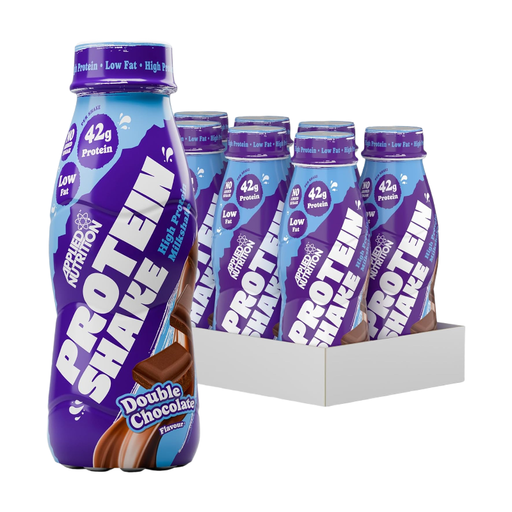 Image unavailable
This ready-to-drink option has a larger stated serving: one 500ml bottle. The Joybuy listing gives 17g sugars and 42g protein per bottle and lists milk and sucralose. Consider the full bottle size when comparing it with smaller drinks.
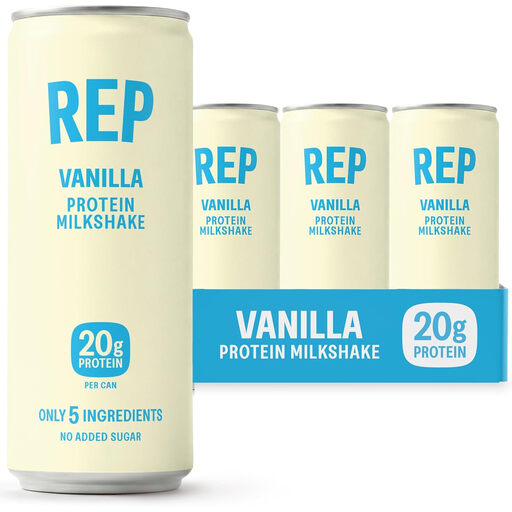 Image unavailable
The 250ml ready-to-drink can offers a defined portion alongside lunch. Its Joybuy listing gives 10.8g sugars and 20.3g protein per can and says it contains no artificial sweeteners. It contains milk; check the current pack if that matters to you.
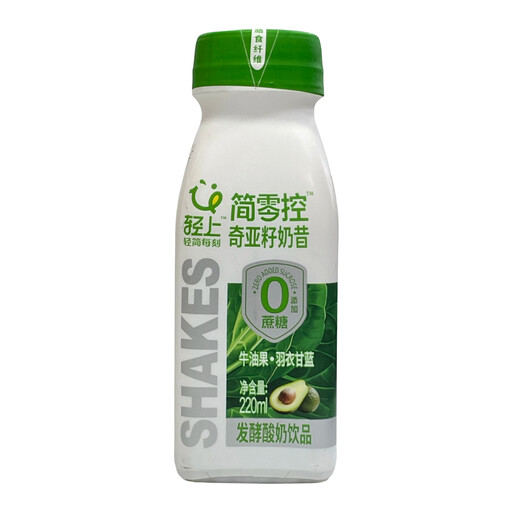 Image unavailable
This 220ml ready-to-drink yoghurt beverage is also described as a smoothie, so check that its format matches what you want from a milkshake. The Joybuy listing gives 0.2g sugars per 100ml but lists sugar among the ingredients despite a no-added-sugar claim; check the current pack before relying on that claim. It also lists milk and sucralose.
Do not assume a milkshake provides a complete lunch. The Eatwell Guide describes a balance across food groups over a day or week; a milkshake can be a drink alongside other lunch foods rather than the meal on its own.
No. The NHS explains that sugars naturally present in milk are not free sugars, but they still appear in total sugars on the label. Yazoo lists 4.6g sugars per 100ml for its no-added-sugar Kids Strawberry drink, while Tesco lists 6.5g per 100ml for Mars Chocolate Flavoured Milk Drink No Added Sugar.
Start with serving size and sugars per 100ml and per portion, then compare calories, saturated fat and other figures that matter to you. GOV.UK says traffic-light labels help shoppers compare calorie, fat, sugar and salt content; check what serving the label describes.
Yes. Ingredients, nutrition information and allergens can change, so read the current physical pack, particularly if milk, barley or sweeteners matter to you.