At-home snack planners
A syrup lets you choose the milk or milk alternative and make the amount you intend to drink. Compare nutrition for the prepared shake, not the concentrate on its own.


Choose milkshake syrup if you want to decide how much to make and which milk to use; choose a ready-to-drink bottle when preparation matters less than convenience. If a thicker texture is your priority, compare the actual serving and its total sugars rather than assuming a front-of-pack claim answers that question. The NHS distinguishes naturally occurring milk sugars from free sugars, but both appear in a drink’s total-sugars figure.
A syrup lets you choose the milk or milk alternative and make the amount you intend to drink. Compare nutrition for the prepared shake, not the concentrate on its own.
A ready-to-drink bottle avoids mixing. If you prefer a no-added-sugar option, still check its total sugars, sweeteners, allergens and number of stated servings.
A conventional flavoured milk or thicker milkshake may suit the taste you want. Check the sugars and serving size of the particular product rather than treating texture as a guide to its nutrition.
Start with the drink you would actually prepare or consume, then compare its label with products in the same format.
| Priority | What to check | Your needs |
|---|---|---|
| Total sugars | Compare total sugars per 100ml and for the amount you plan to drink. Read the ingredients alongside any no-added-sugar claim; naturally occurring milk sugars still appear in total sugars. | I want to know the sugars in my afternoon portion, not just whether sugar was added. The NHS distinguishes naturally occurring milk sugars from free sugars. |
| Portion size | Check the pack volume, stated serving and number of portions. Tesco’s listing describes the Mars 400ml drink as two portions; Sainsbury’s lists five 200ml servings in its 1-litre milkshake. | A whole bottle may be more than I intend to drink at once. If I am sharing or saving some, I need to check the opened-pack instructions too. |
| Preparation | Check whether the drink is ready to consume or needs mixing, and which liquid the preparation instructions allow. Compare a syrup’s nutrition for the prepared drink using your chosen base. | For a drink at home, I would rather choose the milk and make my own portion. When I am out, a ready-to-drink pack is simpler. |
| Flavour and texture | Check the stated flavour and format, then compare the nutrition panels of the products you would actually enjoy drinking. Müller describes its Frijj Chocolate drink as thick and smooth. | If a thicker chocolate drink is what I want, I can choose on that basis without assuming it has the same sugars or serving size as another milkshake. |
| Ingredients | Read the current ingredient and allergen information for the exact variant, including milk, barley and any sweeteners. For a homemade shake, check both the mix and the liquid added. | I need to identify ingredients that matter to me before choosing between a ready-made drink and one I mix myself. |
| Other nutrients | Compare declared protein or calcium on the same per-100ml or per-serving basis, alongside sugars and portion size. Do not use one nutrient figure as a substitute for the full label. | Protein or calcium may be useful comparison details, but I still want to know what is in the portion I will drink. |
Milk sugars contribute to the total-sugars figure. Tesco’s Mars drink listing states that the no-added-sugar product contains naturally occurring sugars.
Compare total sugars for your intended portion, then check the ingredients and any sweeteners.
A multi-serving bottle and a single afternoon portion are not necessarily the same amount. Sainsbury’s lists five 200ml servings in its 1-litre milkshake.
Decide how much you expect to drink before comparing the figures on different packs.
Milkshake labels can declare these nutrients while also differing in total sugars, ingredients and serving size.
Read the full nutrition panel for the portion you intend to have, rather than selecting by a single nutrient claim.
The Mars drink lists milk and barley, while a syrup-based shake also depends on the liquid used. Opened-pack storage instructions vary between products.
Check the current label of the exact variant for allergens, sweeteners and directions after opening.
These examples illustrate different milkshake formats; the details apply to the named products, not every drink from each brand.
Yazoo Chocolate is a ready-to-drink flavoured milk with a recommended 200ml serving.
Müller describes Frijj Favourites Chocolate as a thick, smooth, ready-to-drink milkshake.
The Mars No Added Sugar Chocolate Flavoured Milk Drink is a ready-to-drink 400ml product.
Sainsbury’s Chocolate Milkshake is a chilled 1-litre format for sharing or planned portions at home.
Crusha Chocolate Flavour Milkshake Mix is a syrup for making a drink with milk or a permitted milk alternative.
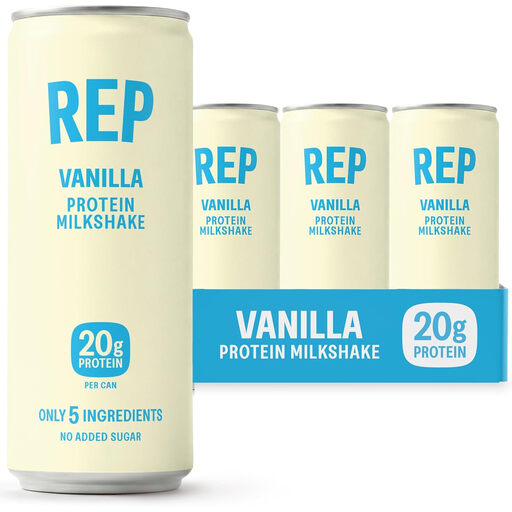
These packaged milk-based drinks offer ready-to-drink options for an afternoon snack, including protein-shake-style products. Check their portions and labels separately from the syrup and conventional milkshakes discussed above.
 No image available
The individual-can format is worth considering if you want a defined amount for an afternoon drink. Check total sugars and milk ingredients on the current label.
 No image available
For a strawberry-flavoured afternoon drink, compare the nutrition for one bottle with the amount you intend to have. Check the current ingredient and allergen information.
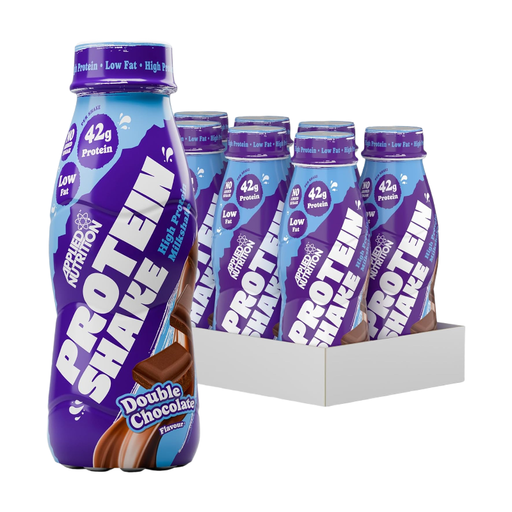 No image available
The 500ml bottle is a larger stated drink format than the 250ml and 330ml options here. Check its full-bottle nutrition if that is the amount you would drink.
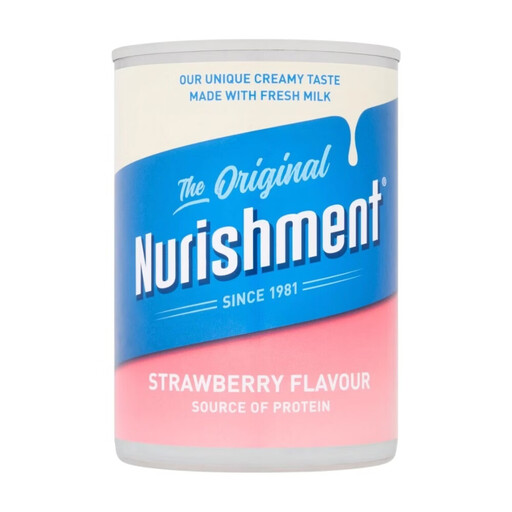 No image available
This canned milk drink is a different format from the bottled shakes. Use its own labelled portion and per-100g figures when comparing it, rather than treating grams and millilitres as interchangeable.
No. A no-added-sugar drink can still contain naturally occurring milk sugars, which appear in the total-sugars figure. Tesco’s Mars drink listing explicitly says it contains naturally occurring sugars; check the nutrition panel for the amount you will drink.
Use the per-100ml figures to compare drinks on the same volume basis, then check the stated portion and the amount you expect to drink. Tesco lists two portions in the Mars 400ml bottle, while Sainsbury’s lists five 200ml servings in its 1-litre milkshake.
Read the current ingredient and allergen information for the exact product before choosing it. The Mars drink lists milk and barley; with a syrup-based shake, check both the mix and the liquid you plan to add.
Follow the instructions on that product’s pack rather than assuming every drink keeps for the same period. Check whether it needs refrigerating, how soon it must be consumed and whether its use-by date comes first.