If you can drink ordinary liquids, choose a milkshake to have alongside an easy-to-chew meal by a flavour you find comfortable, then check the current ingredients, allergens and nutrition label; “mild” describes personal taste, not a swallowing-safety standard. If you have a prescribed fluid consistency, follow your clinician’s plan rather than relying on a drink’s smooth or thick description. If poor appetite or weight loss is driving the choice, ask a dietitian whether a fortified drink or oral nutritional supplement would be more appropriate than an ordinary milkshake.
Who is this choice for?
The reason for choosing a shake matters as much as its flavour: a drink alongside a softer meal serves a different purpose from a drink selected for ongoing poor intake.
People who tire of chewing but can drink ordinary liquids
A ready-to-drink milkshake may be convenient alongside a soft, tender meal if you have not been advised to alter the consistency of drinks. Frimley Health NHS Foundation Trust describes Level 7 Easy to Chew as a food texture for people able to break down soft, tender foods by chewing; it does not set the consistency of a drink.
Shoppers choosing by flavour or sugar information
If “mild” means a familiar, less intense taste to you, compare named flavours and ingredients rather than expecting the word to identify a standard texture. Check sugars per 100 ml, the serving size, sweeteners and allergens on the individual pack, particularly when comparing a no-added-sugar drink with another shake.
People finding full meals difficult to manage
Frimley Health NHS Foundation Trust includes milky drinks among its poor-appetite suggestions but cautions that drinking at or just before meals can reduce food intake. For persistent poor intake or recent weight loss, seek dietetic advice rather than treating an ordinary flavoured milkshake as interchangeable with an oral nutritional supplement.
What should you check?
Start with any instructions about drink consistency. If ordinary liquids are suitable, compare flavour and labels, then consider how the drink fits around meals.
| Priority | What to check | Your needs |
|---|
| Drink consistency |
Check any prescribed fluid level separately from the food texture. The International Dysphagia Diet Standardisation Initiative (IDDSI) classifies drinks at Levels 0–4 and says testing should reflect the intended serving conditions. |
“I need a drink that fits my swallowing plan, not one that merely looks smooth.” If a fluid consistency has been prescribed, follow the clinician’s instructions for selecting or testing it. |
| Flavour and sugars |
Compare the named flavour, ingredients, sugars per 100 ml and per serving, and any sweeteners. A no-added-sugar claim does not mean zero sugars: Tesco and Asda list 6.5 g sugars per 100 ml for the Mars no-added-sugar drink. |
“A flavour I find comfortable matters more to me than a general promise of mildness.” If avoiding added sugar is the aim, I would still check the full nutrition and ingredient labels. |
| Allergens |
Read the current pack’s ingredient and allergen declarations. UK government allergen guidance identifies milk as an allergen for which food businesses must provide information; the Mars drink listed by Asda also declares barley. |
“I need to know whether the particular bottle contains an ingredient I must avoid.” A familiar brand name cannot replace checking that variant’s label. |
| Role alongside meals |
Compare energy and protein using the stated serving sizes, and consider when the drink will be served. Frimley Health NHS Foundation Trust cautions that drinks at or just before meals may reduce food intake for someone with a poor appetite. |
“If I fill up easily, I want the drink to complement food rather than crowd it out.” Ongoing poor intake or weight loss calls for advice on whether a fortified drink or oral nutritional supplement is appropriate. |
Common mistakes to avoid
-
Taking “thick” or “smooth” as a swallowing classification
IDDSI assesses drinks separately from easy-to-chew foods. A texture description on a milkshake does not establish its IDDSI drink level.
If you have swallowing difficulties or a prescribed fluid consistency, follow your clinician’s plan and its instructions for selecting or testing drinks under the intended serving conditions.
-
Treating an ordinary milkshake as a nutritional supplement
Royal Free London NHS Foundation Trust describes oral nutritional supplements as products intended to add nutrients when usual meals and drinks do not meet nutritional requirements. An ordinary flavoured milkshake is not automatically a substitute.
For persistent poor intake or recent weight loss, ask a dietitian about the type of drink and when to take it.
-
Reading “no added sugar” as “sugar-free”
The Mars no-added-sugar drink listed by Tesco and Asda contains naturally occurring sugars; the listings give 6.5 g sugars per 100 ml and declare milk and barley.
Compare the nutrition panel per 100 ml and per serving, then read the ingredients and allergen declarations.
-
Using an online listing instead of the current bottle label
The pack you serve is the place to check that variant’s current ingredients, allergens and storage instructions.
Read it before serving, particularly when an allergy, dietary requirement or swallowing plan affects the choice.
Brand and retailer references
These examples help distinguish flavours and label details; a brand range or retailer listing does not establish whether a particular drink meets a prescribed fluid consistency.
Yazoo
Yazoo lists ready-to-drink flavoured milk, including banana.
- Yazoo lists 8.7 g sugars and 3 g protein per 100 ml for its Banana drink.
- Banana flavour is a matter of preference; the product information does not establish an IDDSI drink level.
Müller FRijj
Müller offers flavoured dairy milkshakes, including a 330 ml Chocolate variant.
- Müller lists 3.7 g protein and 11.4 g sugars per 100 ml for its Chocolate variant.
- The brand’s “thick and smooth” description is not an IDDSI drink classification. Check the current pack when comparing labels.
Mars
The Mars Chocolate Flavoured Milk Drink listed by Tesco and Asda is a 400 ml no-added-sugar option.
- The retailer listings give 6.5 g sugars per 100 ml despite the no-added-sugar claim.
- Its declared milk and barley, sweeteners, and chocolate, malt and caramel flavour profile all matter to individual choice.
Tesco
Tesco’s milkshake listings provide product-specific flavours and label information for comparison.
- Its Mars no-added-sugar listing states sugars per 100 ml and declares milk and barley.
- A category listing does not establish the consistency or ingredients of every drink in it; check the selected pack.
Sainsbury's
Sainsbury's lists ingredient and nutrition details for Müller FRijj Chocolate 330 ml.
- Its listing gives 11.1 g sugars per 100 ml for that product.
- That figure describes the listed variant, not every FRijj flavour or Sainsbury's milkshake; read the current pack.
Asda
Asda lists label details for Mars Chocolate Milk Shake Drink 400 ml.
- The listing declares milk and barley and says to refrigerate the product after opening and consume it within three days.
- Follow the storage and allergen information on the bottle you have, rather than applying this variant’s details to another drink.
Joybuy shake options
These ready-to-drink protein shakes offer named flavours and different pack sizes to compare if you can drink ordinary liquids. They are not substitutes for a prescribed-consistency drink or a dietitian-selected oral nutritional supplement.
 No image available
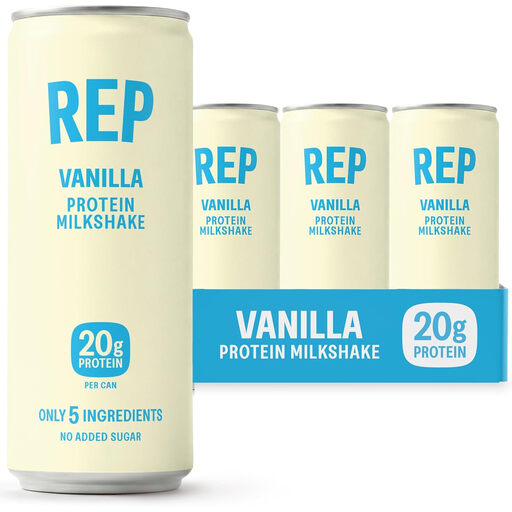
REP Protein Vanilla Flavour Shake, 8 × 250 ml
The vanilla flavour may be worth considering if it appeals to you alongside an easy-to-chew meal. This is a protein shake rather than a complete meal replacement or a dietitian-selected oral nutritional supplement; check the current pack for ingredients and allergens, and follow clinical advice if you need a prescribed drink consistency.
View on Joybuy
 No image available
Applied Nutrition Strawberries & Cream Shake, 8 × 330 ml
Choose by whether strawberries and cream is a flavour you find comfortable, not by assuming it will taste mild. This protein shake is not a complete meal replacement; check the current ingredients and allergens, and follow clinical advice if your drinks must have a prescribed consistency.
View on Joybuy
 No image available
Applied Nutrition Vanilla Ice Cream Shake, 8 × 500 ml
The 500 ml bottle is a different serving size from the smaller shake options, so compare nutrition using the same basis on each current label. Its vanilla ice cream flavour is a personal taste choice; the protein shake is not a complete meal replacement, and a prescribed fluid consistency needs clinical guidance.
View on Joybuy
 No image available
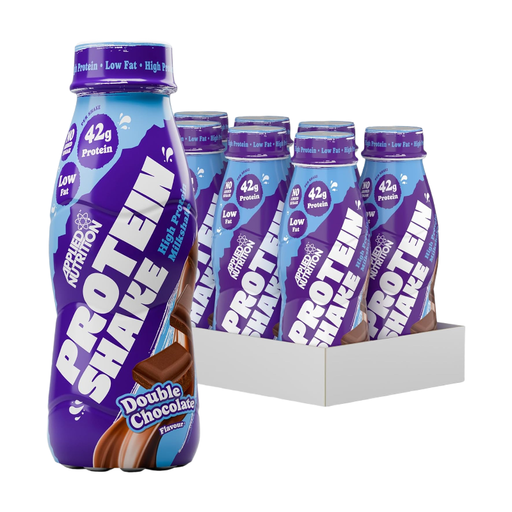
Applied Nutrition Double Chocolate Shake, 8 × 500 ml
Consider the double-chocolate variant only if that flavour suits your preference; its name does not indicate how mild it will taste to you. Check the current pack’s nutrition, ingredients and allergens. This protein shake is not a complete meal replacement, and a prescribed fluid consistency needs clinical guidance.
View on Joybuy
Frequently asked questions
Does an easy-to-chew meal mean any milkshake is suitable to drink?
No. IDDSI classifies easy-to-chew food separately from drinks, which have their own consistency levels. If you have swallowing difficulties or have been told to thicken fluids, follow your clinician’s specified drink consistency and instructions for checking drinks under the conditions in which they will be served.
Can an ordinary milkshake replace a meal?
Do not assume it can replace an easy-to-chew meal or a nutritional supplement. Frimley Health NHS Foundation Trust suggests a milky drink when a meal cannot be managed, while cautioning that drinks at or just before meals may reduce food intake. For ongoing poor intake or weight loss, ask a dietitian what type of drink fits your needs.
Does “no added sugar” mean there are no sugars in the drink?
No. Tesco and Asda list 6.5 g sugars per 100 ml for the Mars no-added-sugar milk drink, which contains naturally occurring sugars. Check both the sugars figure and the ingredient list on the current pack.
How should I store a milkshake after opening it?
Follow the instructions on that bottle. Asda’s listing for Mars Chocolate Milk Shake Drink 400 ml says to refrigerate it after opening and consume it within three days; do not apply that instruction to a different product without checking its pack.
Which allergens should I check on a milkshake label?
Check the current product’s full ingredient and allergen information, not just its flavour name. UK government guidance requires food businesses to provide allergen information, and milk is among the allergens it identifies; Asda’s Mars milk drink listing also declares barley. Ingredients can differ between drinks and variants.


