Parents choosing an occasional holiday snack
A ready-to-drink carton can be convenient at home, but its sugars and serving size matter alongside the fat figure.


For an occasional school-holiday snack, compare fat and sugars per 100ml, then check how much the child would drink. Tesco Groceries lists Yazoo No Added Sugar Chocolate at 1.4g fat and 4.7g sugars per 100ml; Sainsbury’s lists its Chocolate Milkshake at slightly less fat, 1.2g, but more sugars, 8.9g, on the same basis. Neither figure settles the choice without considering the serving size and the child’s needs.
The useful comparison changes with the size of the snack, how it will be served and whether milk is suitable for the child.
A ready-to-drink carton can be convenient at home, but its sugars and serving size matter alongside the fat figure.
The nutrition panel helps distinguish a no-added-sugar claim from the amount of sugars actually listed for a serving.
A 1-litre bottle can provide several servings. Compare drinks per 100ml, then decide how much to pour for one snack.
Start with the nutrition panel on a common per-100ml basis, then check the serving, milk declaration and storage instructions against your plans.
| Priority | What to check | Your needs |
|---|---|---|
| Fat and sugars | Read both figures per 100ml before comparing packs. Tesco Groceries lists Yazoo No Added Sugar Chocolate at 1.4g fat and 4.7g sugars; Sainsbury’s lists its Chocolate Milkshake at 1.2g fat and 8.9g sugars. | I want to compare sugars as well as fat, rather than choosing whichever carton has the smaller fat figure. |
| Serving size | Check the bottle or carton volume and the nutrition per serving. Tesco Groceries lists Yazoo No Added Sugar Chocolate in 200ml cartons and FRijj Chocolate Fudge Brownie in a 471ml bottle; Sainsbury’s Chocolate Milkshake comes in a 1-litre bottle. | For one snack, I may prefer a measured serving to treating a large bottle as one portion. |
| Milk ingredients | Read the current pack’s allergen declaration. Tesco Groceries identifies milk in the Yazoo No Added Sugar Chocolate and FRijj Chocolate Fudge Brownie products. | If a child has a milk allergy, I need to check the ingredients before serving the drink. |
| Storage | Follow the particular pack’s chilling and after-opening instructions. Tesco Groceries says to refrigerate opened Yazoo No Added Sugar Chocolate and use it within three days; its FRijj listing says to keep the drink refrigerated and use it within three days of opening. | On an outing, I need a pack whose storage instructions I can follow throughout the day. |
The smaller fat figure need not come with fewer sugars. Per 100ml, Sainsbury’s Chocolate Milkshake lists 1.2g fat and 8.9g sugars, while Tesco Groceries lists Yazoo No Added Sugar Chocolate at 1.4g fat and 4.7g sugars.
Compare both lines per 100ml, then check the amount you intend to serve.
Tesco Groceries lists 4.7g sugars per 100ml, or 9.4g per 200ml carton, for Yazoo No Added Sugar Chocolate.
Check the “of which sugars” line even when the front of the pack says “no added sugar”.
The 471ml FRijj Chocolate Fudge Brownie bottle listed by Tesco Groceries holds more than twice the volume of a 200ml carton. Its per-100ml figures do not describe the amount in the whole bottle.
Decide on a serving before pouring from a larger bottle.
A lactose-reduced description does not remove a milk allergen: Tesco Groceries identifies milk in Yazoo No Added Sugar Chocolate.
For someone with a milk allergy, follow the current pack’s allergen declaration rather than the lactose wording.
These figures describe the named products and pack formats, not every drink made by each brand.
The Chocolate drinks listed by Tesco Groceries include a No Added Sugar 200ml carton and a standard 1-litre bottle.
Sainsbury’s Chocolate Milkshake is a 1-litre drink described in its listing as made with British 1% fat milk.
The Chocolate Fudge Brownie variant listed by Tesco Groceries comes in a 471ml bottle.
A BritishGram listing describes a 350ml Mars Chocolate Milk Shake Drink made with milk and carrying a no-added-sugar claim.
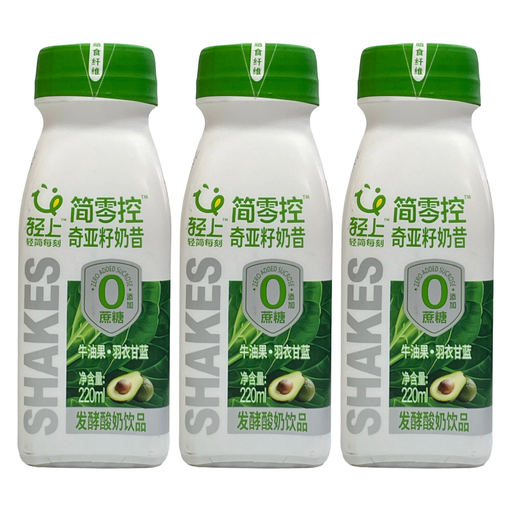
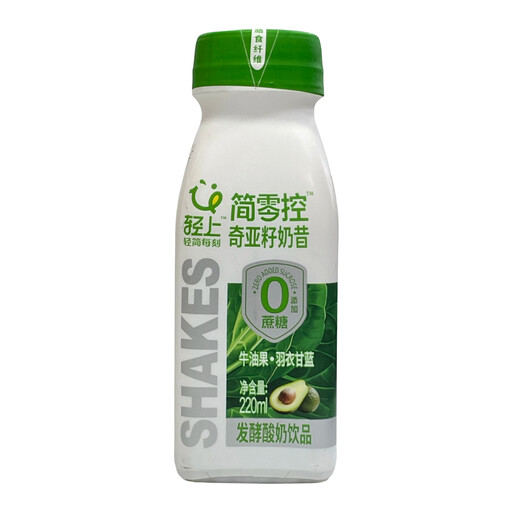
These are ready-to-drink LIGHT UP yoghurt milkshake options in 220ml bottles, rather than the chocolate flavoured-milk products compared above. Check their current labels before choosing one as a child’s snack.
 No image available
The three-bottle pack offers individual 220ml drinks for separate snacks. The listing’s no-added-sugar claim conflicts with sugar listed in the fruit preparation, so check the current pack’s ingredients and nutrition panel rather than relying on that claim. It contains milk; check the label for any age-related guidance and follow its storage and after-opening instructions.
 No image available
This 220ml bottle is a single-drink format. The listing’s no-added-sugar claim conflicts with sugar listed in the fruit preparation, so check the current pack’s ingredients and nutrition panel before comparing it with other drinks. It contains milk; check the label for any age-related guidance and follow its storage and after-opening instructions.
No. Sainsbury’s lists 1.2g fat and 8.9g sugars per 100ml for its Chocolate Milkshake, while Tesco Groceries lists 1.4g fat and 4.7g sugars per 100ml for Yazoo No Added Sugar Chocolate. Compare both figures on the same per-100ml basis and check the serving size.
Not necessarily. Tesco Groceries lists 4.7g sugars per 100ml and 9.4g per 200ml carton for Yazoo No Added Sugar Chocolate. Read the current nutrition panel rather than treating the front-of-pack wording as a sugars figure.
For young children, NHS guidance identifies water and pasteurised milk as the usual drink choices and links sugary drinks with tooth-decay risk. A flavoured milkshake is better considered as an occasional snack than as a replacement for water throughout the day.
Check the current pack’s allergen declaration and do not assume that “lactose reduced” means milk-free. Tesco Groceries identifies milk in Yazoo No Added Sugar Chocolate and FRijj Chocolate Fudge Brownie.
Check the individual school’s policy on packed drinks and the product’s storage instructions. GOV.UK’s school-food guidance concerns food and drink provided in state-funded schools in England; its scope does not establish permission for a particular drink brought from home.