For an older adult who can swallow ordinary drinks safely, a milkshake can be considered as a drink between meals, but compare its portion size, protein, energy, sugars and ingredients rather than treating it as prescribed nutrition. If extra nourishment is needed, ask a clinician or dietitian what kind of drink is appropriate; if swallowing is difficult, a milkshake described as thick or smooth must not be assumed to meet a prescribed fluid thickness.
Who is this choice for?
The first distinction is whether the person wants a familiar drink between meals or needs help with a specific nutrition or swallowing concern.
Older adults with a small appetite and normal swallowing
A ready-to-drink milkshake may be convenient between meals. Check what the person will actually drink, along with the labelled protein, energy, sugars and ingredients. Milton Keynes University Hospital NHS Foundation Trust advises using nourishing drinks between meals, not instead of them.
Carers looking for a less-sweet choice
Compare total sugars per 100ml and the amount in the bottle, then read the ingredients. The sugars figure does not establish how sweet a drink will taste, and a no-added-sugar claim does not mean sugar-free.
Older adults needing extra nourishment
Low appetite or unplanned weight loss calls for more than choosing a familiar flavour. Compare energy and protein per portion, and ask a GP or dietitian whether a fortified drink or another approach fits the person’s needs.
What matters when choosing?
Start with swallowing and dietary suitability, then compare nutrition on the same label basis. Here, “mild” might mean a preferred flavour or a prescribed mildly thick fluid; those are different requirements.
| Priority |
What to check |
Your needs |
| Energy and protein |
Read energy and protein per serving, as well as the serving volume. Consider whether the drink will be taken between meals rather than replacing one. |
With a small appetite, I want to know what the amount I can comfortably drink contributes. Milton Keynes University Hospital NHS Foundation Trust advises taking nourishing drinks between meals, not in place of meals. |
| Sweetness and sugars |
Compare total sugars per 100ml, then check the bottle size and ingredients. The NHS distinguishes naturally occurring milk sugars from free sugars; the label’s total includes both. |
I would prefer a flavour that tastes less sweet, but the sugars figure alone cannot tell me how it will taste. If avoiding particular sweeteners matters, I need to check the ingredients too. |
| Swallowing |
Follow the fluid thickness specified by the person’s swallowing assessment. The Hillingdon Hospitals NHS Foundation Trust notes that some milkshakes may be mildly thick, but appearance or texture wording cannot establish that a particular drink meets the required level. |
If ordinary drinks cause coughing or spluttering, I need advice on a suitable drink rather than choosing one because it looks thick. |
| Ingredients and portion |
Check the physical pack for allergens, serving size and storage instructions. For a prescribed diet or nutritional supplement, follow the relevant professional advice before changing drinks. |
A smaller serving may be easier to finish. Milk ingredients or other allergens could also rule out an otherwise appealing option. |
Mistakes to avoid
-
Treating a supermarket milkshake as prescribed nutrition
An ordinary flavoured drink should not be assumed to meet an individual’s need for extra nourishment. Milton Keynes University Hospital NHS Foundation Trust advises taking nourishing drinks between meals rather than replacing meals.
If appetite is persistently low or weight loss is unplanned, ask a GP or dietitian what nutritional support is appropriate. Compare energy and protein for the portion the person is likely to drink.
-
Taking “thick” or “smooth” to mean swallowing-safe
A texture description does not confirm that a drink meets a prescribed IDDSI fluid level. The Hillingdon Hospitals NHS Foundation Trust says some milkshakes may already be mildly thick, not that every milkshake is.
Follow the person’s swallowing assessment and preparation instructions. Do not add thickener to a nutritional supplement without advice from the relevant clinician.
-
Reading “no added sugar” as “no sugars”
The NHS explains that milk contains naturally occurring sugars. A no-added-sugar claim therefore does not make a milk-based drink sugar-free.
Check total sugars per 100ml and for the amount likely to be consumed, then read the ingredients if sweeteners matter to the person.
-
Using an online listing instead of the pack
Ingredients and nutrition information can change, which matters especially when an allergen or prescribed diet affects the choice.
Read the physical label before serving, including the allergen statement, nutrition panel and storage instructions.
Brand and product-line references
These labelled chocolate examples show why it helps to compare like-for-like values. They are not a taste test or a guide to swallowing suitability.
Yazoo
Yazoo Chocolate Milk Drink is a 400ml dairy drink.
- Tesco Groceries lists 3.2g protein and 8.6g total sugars per 100ml for this chocolate product.
- Yazoo lists milk and added sugar in its chocolate drink’s ingredients. Check the pack if either affects the choice.
Müller FRijj
Müller identifies its Chocolate Flavour milkshake as a 330ml UHT drink.
- ASDA Groceries lists 3.7g protein and 11.4g total sugars per 100ml for the 330ml chocolate product.
- A smooth-texture description does not establish whether this drink meets a prescribed swallowing-fluid level.
Mars
The Mars Chocolate Milk Shake Drink listed by ASDA Groceries is a 400ml no-added-sugar variant.
- Its product information says it contains naturally occurring sugars, a useful distinction when reading the no-added-sugar claim.
- Check the full nutrition panel and ingredients on the pack; no added sugar does not mean sugar-free or suitable for every prescribed diet.
Joybuy shake options
These are ready-to-drink protein shakes to consider when comparing portion sizes and flavours for a drink between meals. They are not substitutes for prescribed nutritional support, and their names do not establish either a mild taste or a suitable thickness for someone with swallowing difficulties.
 No image available
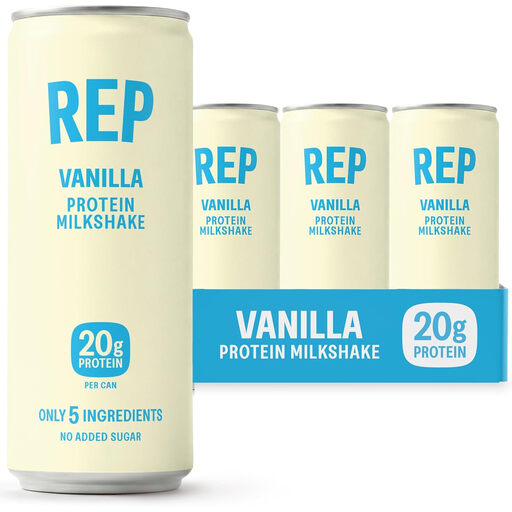
REP Vanilla Flavour Protein Shakes, 8 × 250ml
The 250ml unit is worth considering when a smaller drink is preferred. Check the pack’s energy, protein, sugars and milk-allergen information before serving; do not assume its thickness meets a prescribed fluid level.
View on Joybuy
 No image available
Applied Nutrition Strawberries & Cream Protein Nutrition Shake, 8 × 330ml
This strawberries-and-cream option comes in 330ml units, so consider how much the person would drink in one sitting. Read the pack for nutrition, sweeteners and milk-allergen information, and follow swallowing advice where applicable.
View on Joybuy
 No image available
Applied Nutrition Vanilla Ice Cream Protein Nutrition Shake, 8 × 500ml
At 500ml per unit, this vanilla-ice-cream variant calls for a portion-size check if appetite is small; the full bottle need not be treated as the intended amount for every person. Check the physical label for nutrition and milk-allergen information.
View on Joybuy
Common questions
Can a supermarket milkshake replace a meal for an older person with a small appetite?
Do not use it as a routine meal replacement. Milton Keynes University Hospital NHS Foundation Trust advises taking nourishing drinks between meals, not instead of meals. Seek advice from a GP or dietitian if appetite remains low or weight loss is unplanned.
Does “no added sugar” mean a milkshake is sugar-free?
No. The NHS explains that milk contains naturally occurring sugars, and the Mars no-added-sugar drink listed by ASDA Groceries states that it contains naturally occurring sugars. Compare the total-sugars figure and read the ingredients.
Is a thick or creamy milkshake suitable for someone with swallowing difficulties?
Not on the strength of that description. The Hillingdon Hospitals NHS Foundation Trust says some milkshakes may be mildly thick, but the particular drink must meet the fluid level recommended in the person’s swallowing assessment.
Can I add thickener to a prescribed nutritional supplement?
Do not change it without professional advice. The Hillingdon Hospitals NHS Foundation Trust advises against adding thickener to nutritional supplements; ask the person’s speech and language therapist or dietitian how the prescribed drink should be prepared.
What should I read on the milkshake pack?
Check the allergen statement, ingredients, energy, protein, total sugars, serving size and storage instructions on the physical pack. This matters particularly when the person has a milk allergy, avoids certain sweeteners or follows individual dietary advice.


