Runners who prioritise organic dairy
An organic claim matters to you, but you also want to check the drink’s ingredients, portion size and nutrition panel before deciding when it fits around a run.


Choose an organic dairy base if certified organic production matters to you; the organic label alone does not establish how a shake fits your 5K. If convenience matters more, compare ready-to-drink options by the amount you will actually drink, including carbohydrate, protein, sugars and allergens. UK Sports Institute guidance places recovery snacks in the context of training load and an overall balanced diet, rather than treating a shake as necessary after every run.
An organic claim matters to you, but you also want to check the drink’s ingredients, portion size and nutrition panel before deciding when it fits around a run.
A ready-to-drink option may be useful after a demanding session. Compare the whole bottle with its stated serving size rather than assuming that every 5K calls for a recovery drink.
Organic and no-added-sugar claims do not mean dairy-free. Check the current pack for milk and any other declared allergens in the exact flavour you choose.
For an organic homemade shake, establish the ingredients’ organic credentials before comparing the finished portion. For a ready-to-drink option, start with the bottle’s label and the amount you expect to drink.
| Priority | What to check | Your needs |
|---|---|---|
| Organic status | Check the organic claim and certification information. Defra’s UK guidance says an organic food-product claim requires at least 95% organic agricultural ingredients and certification of the product and suppliers by an approved organic control body. | I care about certified organic production, so I want more than a natural-sounding product name or a single organic ingredient. |
| Amount consumed | Compare carbohydrate, protein and sugars on the same volume basis. Check servings per bottle: ASDA Groceries lists two 200 ml servings in the Yazoo 400 ml bottle, and Tesco Groceries lists two 200 ml servings for the Mars 400 ml drink. | If I drink the whole bottle, I want to use the whole-bottle figures rather than mistake one serving for the entire drink. |
| Training context | Consider how demanding the session was and when you will next eat. UK Sports Institute guidance discusses recovery needs in relation to exercise load and supports a varied, balanced diet. | After an easy 5K, I may prefer my usual food; after a harder session, I may want a convenient snack before my next meal. |
| Allergens | Read the current pack for the exact variant. The researched Yazoo and FRijj drinks declare milk; the Mars drink declares milk and barley. | I need to know whether this particular drink contains an ingredient I must avoid, regardless of its organic or sugar wording. |
| Preparation | Decide whether you can prepare and refrigerate a homemade shake or would rather carry a ready-to-drink bottle. Check the pack’s storage instructions. | On a day when I cannot make a shake, a bottled option may be more practical, provided its label suits what I plan to drink. |
Organic certification addresses production and labelling conditions, not the carbohydrate or protein in the portion you drink.
Decide whether organic production matters to you, then read the nutrition panel and serving size separately.
ASDA Groceries and Tesco Groceries each list two 200 ml servings for the researched 400 ml Yazoo and Mars drinks respectively. Drinking either whole bottle means consuming twice its stated per-serving figures.
Compare per 100 ml and per-serving values, then calculate the figures for the amount you intend to drink.
Tesco Groceries lists 6.5 g sugars per 100 ml for Mars Chocolate Flavoured Milk Drink No Added Sugar and says it contains naturally occurring sugars. That wording also says nothing about organic certification.
Read the nutrition table and ingredients list alongside the front-of-pack claim.
Ingredients, nutrition and allergen information can change, so a listing may not describe the pack in your hand.
Check the current label, date marking and storage instructions when buying.
These brands illustrate organic dairy ingredients and conventional bottled drinks; a brand reference does not establish that a particular shake is organic or available from Joybuy.
A reference for shoppers considering organic dairy ingredients in a homemade shake.
A conventional bottled chocolate milk drink to compare by serving size.
A conventional chilled milkshake reference when comparing nutrition by volume.
A conventional flavoured milk drink showing why a no-added-sugar claim needs a closer label check.
This bottled shake is an option to assess when convenience after a run matters more than choosing a certified-organic dairy base. Check its current pack if organic production is essential to your choice.
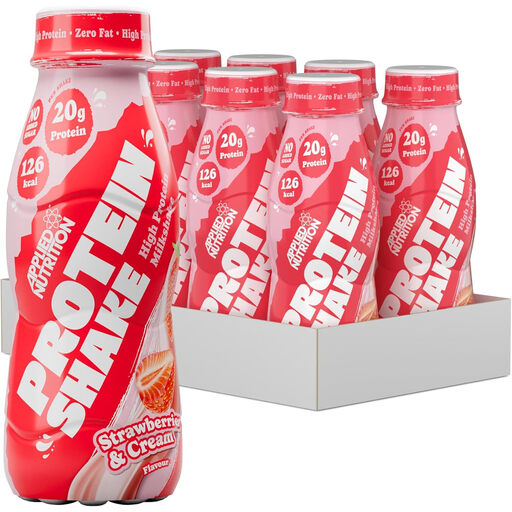 No image available
For a convenient drink after a run, compare the nutrition panel for the 330 ml bottle with the amount you plan to consume; a recovery shake is not necessary after every 5K. Check the current pack for ingredients and allergens, and for organic certification if that is a requirement.
No. Organic certification addresses production and labelling, not a particular carbohydrate, protein or running outcome. Compare the portion, nutrition panel and ingredients for the drink you are considering.
Look for the product’s organic claim and certification information. Defra’s UK organic food guidance says an organic food-product claim requires at least 95% of its agricultural ingredients to be organic, alongside applicable production rules and certification of the product and suppliers by an approved organic control body.
No. UK Sports Institute guidance emphasises a varied, balanced diet and discusses recovery in relation to training demands. Consider how hard the session was and when you will next eat before choosing a separate snack.
You can consider one, but an organic claim or a bottle’s branding does not establish the right portion or timing for you. Check the amount, ingredients and your usual tolerance of dairy close to running rather than trying an unfamiliar drink immediately before a run.
No. Organic status does not mean milk-free. The researched Yazoo, FRijj and Mars drinks declare milk, while the Mars drink also declares barley; check the current allergen label on the exact product before choosing it.